Blue Planet III review – David Attenborough makes another absolute corker
It’s funny, tense, stunningly forceful – the excellence of this franchise’s return is a bright flash of hopeful defiance We settle down in front of a fresh Blue Planet, trying to escape a weary sadness that stalks us from several angles. It is a new natural history show narrated by the 100-year-old David Attenborough, so there cannot be many more of those to enjoy. It is a Sunday-night showcase on BBC One, which is…
Key points
- Blue Planet III returns on BBC One with David Attenborough, 100, narrating.
- Episode one reveals dolphins using sea sponges in Shark Bay, Western Australia.
- The series shows climate damage to coral reefs and Attenborough's plea for action.
Blue Planet III has premiered on BBC One, narrated by David Attenborough, who is 100 years old. The new natural history series follows the original Blue Planet in 2001 and Blue Planet II in 2017.
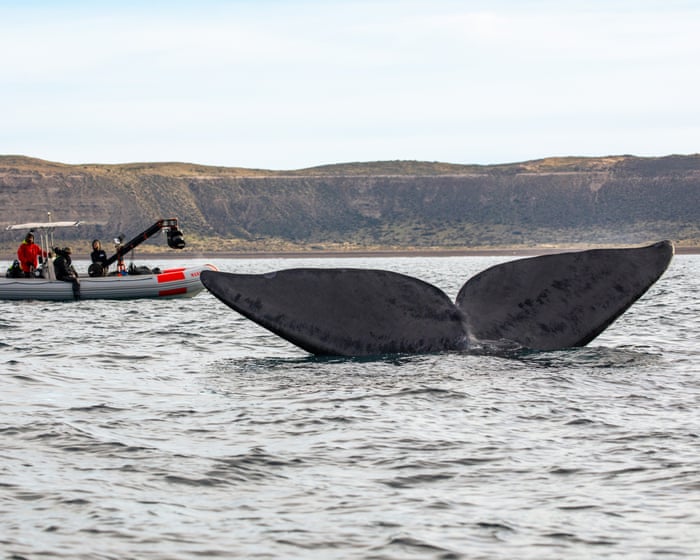
The first episode features a discovery in Shark Bay, Western Australia, where the team solved the mystery of why dolphins carry sea sponges in their mouths. A making-of featurette shows the remote cameras and careful approach needed, including the risk of a cameraman being eaten by a tiger shark.
New animal behaviors filmed
In northern Australia, tawny sharks are shown hunting in packs and using a team deception: they pretend to be asleep to avoid spooking herring, then drive the fish shorewards to trap and eat them.
In Brazil, a tense chase between a shark and a turtle is captured with drone footage and a camera fixed to the turtle's back. The turtle escapes by fleeing to the shallows and making a sharp turn that leaves the shark's teeth glancing off its shell.
These tiny fish helped to protect their home. Imagine what we could achieve if we all worked together to protect ours.
— David Attenborough
Comic relief and climate warning
The episode includes lighter moments, such as a pair of harlequin shrimp in Indonesia tumbling around as they try to snack on a starfish, and a fiddler crab in Brazilian mangroves waving his one big claw at females before being eaten by a scarlet ibis.
A serious segment shows a clownfish caring for an anemone that is being killed by a heatwave. A before-and-after edit reveals coral reef colors turning to dead blackish brown, and Attenborough repeats his plea for action.