Israelis living abroad spend thousands to fly in to vote in crucial election
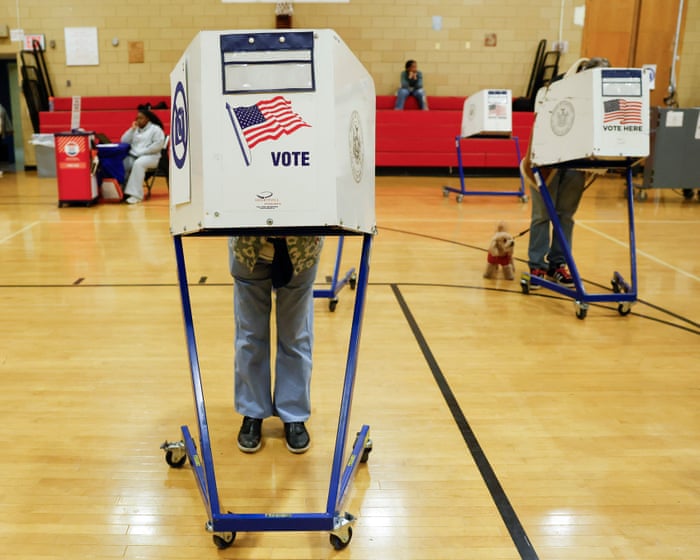
Tens of thousands of Israelis living abroad have flown in just to cast their ballots in an election many voters see as a referendum on Benjamin Netanyahu.

Key points
- Tens of thousands of Israelis living abroad flew into Israel to vote in Tuesday's election, with one U.S.-based nonprofit estimating as many as 67,000 arrivals.
- Ronnie Teram Gil-Ad paid about $3,000 to return from Boston for a 36-hour stay, calling voting her civic duty.
- Many voters view the election as a referendum on Prime Minister Benjamin Netanyahu, and the hard part after polls close is forming a stable governing coalition.
Tens of thousands of Israelis living abroad have flown into Israel to cast ballots in Tuesday's election, according to CBS News. The U.S.-based nonprofit AID Coalition estimates that as many as 67,000 Israeli citizens have arrived from abroad to vote, based on surveys of expatriates and registration data gathered for its Fly&Vote initiative.
About half of those arriving came from the United States, with others traveling from Europe, Canada, Australia and New Zealand, the organization said. Turnout is expected to be significant, with predictions that up to 70 percent of Israel's roughly 7.3 million registered voters will cast ballots.
Voters describe long journeys
Ronnie Teram Gil-Ad left Israel for the U.S. with her family a year ago and paid about $3,000 to come back to vote. She will have been in the country for just 36 hours before flying back to Boston on Tuesday night. "This is my civic duty," she said.
Yael Natra told The Associated Press she spent thousands of dollars to travel from Toronto to Tel Aviv to cast a ballot. It was the first time in the two decades since she left Israel for Canada that she felt she needed to vote in her home country's elections. "The Israel that I grew up in is disappearing," she said, citing an eroding democracy and a deeply divided society.
It is my country. The fact that I'm living abroad doesn't mean that this is not my home here.
— Ronnie Teram Gil-Ad
Netanyahu and the coalition question
Offir Gutelzon helped organize flights through UnXeptable, which he co-founded. He said the goal is to unseat Prime Minister Benjamin Netanyahu, who has dominated Israeli politics for 30 years. Many voters described the election, the first national election since the deadly Hamas attack and the start of the war in Gaza three years ago, as a referendum on Netanyahu.
The opposition bloc, which polls suggest will likely hold a plurality of votes, is led by Gadi Eisenkot, a former military chief of staff who left Netanyahu's government in 2024 and accused him of unnecessarily prolonging the war in Gaza and delaying a hostage deal with Hamas. Analyst Dahlia Scheindlin told the AP that the expat mobilization is notable compared with past elections, though it is unclear how those flying in will vote, and she noted some are coming in to support the pro-Netanyahu side. After the polls close, the difficult task of forming a stable governing coalition begins.