‘Last local militant’: India declares victory but Kashmir’s rebels adapt
Analysts say that shifting tactics, names and geography challenge claims of win against Kashmir's separatist movement.
Key points
- India's home minister said Mohammad Lateef Bhat was the last local armed fighter in Kashmir.
- Analysts say the conflict has changed form rather than ended.
- Violence has shifted toward Jammu's forests, where at least 33 people have been killed since 2021.
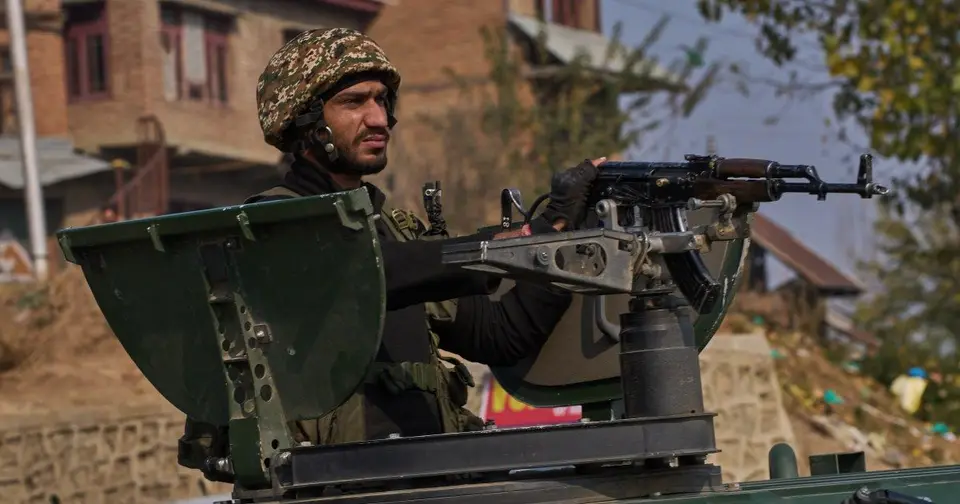
Indian security forces killed Mohammad Lateef Bhat, described as a commander of the Pakistan-based group Lashkar-e-Taiba, in a gunfight at a mosque in Zangalpora village in Kulgam district on November 18, after a seven-day search. Bhat was accused of shooting at Central Reserve Police Force soldiers a week earlier with another fighter, injuring three soldiers. His associate was also killed in the following days.
Home Minister Amit Shah told a public gathering that Bhat had been the last local armed fighter before his death, saying "No Kashmiri youth is currently involved in terrorist activities in the valley." Jammu and Kashmir police said it was the first time since the armed rebellion began in 1989 that LeT had no local fighters.
Analysts dispute the claim
Analysts and former security officials say the conflict has not ended but changed form. They point to armed groups operating under new names, operatives outside official militant lists, growing reliance on foreign fighters, encrypted communications and a shift of violence toward the forests of Jammu in the south.
Israr Khan, a former deputy inspector general of Jammu and Kashmir police, called Bhat's killing a significant victory and a major setback for LeT, but said fighters can stay active without appearing in police records. "He certainly is not the last militant," Khan told Al Jazeera, referring to so-called hybrid militants. Noor Ahmad Baba, a political scientist, said similar claims were made after 2019, adding that "an analysis of the ground realities presents a different picture."
No Kashmiri youth is currently involved in terrorist activities in the valley.
— Amit Shah
Violence shifts to Jammu
In Jammu, armed violence has resurfaced after years of relative calm. Since 2021, at least 33 people have been killed, including 10 civilians, a resurgence experts attribute to tougher security in the Kashmir valley and the redeployment of some troops toward the border with China in Ladakh.
Analyst Rashid Rahi said dense forests in Jammu make it hard for security forces to reach every area, and that infiltration is possible there, unlike Kashmir's snowbound hills. Security officials say fighters increasingly use encrypted satellite phones, reducing reliance on local contacts.