An open book: how to make a great film adaptation, from The Shining to Trainspotting
Not every great novel makes a great movie, and sometimes the opposite is true. But regardless of the source text, or how beloved characters are treated, there is more than one way to write a successful adaptation It is always fun to join in a craze, like a Victorian going mad for penny farthings. Which is probably why, against my better judgment, I went to see Christopher Nolan’s blockbuster The Odyssey this summer…
Key points
- Louise Willder's new book The Book Was Better examines what makes film adaptations succeed or fail.
- She argues source quality is irrelevant and unfaithfulness often helps adaptations.
- Examples range from The Shining and Trainspotting to Children of Men and The Odyssey.
Louise Willder has written a book about film adaptations, The Book Was Better, drawing on her research into both failures and successes. She watched poor adaptations including a Heathcliff musical, a 1996 version of The Island of Dr Moreau and a three-part take on Ayn Rand's Atlas Shrugged, alongside masterpieces that matched or surpassed their sources.
Willder writes that the quality of the source material does not determine the quality of the adaptation. She notes that workmanlike novels such as Jaws, The Godfather and The Exorcist were raised to genius on screen, while great books including Trainspotting, The Go-Between, The Leopard and A Clockwork Orange also made great films.
What makes books adaptable
Willder says some books lend themselves more readily to the screen. Jane Austen's plots of impeded love work as templates for any era, as in Clueless, and short stories with twisty shocks seem made for cinema, citing Don't Look Now, based on a Daphne du Maurier novella. Myths, folk tales and fairy tales stay adaptable because their gaps let film-makers fill them with their own imaginations.
put down the text, and dream it
— Hilary Mantel
Why unfaithfulness helps
Willder argues that being unfaithful to a source is usually helpful. She quotes Paul Thomas Anderson's advice to steal the parts you need and run, and notes that Hitchcock read The Birds once before making his version. She cites Alfonso Cuarón's 2006 Children of Men, which turned PD James's theological novel into a dystopian thriller, and Sally Potter's Orlando, which treated the book as if it never existed.
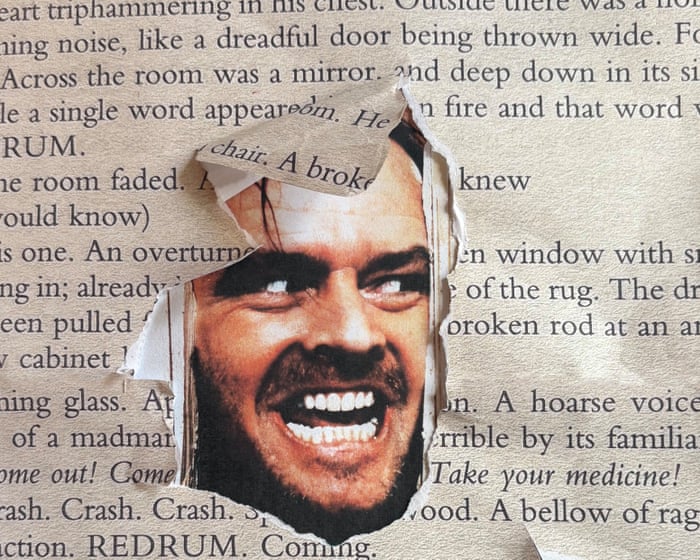
She adds that Stanley Kubrick betrayed Stephen King's vision of The Shining but made a tour de force, while Apocalypse Now came from Heart of Darkness. Too much reverence, she writes, can kill an adaptation. On casting, she notes Hollywood often chooses better-looking actors than necessary, though some wrong-on-paper choices, such as Renée Zellweger as Bridget Jones, work well.
Faithfulness and feeling
Willder questions whether any adaptation can be truly faithful, since no story is wholly original and readers imagine texts differently. She cites Jodie Foster lobbying for the role of Clarice Starling in The Silence of the Lambs because the novel, for her, was about a woman saving another woman. Willder also recalls Christopher Nolan's The Odyssey, which left her feeling as if she had been in a war, and suggests he may have overthought it rather than felt it.