Brian Sullivan: Why the 'real' price of oil is likely $30-$40 higher than where it is now
Physical oil can cost about $38 a barrel more to deliver, as tanker rates surge.
Key points
- Brian Sullivan argues the real price of oil is $30-$40 higher than futures prices because physical shipping costs have surged.
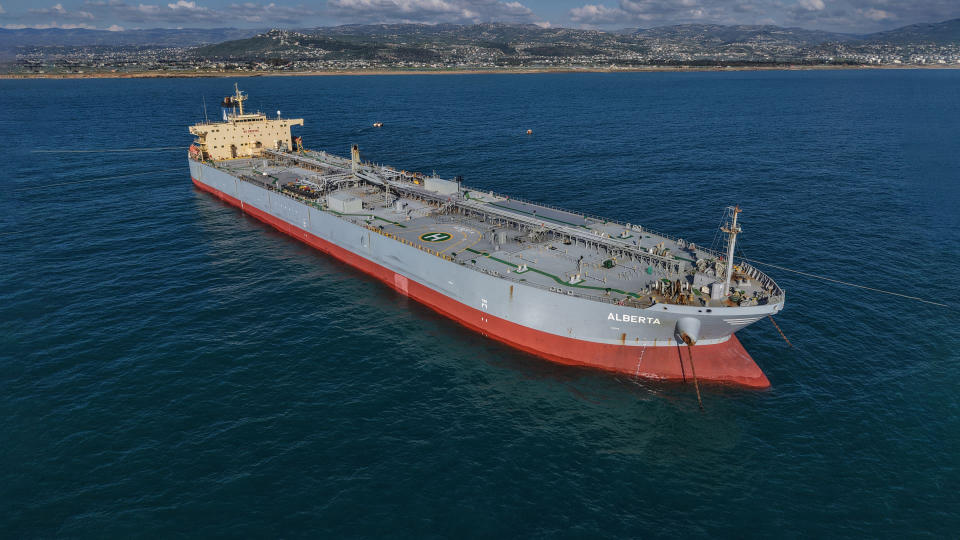
- A VLCC chartered from the U.S. Gulf Coast to China cost $76 million last week, about 10 times more than less than a year ago.
- Attacks on Riyadh airport killed at least 14 people and injured more than 300 as travelers arrived for the World Petroleum Council conference.
CNBC's Brian Sullivan said the real price of oil is $30 to $40 higher than the futures price shown on screens, because buying physical crude is very different from trading paper contracts. He noted that oil futures only indicate a price for today or future months, while actual delivery costs can be far higher.
Sullivan reported that shipping costs have skyrocketed. Last week, a VLCC supertanker was chartered from the U.S. Gulf Coast to China for $76 million, and another very large crude carrier went from the U.S. to South Korea for $77 million. That is 10 times more than the same trip less than one year ago.
Shipping premium adds to oil cost
Assuming these ships carry about 2 million barrels of oil, the charter price means each barrel costs about $38 over the price of the oil itself. Sullivan said any company needing oil shipped by sea, rail or truck will pay a hefty premium over the oil price. While the volume of oil moving through Hormuz is nearing pre-war levels, costs are not, and there is no sign they will go anywhere but up.
Without a sustained resumption of Qatari volumes and with European storage levels below seasonal lows heading into winter, European gas prices continued on an upward trajectory in 3Q26.
— RBC analyst Biraj Borkhataria
Riyadh airport attacks and conference
Sullivan expressed condolences for attacks on the airport in Riyadh, Saudi Arabia. The strikes on civilians, some of whom were religious pilgrims, killed at least 14 people and injured more than 300. The airport was attacked at least three times as travelers and energy industry professionals flew in for the World Petroleum Council conference. Sullivan's scheduled trip was canceled because of the strikes, but the WPC went on as planned.