How debates became high-risk and low-reward in the viral era
Half of the Senate and a third of gubernatorial races will go without a debate between major party candidates in the 2026 cycle.
Key points
- Eighteen of 35 Senate races and 12 of 36 governor races had no major-party debate this cycle.
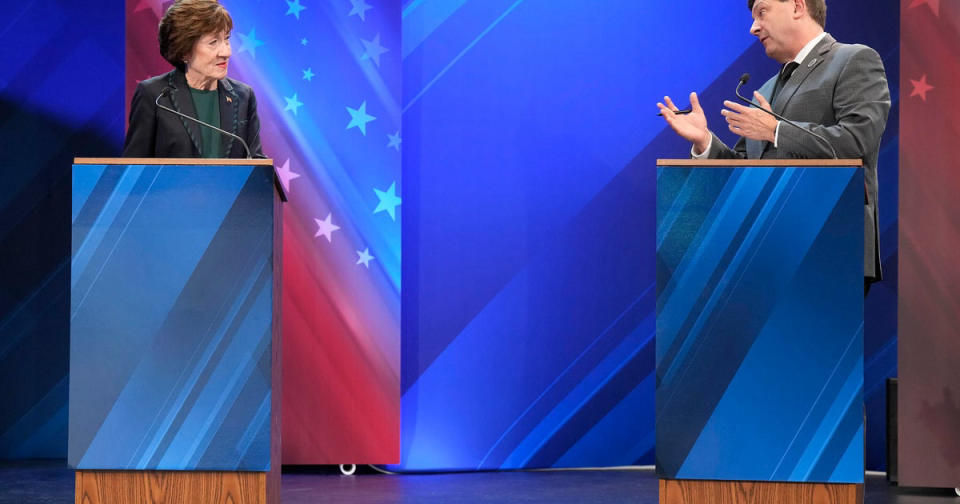
- Troy Jackson told Sen. Susan Collins to "shut up" during the Oct. 15 Maine Senate debate.
- Strategists say debates rarely win races but viral mistakes can lose them.
Debates in the 2026 midterms have become high-risk, low-reward events, with many candidates choosing to skip them and those who take part facing viral moments that can shape close races. In Maine's Senate debate on Oct. 15, Democratic nominee Troy Jackson told five-term incumbent Sen. Susan Collins to "shut up" after she said a protester was "obviously one of Troy's supporters." Jackson declined to apologize, and the clip appeared in GOP attack ads.
Maine is among the close races that will decide Senate control. Democratic strategist and CBS News contributor Chuck Rocha said small moments can cause catastrophes, adding that "You may not win a race during a debate, but you can certainly lose one."
Candidates backing away from debates
This cycle, 18 of 35 Senate races and 12 of the 36 governor races did not feature a debate between the major party candidates. That includes Ohio and Texas, two of the five races CBS News rates as toss-ups. By comparison, the seven toss-ups in 2020, nine in 2018 and seven in 2016 all had debates, according to a Cook Political Report analysis.
In Texas, Democrat James Talarico repeatedly called on Republican Ken Paxton to debate and later hosted a solo CNN town hall. Rocha said a debate could draw attention to Paxton's past scandals. Ohio Democrat Amy Acton said she would not debate Republican Vivek Ramaswamy, and Arizona Gov. Katie Hobbs declined to debate Rep. Andy Biggs.
You may not win a race during a debate, but you can certainly lose one
— Chuck Rocha
Viral moments in other races
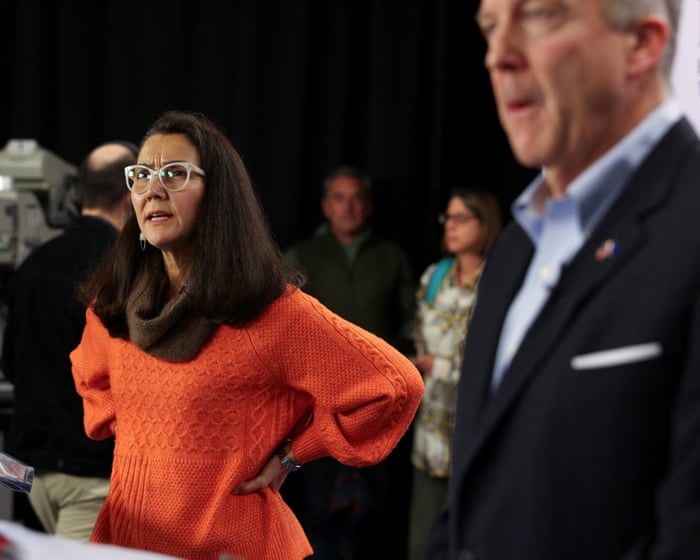
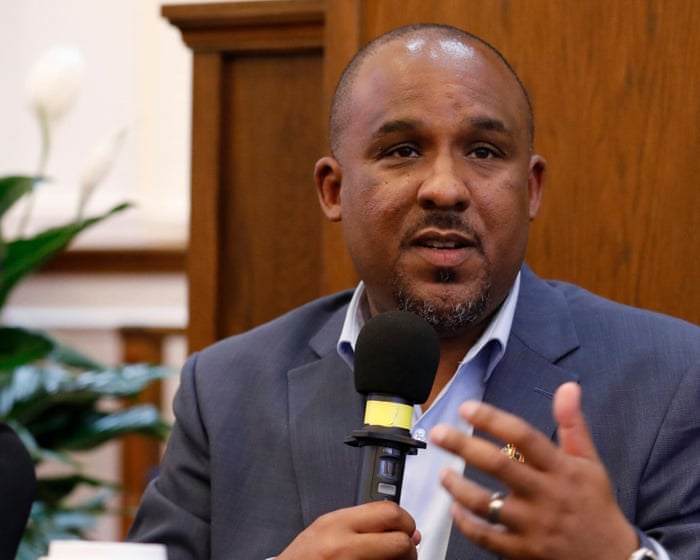
Debates in Michigan and Alaska, both crucial Senate toss-ups, also produced viral exchanges. In Michigan, Democrat Abdul El-Sayed called Mike Rogers a "sock puppet" for the president, and Rogers accused El-Sayed of extremism and raised allegations about his mother. In Alaska, Republican Sen. Dan Sullivan accused Democrat Mary Peltola of "character fraud," prompting the moderator to call for "some decorum."
Republican strategist and CBS News contributor Terry Sullivan said debates are defined by big moments, with 95% of what happens not mattering. Purdue history professor Kathryn Cramer Brownell said the current media climate has "undermined the potential" for debates to broaden a candidate's appeal.