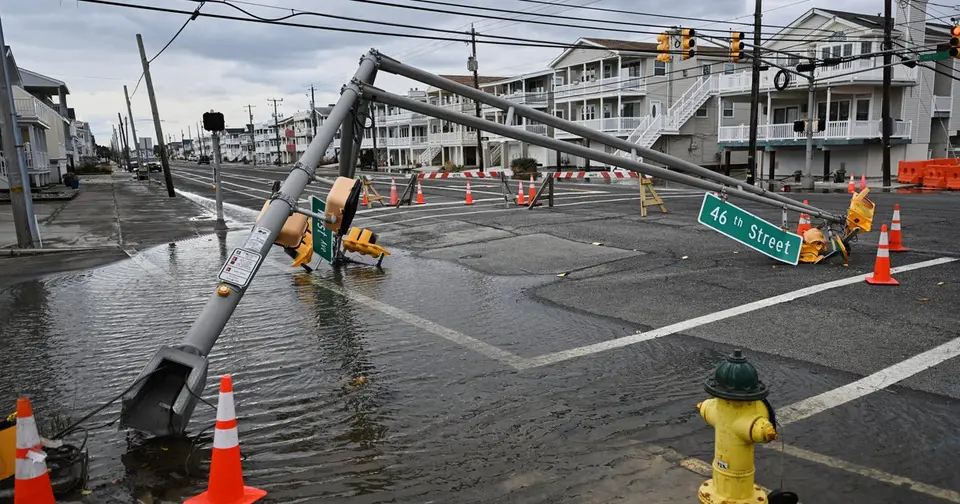
Iowa lead detonation results expected soon, EPA says
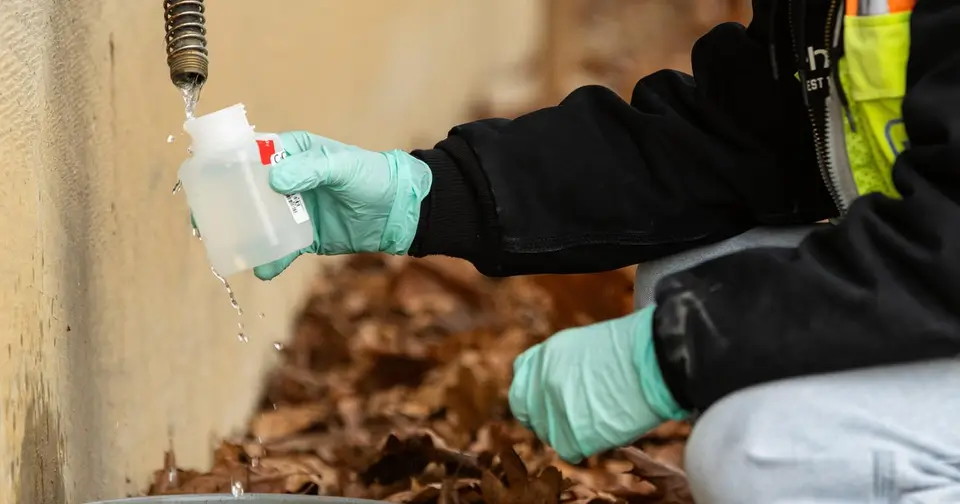
The EPA conducted sampling at more than 130 structures in Iowa, including homes, schools, daycare centers and churches.
Key points
- The EPA expects initial lab results from post-detonation sampling as early as Friday night.
- The Army destroyed 5 tons of deteriorating lead azide at the Iowa Army Ammunition Plant on Wednesday.
- No airborne lead had been detected in the region as of Thursday, the EPA said.
The Environmental Protection Agency said Thursday it expects to start receiving sample results as early as Friday night after the U.S. Army detonated a stockpile of degrading explosives at the Iowa Army Ammunition Plant in Middletown, Iowa. The Army destroyed 5 tons of lead azide on Wednesday, citing the risk of an unplanned explosion.
The EPA collected more than 1,600 air, water, soil and dust samples before the detonation and more than 1,000 afterward, sending them to multiple EPA and private labs. The agency said Friday it had completed 88% of post-detonation sampling at homes that were sampled beforehand and expected to finish the rest that day.
Where samples were taken
The EPA said it collected samples at more than 180 structures, including homes, schools, daycare centers and churches, as well as at parks, nearby farms, drinking water sources and the Mississippi River watershed. As of Thursday, no airborne lead had been detected throughout the region, according to the agency.
The EPA said it is also testing for other compounds that may have been released during the detonation, saying it is testing for everything it anticipated could potentially be released.
exceeded expectations
— President Trump
Legal challenge and White House reaction
Local residents and environmental groups had sought to block the detonation over concerns that a plume of toxic lead dust could threaten public health and agriculture. The 8th Circuit Court of Appeals temporarily halted the detonation last week, then said Monday that the groups had failed to show they were likely to succeed.
The EPA said the lead azide, used in ammunition since World War I, had degraded over the 20 years it was in storage and had undergone a recrystallization process that increased its sensitivity to friction and shock. The lead-up to the detonation reached the White House, prompting questions within the Trump administration about what went wrong, sources told CBS News. President Trump praised the detonation as having "exceeded expectations."