Non-profit group leaks data of more than 40,000 homeland security workers
Information released by Distributed Denial of Secrets is the third such government data disclosure in the last month The leak website Distributed Denial of Secrets said on Wednesday it has released data on more than 40,000 Department of Homeland Security (DHS) employees, including details about officials working in sensitive fields such as surveillance and human intelligence. DHS did not immediately return a…
Key points
- Distributed Denial of Secrets released data on more than 40,000 Department of Homeland Security employees on Wednesday.
- The data includes names, phone numbers, email addresses and job titles of employees in agencies such as ICE, CBP and CISA.
- The leak is the third government data disclosure to make headlines in the past month.
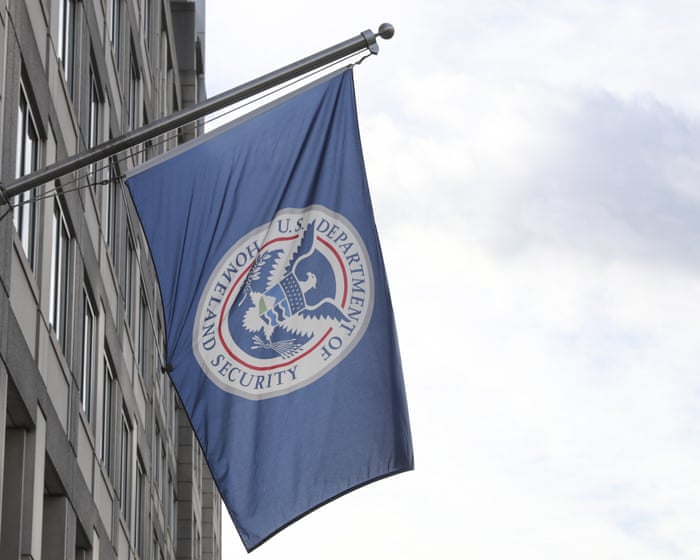
The non-profit group Distributed Denial of Secrets said on Wednesday that it had released data on more than 40,000 Department of Homeland Security employees. The data includes details about officials working in sensitive fields such as surveillance and human intelligence.
The Department of Homeland Security did not immediately return a message seeking comment. The group says the data draws on information obtained by an entity calling itself "Department of Peace".
What the data contains
The DHS data includes names, phone numbers and email addresses of employees from Immigration and Customs Enforcement, Customs and Border Protection, Homeland Security Investigations, the Cybersecurity and Infrastructure Security Agency and other DHS component agencies.
It also includes job titles and email groups, which showed which agents were assigned to special operations, surveillance jobs, computer forensics and undercover work.
have our information, so it’s only fair that we have theirs
— Department of Peace
Third leak in a month
The disclosure is the third government data leak to make headlines in the past month. In September, the hacking group ShinyHunters claimed the theft of a large trove of data from the FBI, including sensitive job details and medical information. Last week, the defense department was hit with a class action lawsuit after a breach exposed data on millions of current and former military personnel.
In a statement, Emma Best, a Distributed Denial of Secrets co-founder, said the hacktivist known as "maia arson crimew" developed a search tool for the data. Best said the tool would "replace anonymity with accountability" and help journalists, public records requests and congressional oversight.