Our Bodies Have Been Bridges review – riveting portraits and the story of the first woman on Earth
Autograph, London The three-person headline show looking at South American feminism is displayed alongside Charan Singh: Your Tongue in My Mouth, an intimate study of Indian trans communities In the 1990s, the late Chicana artist Laura Aguilar was living with depression. A friend took her on a road trip to New Mexico, where Aguilar made some nude self-portraits in the mystical landscapes. Those photographs evolved…
Key points
- Autograph gallery in London hosts Our Bodies Have Been Bridges, a three-person show featuring Laura Aguilar, Koyoltzintli and Tarrah Krajnak.
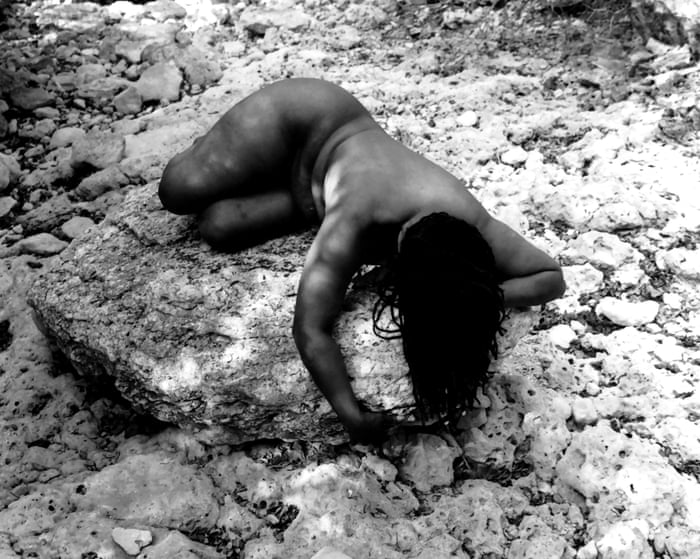
- Aguilar's 1996 Nature Self-Portrait series shows her nude body in desert landscapes across the American south-west.
- Charan Singh's upstairs work addresses desirability and trans rights amid India's 2026 rollback of self-identification protections.
London gallery Autograph has opened Our Bodies Have Been Bridges, a three-person exhibition bringing together work by the late Chicana artist Laura Aguilar, Koyoltzintli and Tarrah Krajnak. The show marks a return for Autograph, which first worked on an Aguilar exhibition in 1997, the year after she made her Nature Self-Portrait series.
Aguilar, who lived with depression in the 1990s, began the series after a friend took her on a road trip to New Mexico, where she made nude self-portraits in the landscape. The photographs were later shot in desert environments across the American south-west and are considered an early work of intersectional feminist art.
Bodies in the desert
Several works from Nature Self-Portrait open the exhibition. Shot in black and white, they show Aguilar's body sometimes merging with boulders and trees, and at other times appearing out of place against the harsh terrain. The images, the article says, capture the paradox of a body that is both hypervisible and ignored.
Bodies like Aguilar's, described as large, queer and Chicana, had little visibility in culture at the time. The photographs are presented as being about rejection but also embrace.
A body wanting to just be a body, to not ache to fit in.
— the article
Koyoltzintli and Krajnak
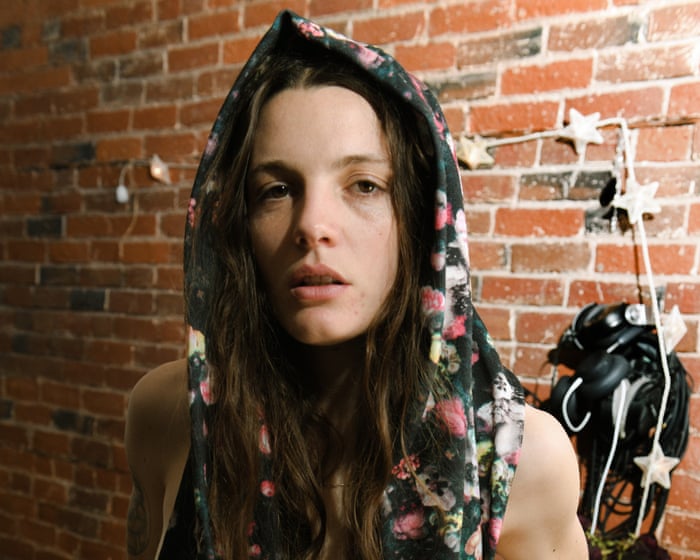
Koyoltzintli's intimate photography documents routines passed down through generations of women, including a picture in which her aunt blesses her bare breasts for protection and another in which her mother braids her hair. In works from the series Meda, she asked women to interact with the land as their ancestors might have, tracing what the article calls an alternative origin story of the first woman on Earth.
Peruvian artist Tarrah Krajnak shows grainy, photocopied archival images focused on 1979, the year military rule ended in Peru and the year of her birth. She takes images from newspapers and magazines of that year and interrupts them with her own image to question their accuracy.
Singh and trans rights
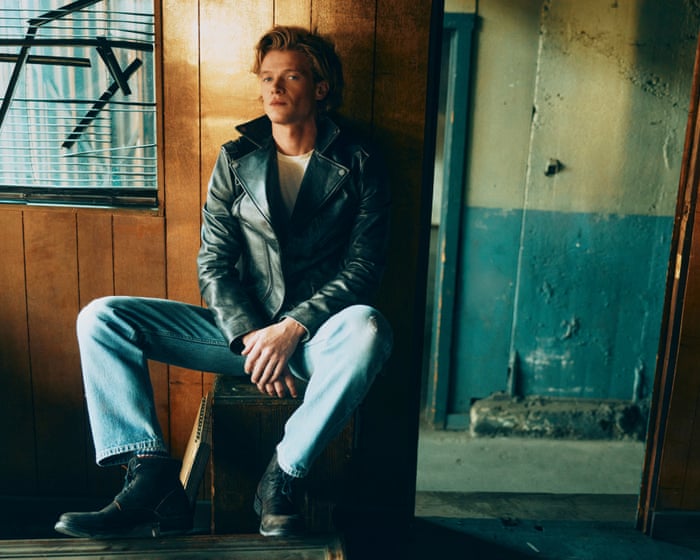
Upstairs, Charan Singh's Your Tongue in My Mouth continues the themes, exploring desirability, sexuality and reciprocity. The article notes the tension between realism and artifice takes on urgency amid India's deteriorating trans rights.
In March 2026, amendments to India's Transgender Persons Act 2019 rolled back protections for gender self-identification. A timeline of transgender history and rights displayed in Singh's exhibition places the portraits within a longer struggle for visibility and legal recognition.