Rubio says war on Iran unpopular but ‘necessary’ to stop nuclear threat
US secretary of state says Iran's negotiation demands are 'outrageous and ridiculous, and really not realistic'.
Key points
- Rubio said Trump launched the war on Iran to stop a nuclear threat, calling it necessary though unpopular.
- Trump said he does not regret the war and that resuming strikes is unlikely if a strong deal is signed.
- Iran's Araghchi said it is time for the White House to decide, repeating a two-day proposal.
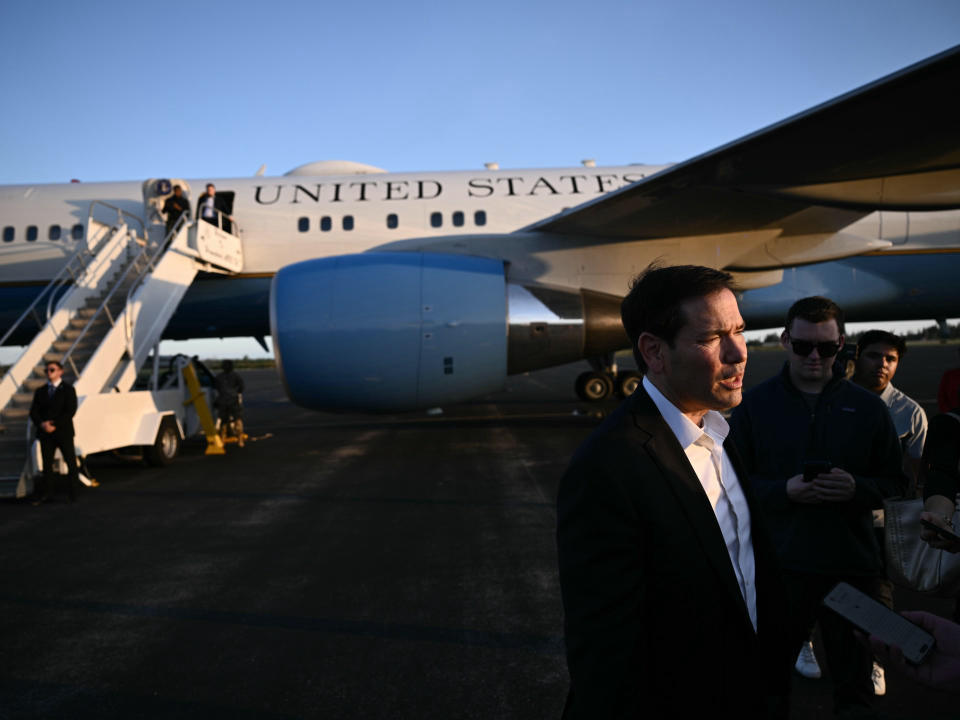
US Secretary of State Marco Rubio said President Donald Trump launched the war against Iran to protect the world from Tehran's nuclear ambitions. Speaking to reporters in Florida on Sunday, Rubio said Trump "identified a very real threat" in Iran and had worked to stop it from pursuing a nuclear weapon.
Rubio said Trump had taken on difficult security challenges, adding that doing so "isn't necessarily popular, but necessary". On diplomacy, he said, "I wouldn't say we're at the verge of a breakthrough", and described Iranian demands as unacceptable and in some cases unrealistic.
Trump defends the war
Rubio's comments followed Trump saying that "a lot of people didn't like" Vice President JD Vance's remarks blaming the US-led war on Iran for the Republican Party's defeat in last week's US midterm elections. Trump said he mostly agreed with Vance but did not regret going to war, saying it "will go down as one of the best things we ever did".
Trump also told CNN in a phone interview on Sunday that if Washington sees progress in negotiations and Tehran signs a "strong agreement", it is "highly unlikely it's going to be necessary" for the US to resume strikes.
doing it isn’t necessarily popular, but necessary
— Marco Rubio
Iran's response and talks
Iran's Foreign Minister Abbas Araghchi said on Sunday it was "time for the White House to make its own" decision on the war. Writing on X, he said American voters had made their choice, and repeated Tehran's "2-day proposal": meet the requirements, including an end to war on all fronts, and see results, or choose war.
Iran has offered to reopen the Strait of Hormuz to commercial shipping within two days if the US meets its conditions. Trump is due to meet Qatar's prime minister and foreign minister, Sheikh Mohammed bin Abdulrahman bin Jassim Al Thani, at the White House on Monday, and Tehran is reviewing Qatari proposals, according to the Associated Press.