Don't miss: Meteor showers, fireballs, and a supermoon light up November's night sky
November's night sky is packed with celestial wonders, from bright meteor fireballs and a close pairing of Mars and Jupiter to a spectacular supermoon. Meanwhile, NASA's Voyager 1 is making history by becoming the first spacecraft to reach a distance of one light-day from Earth.
Key points
- The Southern Taurids peak around November 5 and the Northern Taurids around November 12, each producing about five meteors per hour.
- Mars and Jupiter will appear about 1.2 degrees apart in the southeastern sky on November 15 and 16.
- Voyager 1 will reach one light-day from Earth, making radio signals take a full day to arrive.
November 2026 offers several skywatching events, according to NASA's recommendations reported by ScienceDaily. Three meteor showers, a close pairing of Mars and Jupiter, a Voyager 1 milestone and a supermoon are all on the schedule.
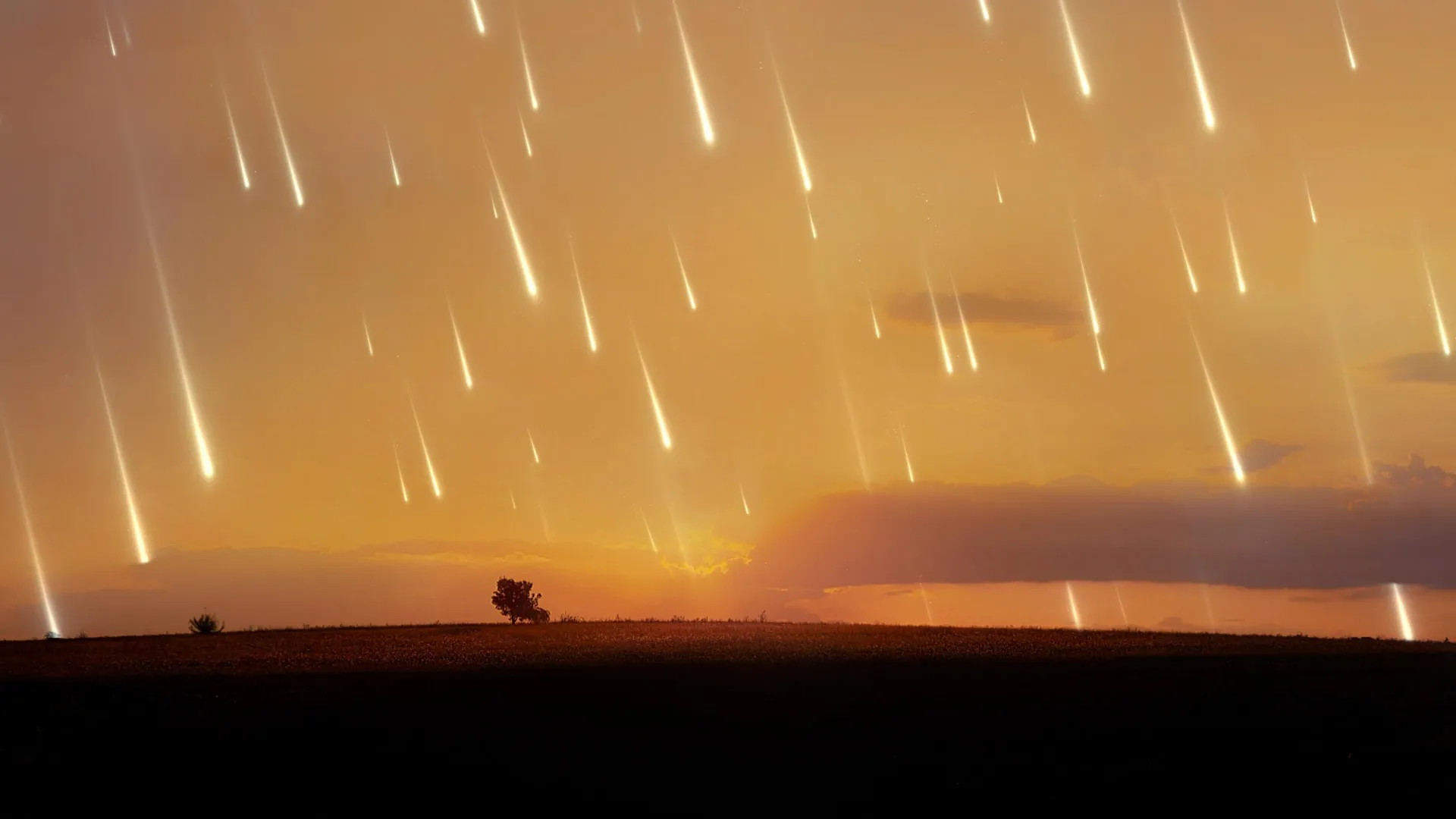
The Southern Taurids peak around November 5 and the Northern Taurids around November 12. Neither shower is especially prolific, with each typically producing about five meteors per hour even in good conditions, but the Taurids are known for occasional bright fireballs.
Leonids and a planetary pairing
The Leonids are best viewed in the early morning hours of November 17 and 18, particularly after the Moon has set. Under ideal conditions observers could see about 15 meteors per hour, though actual counts will generally be lower.
On November 15 and 16, Mars and Jupiter will appear only about 1.2 degrees apart in the southeastern sky, slightly more than the apparent width of two full Moons. Jupiter will be the brighter of the two, and no telescope or binoculars are needed.
Voyager 1 and the supermoon
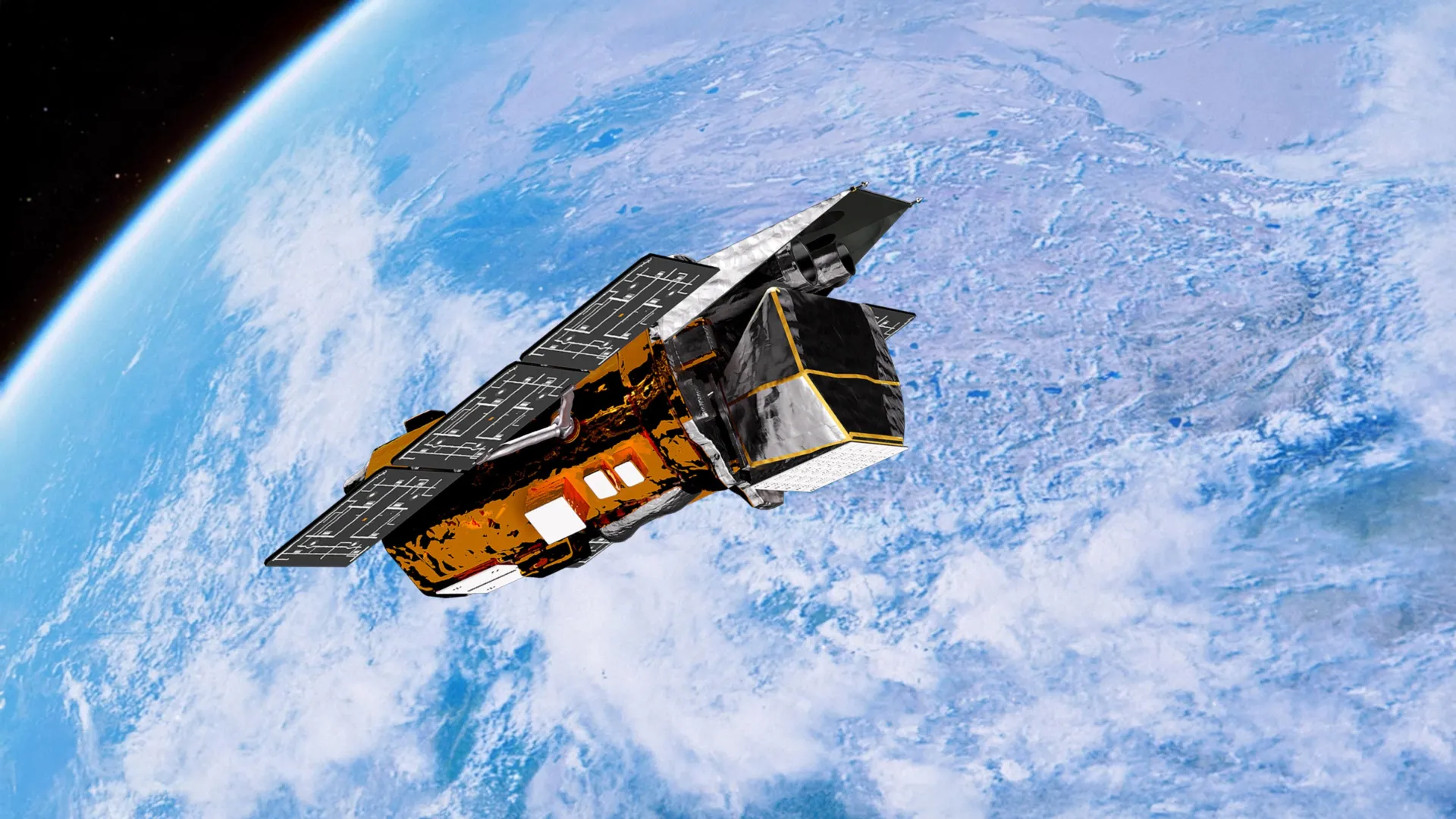
NASA's Voyager 1 is reaching a distance of one light-day from Earth, becoming the first human-made object to travel that far. Radio signals will take a full day to reach the spacecraft, and a round-trip communication will require about 48 hours. NASA is marking the achievement on November 17 with its Shine Bright for Voyager's Light-Day activation.
A full supermoon will rise on November 24, beginning a sequence of three consecutive supermoons, with others following in December and January. NASA recommends looking toward the eastern horizon around sunset, when the Moon may seem unusually large near the horizon due to the Moon illusion.