Five-inch-long beetle larvae are quietly destroying blueberry roots
Scientists have solved a mystery surrounding destructive beetles attacking blueberry bushes in North Carolina, identifying a species whose massive larvae can grow up to five inches long and destroy plant roots. Although farmers have reported damage for more than a decade, the insects responsible remained unidentified until researchers used DNA analysis to uncover the culprit.
Key points
- Researchers at North Carolina State University identified Prionus imbricornus as the beetle damaging blueberry roots.
- North Carolina is the first state to document this species feeding on blueberry bushes.
- No insecticides are currently labeled against this pest in blueberries, and testing has begun.
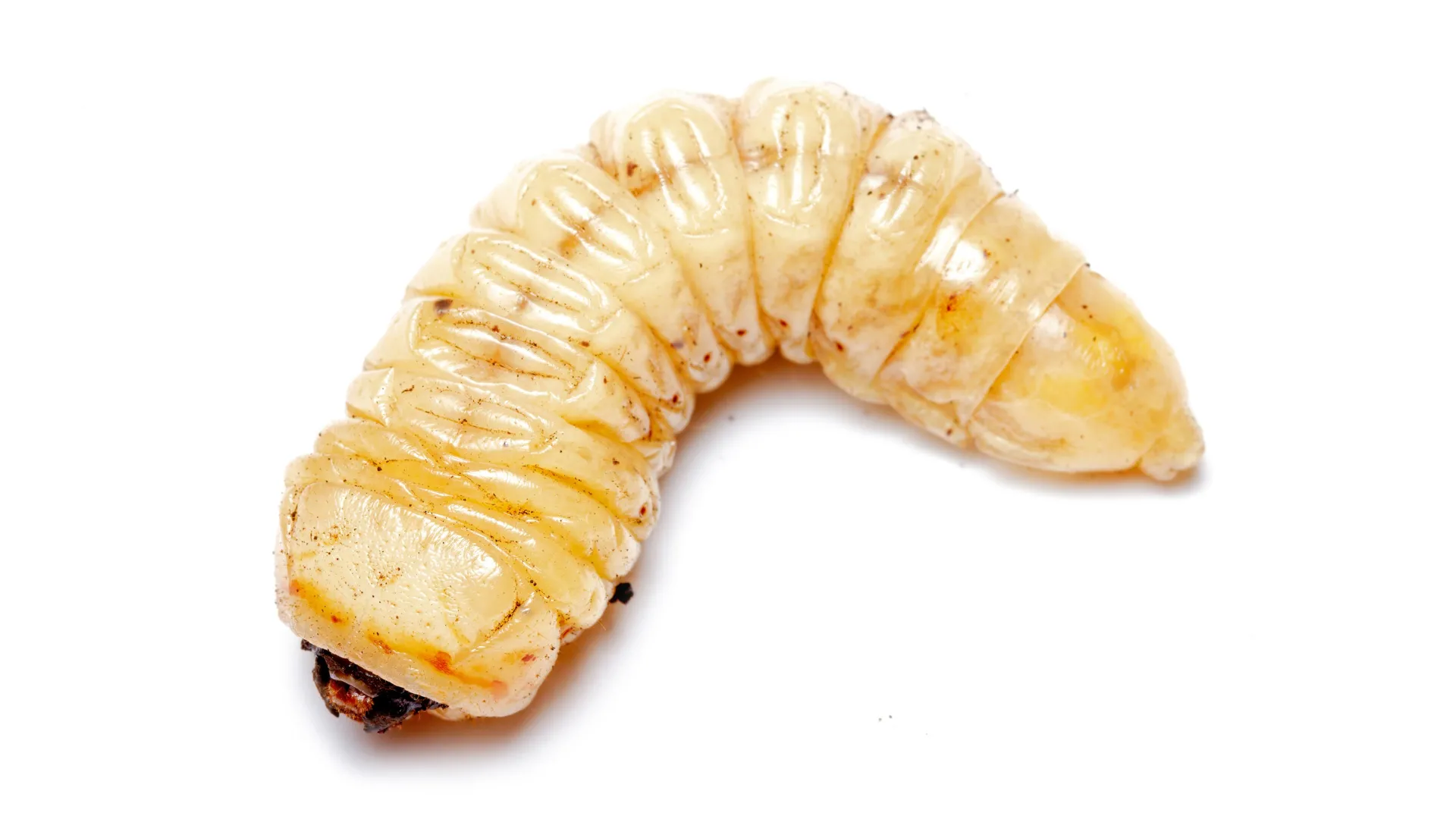
Scientists at North Carolina State University have identified the insect damaging blueberry bushes in the state: Prionus imbricornus, a longhorn beetle with long antennae. Its larvae feed underground on plant roots and can reach five inches in length, sometimes killing the bushes.
North Carolina is the first state to document this species feeding on blueberries. Reports of unidentified Prionus larvae harming blueberry roots date back to 2010, but researchers had struggled to determine which species was responsible.
How the beetle was identified
The team did fieldwork at six blueberry farms in Pender, Sampson, Bladen and New Hanover counties. They set black panel traps containing sex pheromones to attract adult beetles, then used genetic barcoding to match DNA from larvae in the fields with reference sequences from known species.
The analysis produced a 98 to 99 percent match with P. imbricornus. The larvae are hard to study because they stay near plant roots, and larvae of different longhorn beetle species often look very similar.
On one hand, it's very important that we know which species we're dealing with
— Lorena Lopez
Concern for growers
Kenneth Geisert, lead author of the study, said researchers often assumed the species of Prionus on their crops based on adult identification, and a wrong guess could mean a treatment strategy that did not match the problem.
Lorena Lopez, a co-author, said there are no insecticides currently labeled against this pest in blueberries. She has begun testing insecticides, with a focus on timing applications to the beetles' reproductive cycles to disrupt larval development.
Where the study appears
The findings were published in the Journal of Integrated Pest Management. Gareth Powell, director of the NCSU Insect Museum, also contributed to the research.