The midterms could fuel the K-shaped AI trade
U.S. midterm results could slow data center development, raising the value of existing AI capacity while increasing pressure on debt-funded neoclouds.
Key points
- Democratic midterm wins raised prospects of tougher data center rules, splitting AI-related stocks.
- Microsoft and Amazon rose over 6% while CoreWeave fell about 10% as markets weighed results.
- Nomura said tighter rules could become a bigger headwind to AI investment from 2028.
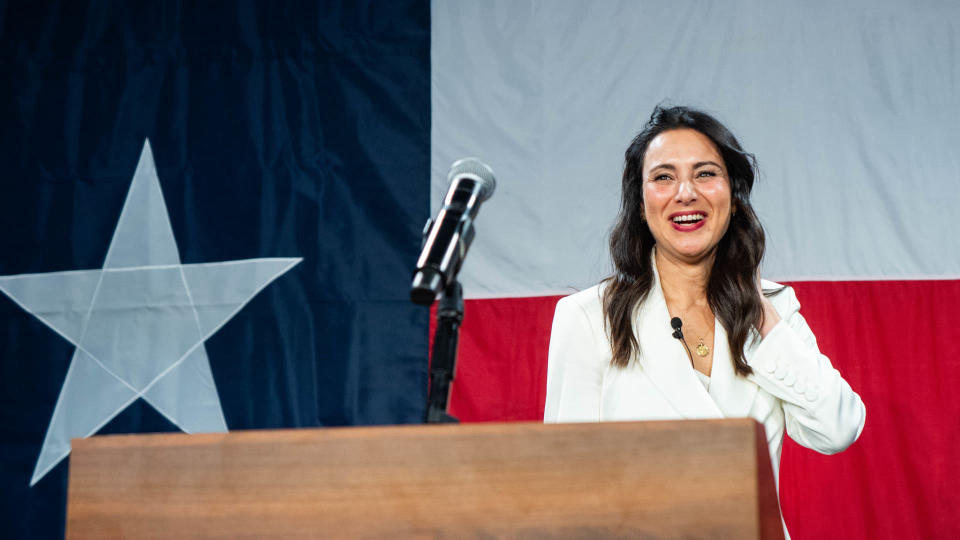
Democratic victories in key gubernatorial races have raised the prospect of tougher scrutiny for data center projects, adding to investor concerns about how quickly new capacity can be built and financed, CNBC reported. In Texas, Democratic governor-elect Gina Hinojosa has proposed a statewide moratorium on new data center permits, though projects already under construction would reportedly be exempt.
As markets digested the results on Wednesday, Microsoft and Amazon each surged more than 6%, while AI infrastructure provider CoreWeave plunged around 10%. Chipmakers Micron and Nvidia fell 7% and 3.17%, respectively.
Why borrowing costs matter
James Sullivan, managing director and co-head of global fundamental research at JPMorgan, told CNBC's "Squawk Box Asia" that differences in borrowing costs are playing a key role in the split. He said borrowing spreads have widened significantly for neocloud companies, leaving their cost of additional capital substantially higher than that of hyperscalers, which benefit from more diversified customers and revenue streams.
Sullivan said the divergence in equity performance is largely driven by the view that existing capacity is now significantly more valuable because of incremental supply constraints.
The fact that you're seeing this bifurcation in equity performance is largely driven by the view that existing capacity is significantly more valuable now because of incremental supply constraints.
— James Sullivan
Timing of the impact
Much of the data center capacity expected to come online in 2027 is already under construction, limiting the near-term impact of new restrictions, according to investment bank Nomura. Projects planned for 2028 face greater exposure to permitting delays and regulatory uncertainty, and Nomura said tighter regulations could become a more significant headwind to AI investment from 2028.
BMI warned that a sharp slowdown in data center construction and AI investment could produce a greater-than-expected decline in overall investment, The Business Times reported. JPMorgan Asset Management said hyperscalers have broader cloud businesses and more internally generated cash flow, while lower-rated neoclouds face greater exposure to borrowing costs, energy prices and refinancing conditions.