A 50-year-old mystery of vanishing frogs reveals a hidden killer
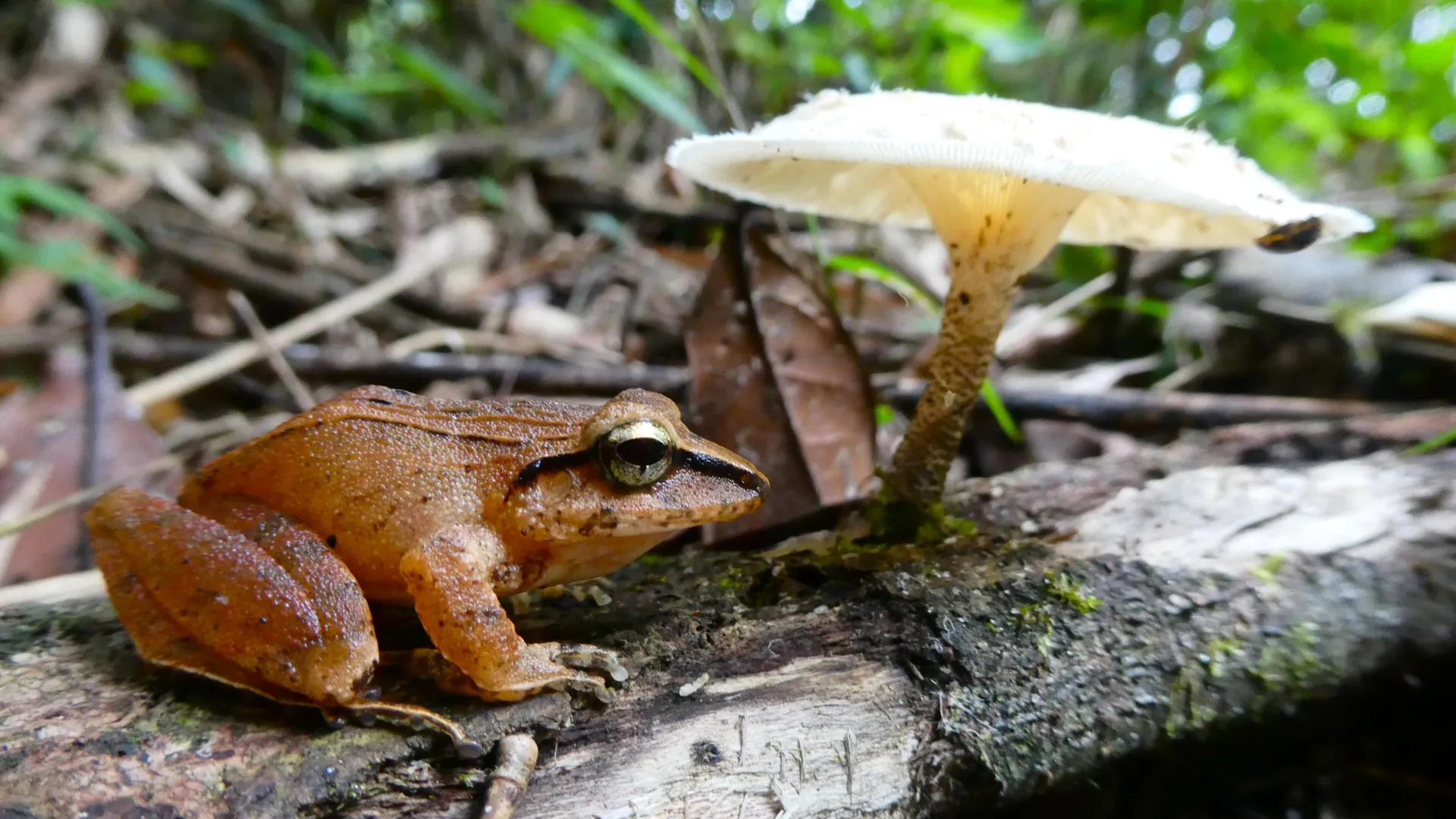
A nearly 50-year-old mystery involving disappearing frogs in Brazil may finally be solved, with scientists uncovering evidence that a deadly fungus swept through the region and devastated vulnerable species. Remarkably, many frog populations have since rebounded, suggesting they developed greater tolerance to the disease that once threatened their survival.
Key points
- Researchers link chytrid fungus to frog declines at Brazil's Boracéia Biological Station between 1979 and 1982.
- None of the preserved specimens from before 1979 tested positive for chytrid; over half from the 1980s did.
- Modern surveys found 12 of 17 historically recorded species, suggesting most populations have recovered.
Scientists have found evidence that a fungal disease called chytridiomycosis, or chytrid, likely caused frog populations to vanish from Brazil's Atlantic Forest, according to findings published in Molecular Ecology. The research comes from the Center for Conservation Genomics at the Smithsonian's National Zoo and Conservation Biology Institute and Pennsylvania State University.
Amphibian declines at the Boracéia Biological Station were documented between 1979 and 1982, but the cause had remained unclear for nearly 50 years. The fungus behind chytrid, Batrachochytrium dendrobatidis, is thought to have originated in Asia and spread worldwide in the 1970s and 1980s, though it was not formally described until 1999.
Evidence from museum specimens
The team tested more than 370 preserved amphibians from 17 species collected by former Smithsonian curator William Ronald Heyer on five expeditions, two in the 1970s and three in the 1980s. No specimens collected before 1979 showed signs of infection, while more than half from the 1980s tested positive.
Species that declined most sharply showed no detectable infection in the specimens, while species with stable populations often carried the fungus. The researchers suggest vulnerable frogs may have died too quickly after infection to be collected.
After almost 50 years, we still aren't confident what caused many historical amphibian die-offs
— Jack Boyette
Recovery and future work
Six visits to Boracéia between 2022 and 2024 found 12 of the 17 species in Heyer's collection; the other five were not located. Chytrid infections remain present, but the pattern suggests species once heavily affected may have developed greater tolerance.
The researchers caution the findings apply to this site and cannot automatically explain declines elsewhere in the Atlantic Forest. They are now studying DNA from museum specimens to understand why some species were devastated and others survived.