All 5 genetic “letters” of DNA and RNA discovered in a 4.5-billion-year-old asteroid
Scientists have discovered all five essential nucleobases used in DNA and RNA in pristine samples from asteroid Ryugu, revealing that key ingredients for life existed in space billions of years ago. The remarkable finding adds to growing evidence from other asteroids and meteorites that these molecules were widespread throughout the early Solar System.
Key points
- Japanese scientists confirmed all five nucleobases are present in pristine samples from the asteroid Ryugu.
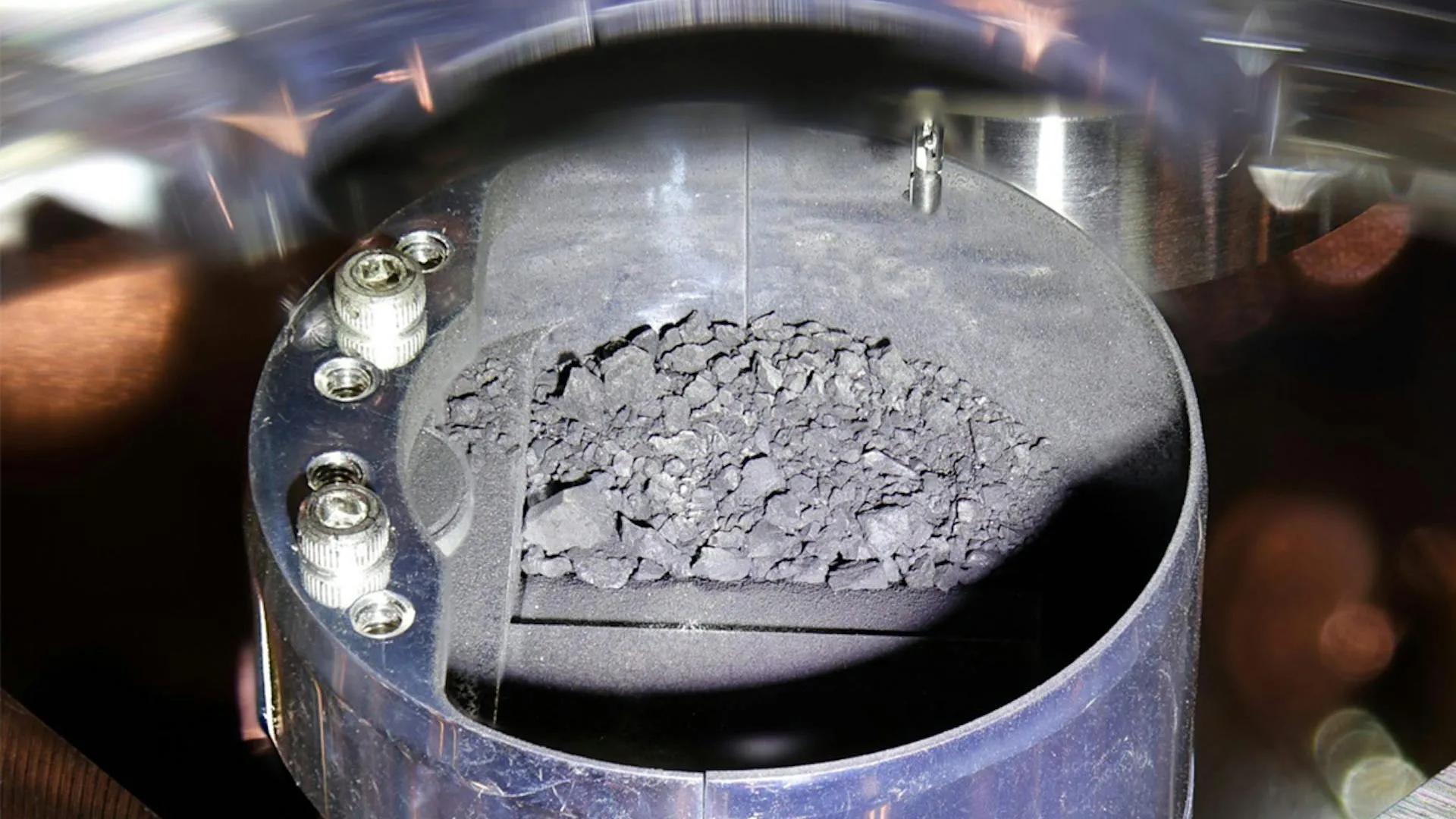
- The samples were returned to Earth in 2020 by JAXA's Hayabusa2 mission, which delivered 5.4 grams.
- The findings suggest the ingredients of life may have formed in space and been delivered to early Earth.
A new study has detected all five fundamental nucleobases, the molecular letters of DNA and RNA, in samples from the asteroid Ryugu, ScienceDaily reports. The samples were returned from space in 2020 by the Japan Aerospace Exploration Agency's Hayabusa2 mission.
In 2023, an international team reported finding one of the nucleobases, uracil, in the samples. The new study, published in Nature Astronomy, confirms that a team of Japanese scientists found all five in the pristine asteroid material.
How the samples were studied
Hayabusa2 delivered a total of 5.4 grams of pristine asteroid material. Researchers used ultra-clean lab conditions to avoid contamination, extracting organic molecules with water and hydrochloric acid before purifying them for detection.
All five nucleobases were found in the two Ryugu samples analysed, in roughly similar amounts. The nucleobases are adenine and guanine, known as purines, and cytosine, thymine and uracil, known as pyrimidines.
the story of life on our planet may be deeply connected to the chemistry of such ancient asteroids
— the study authors
Comparison with other space rocks
The results align with earlier findings on space rocks. The Murchison meteorite, which fell in Australia in 1969, and the Orgueil meteorite in France from 1864 have previously yielded a rich variety of organic molecules, including nucleobases.
Pristine samples from NASA's mission to asteroid Bennu also yielded all five nucleobases in 2025. The asteroids show chemical differences: Murchison is enriched in purines, while Bennu and Orgueil contain more pyrimidines, a balance thought to be influenced by ammonia.