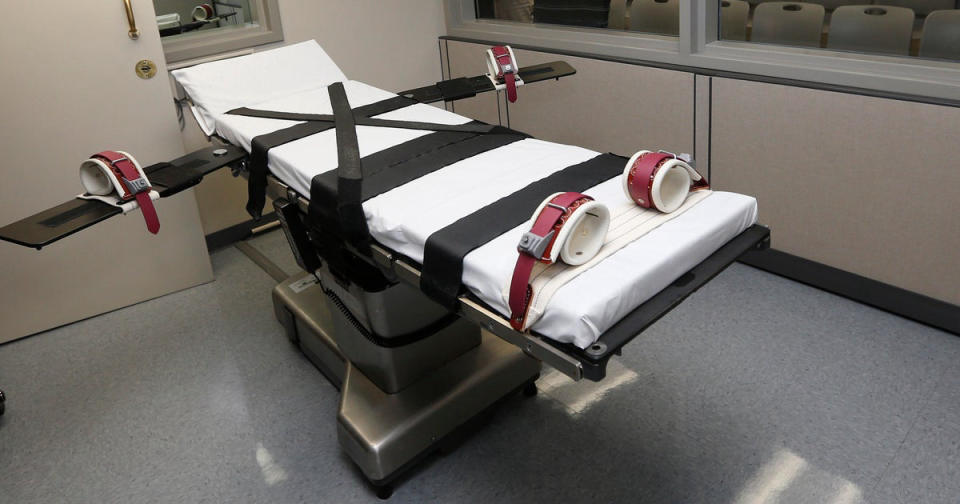
Newsom moves to commute all California death sentences
The move does not repeal California's death penalty or prevent prosecutors from seeking it in future cases.
Key points
- Newsom said he will commute all 548 current California death sentences to life without parole.
- The move does not repeal the death penalty or stop prosecutors from seeking it in future cases.
- California voters rejected death penalty repeal in 2012 and 2016, and executions have been halted since 2019.
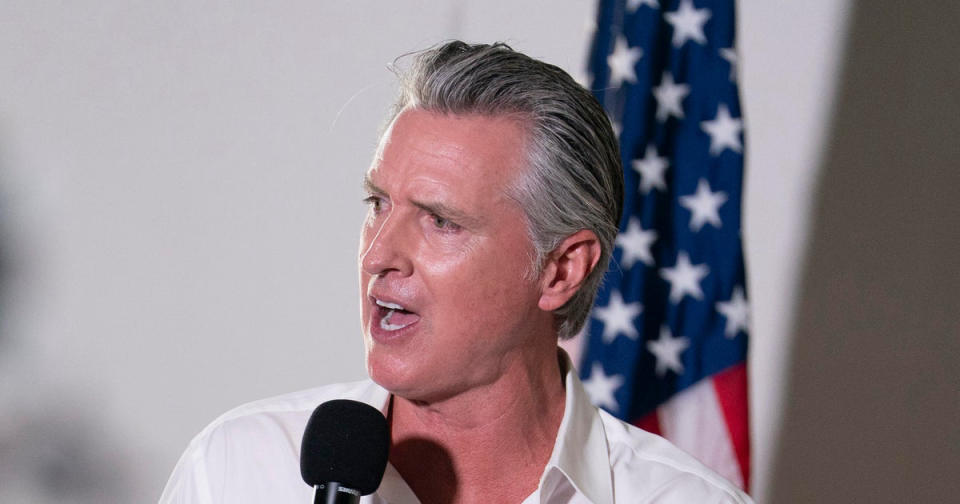
Gov. Gavin Newsom announced Thursday that he will commute every current death sentence in California to life in prison without the possibility of parole. In an open letter, Newsom said he would use his constitutional clemency authority to change the sentences of 548 people now facing the death penalty.
Newsom said he acted because he believes state-sanctioned killing conflicts with California's values and weakens the legal system. The move does not repeal California's death penalty or stop prosecutors from seeking it in future cases; Newsom said those decisions remain with prosecutors, juries and courts.
Voters have kept death penalty
California voters have repeatedly chosen to keep capital punishment. They rejected Proposition 34, which would have abolished it, in 2012, and rejected repeal again in 2016 with Proposition 62 while narrowly approving Proposition 66, which sought to speed up death penalty cases.
Newsom imposed a moratorium on executions shortly after taking office in 2019. California last carried out an execution in 2006.
Clemency is not leniency. This decision moves California closer to a justice system that values human dignity.
— Ricardo García
Reactions from justice officials
Los Angeles County Public Defender Ricardo García praised the decision, saying his office had sought universal clemency because of what he described as deep inequities in the death penalty system. Orange County District Attorney Todd Spitzer strongly criticized the commutations, saying they override jury verdicts and undermine crime victims' families.
Spitzer said his office will keep seeking the death penalty where prosecutors believe it is warranted. Under the commutations, every current death sentence would become life without parole, which Newsom called the most severe punishment he can impose through clemency. Some cases will need review by the California Supreme Court because the state constitution requires court approval before a governor can grant clemency to someone convicted of more than one felony.