Scientists discover a surprising twist in how the body burns calories
Researchers have discovered that a drug can significantly increase the body's energy expenditure without clearly activating calorie-burning brown fat. The unexpected finding reveals a new challenge in developing obesity treatments that harness the body's natural fat-burning machinery.
Key points
- A Basel study found fenoterol raised energy use but did not clearly activate brown fat.
- Only cold exposure showed clear brown fat activation in the 11 volunteers.
- Researchers say fully activating brown fat may need multiple receptors or signals.
Researchers at the University of Basel and University Hospital Basel tested whether a drug could switch on brown fat, the tissue that burns calories to produce heat, in humans. Their results, published in Cell Metabolism, suggest that using drugs to harness brown fat may be harder than expected.
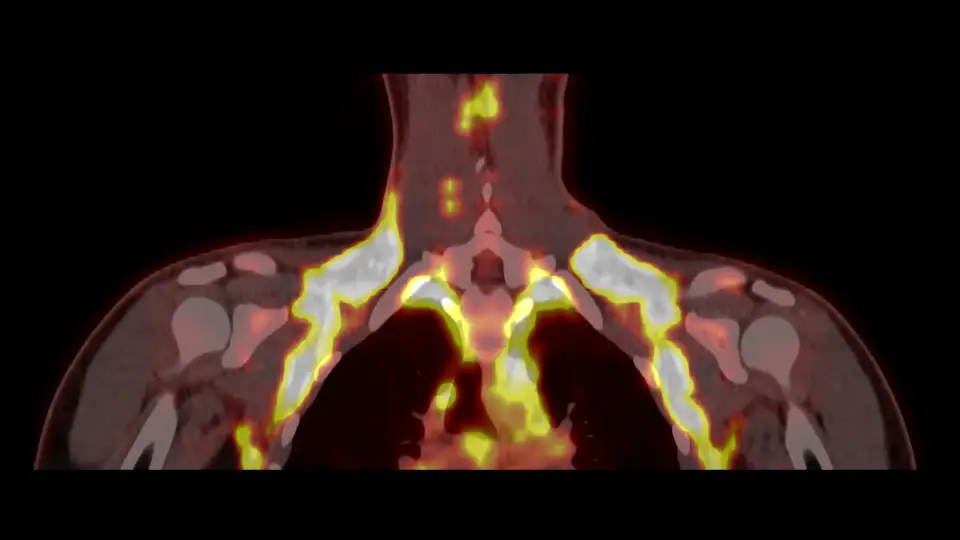
The team, led by Professor Matthias Betz, ran two experiments with 11 healthy volunteers, comparing mild cold exposure with fenoterol, a medication that stimulates the beta2 adrenergic receptor. They measured energy expenditure and used PET/CT scans to track brown fat activity.
Energy rise without clear activation
Both cold and fenoterol increased the amount of energy participants burned. However, only cold exposure produced clear signs of brown fat activation, with the tissue taking up considerably more glucose than after fenoterol.
Betz said the team was surprised that energy expenditure rose strongly with fenoterol without comparable brown fat activation. He said the study shows that higher energy expenditure does not automatically mean brown fat has been activated. Where the extra energy is burned remains unknown; the researchers suspect other tissues such as skeletal muscle or white fat.
Our study shows that an increase in energy expenditure does not automatically mean that brown fat has been activated.
— Matthias Betz
Possible path for obesity treatment
Analysis of human tissue suggests that fully activating brown fat may require several receptors or biological signals working together, not just one receptor. Current weight loss drugs work by reducing appetite, but the body often burns fewer calories as people lose weight.
Betz said an ideal approach would combine lower appetite with higher energy expenditure, but that brown fat regulation must first be better understood.