U.S. sanctions push Cuba to the brink, with healthcare at risk
More than nine million Cubans are caught in the middle as the U.S. and Cuba blame each other for Cuba's deepening humanitarian crisis.
Key points
- New U.S. sanctions under President Trump are making it harder for Cuba to import food and medical supplies, despite Washington saying it does not intend to restrict such goods.
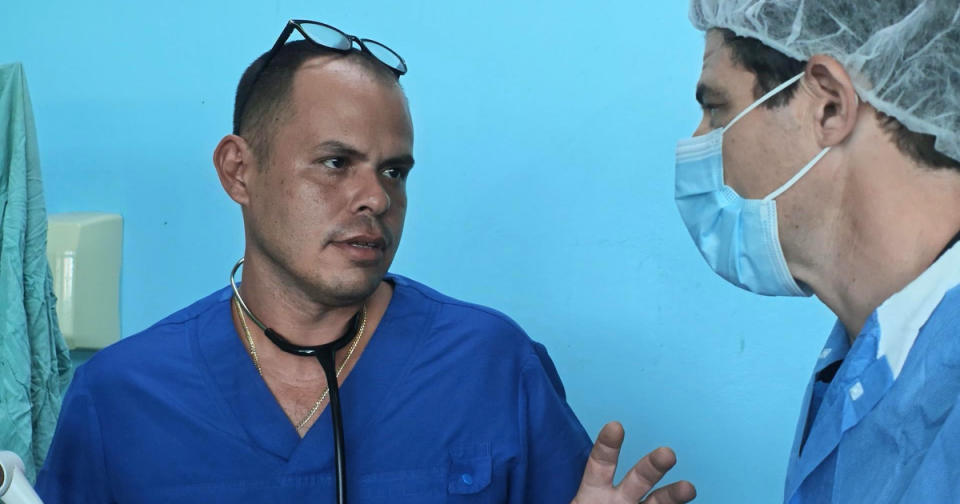
- Cuban doctors at William Soler Pediatric Hospital describe power outages, supply shortages and staff departures that are straining medical care.
- A 2-month-old boy treated during a 60 Minutes visit was readmitted to the ICU with respiratory complications and died on Thursday, according to Dr. Alejandro Chong.
Cuba is facing worsening shortages of food and medical supplies as tightened U.S. sanctions under President Trump make imports harder, according to a CBS News 60 Minutes report. Washington says it does not intend to restrict food and medical supplies, but many foreign companies fearful of U.S. penalties will not sell them to Cuba.
At William Soler Pediatric Hospital in Havana, doctors treated a 2-month-old boy who arrived dehydrated and malnourished, weighing less than 5 pounds. Dr. Alejandro Chong, head of the ICU, said the boy needed specialized formulas, many of which come from the United States.
Power cuts and staff shortages
Cuban officials say only a single tanker of oil has reached the island since early January, crippling the electrical grid. Chong said the seconds between a power cut and a generator starting are critical for patients under general anesthesia or on ventilators. Doctors said they have finished surgeries using cellphone light and pumped oxygen by hand when ventilators failed.
Many doctors have left the profession or the country because of exhausting, poorly paid work. Chong and Dr. Lórien Rodríguez, a second-year pediatric surgery resident, both hold second jobs. Doctors told 60 Minutes that cancer drugs, anesthetics and lab equipment are in critically short supply, and one toddler had waited 68 days for an artificial lung machine component that normally takes two days.
Every government has responsibility for their people.
— Carlos Fernández de Cossío
What officials said
Carlos Fernández de Cossío, Cuba's deputy foreign minister and a negotiator with the U.S., said he owes it to families "to do as much as we can to ease the situation that the population faces." He also said every government bears responsibility for its people and that some Cuban decisions could have been better.
A spokesman for Secretary of State Marco Rubio said in a statement that the Cuban regime blames the United States and others for its own incompetence and corruption, and hides billions in overseas bank accounts instead of investing in electricity, infrastructure and daily needs. Rubio declined a request for an interview.