Was Neanderthal life violent? This wound suggests lethal fighting was more common
A 75,000-year-old Neanderthal spear wound may be evidence violence shaped human life far earlier than thought.
Key points
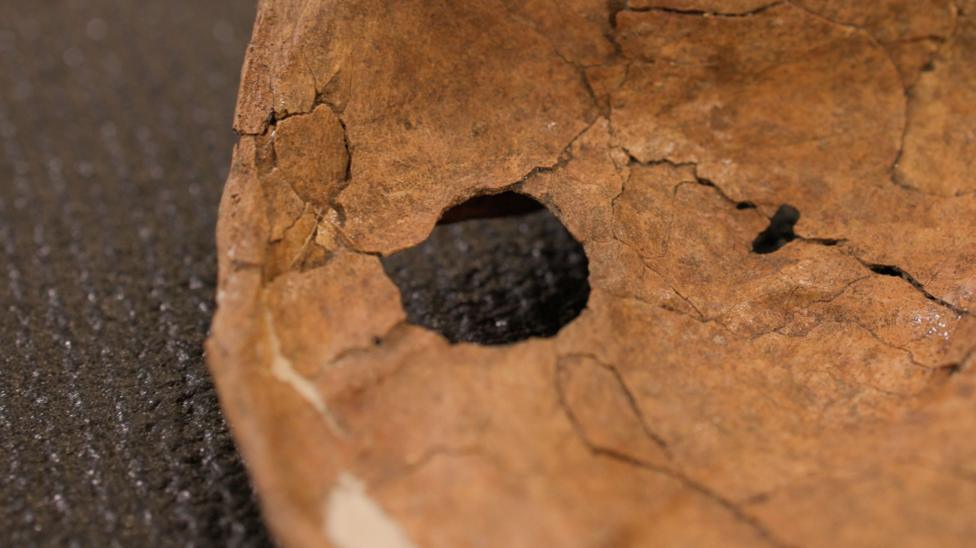
- A 75,000-year-old Neanderthal shoulder blade from Iraqi Kurdistan has a 15mm hole.
- Researchers say a sharpened wooden spear likely passed through the chest and exited the shoulder.
- The find is the earliest evidence of lethal violence with a wooden spear in the Middle East.
Archaeologists say a Neanderthal who died 75,000 years ago may have been struck through the chest by a sharpened wooden spear. The remains were found in a cave in Iraqi Kurdistan.
A 15mm hole in the individual's left shoulder blade suggests the spear entered the chest, passed through the body and exited through the shoulder, possibly damaging a lung and major blood vessels. The research is the latest evidence that Neanderthal societies experienced more violence than previously thought.
What researchers found
The remains, called Shanidar A after the cave, included the left shoulder blade, right hand, three ribs and some teeth. At least 10 Neanderthals were found in the cave during excavations in the 1950s.
Dr Emma Pomeroy, study lead author from Cambridge's Department of Archaeology, said the hole may be the earliest evidence of lethal interpersonal violence from a wooden spear. She told BBC News the fatal strike may have been an intended heart shot.
The fatal strike may have been an intended heart shot.
— Dr Emma Pomeroy
Debate over the wound
Pomeroy said the wound is not a natural break because it is so circular, and experiments with reconstructed wooden spears produce similar round holes in bone. But she said the violence is not certain and it could have been friendly fire or a hunting accident.
Prof Chris Stringer of the Natural History Museum in London, who was not involved in the research, told BBC News that an attack by a rival was more plausible. He said the researchers leave it open whether it resulted from a hunting accident or interpersonal violence, but in his view the latter seems more likely given the positioning and extent of the wound.