Why are families going hungry in northern Yemen even where food is on sale?
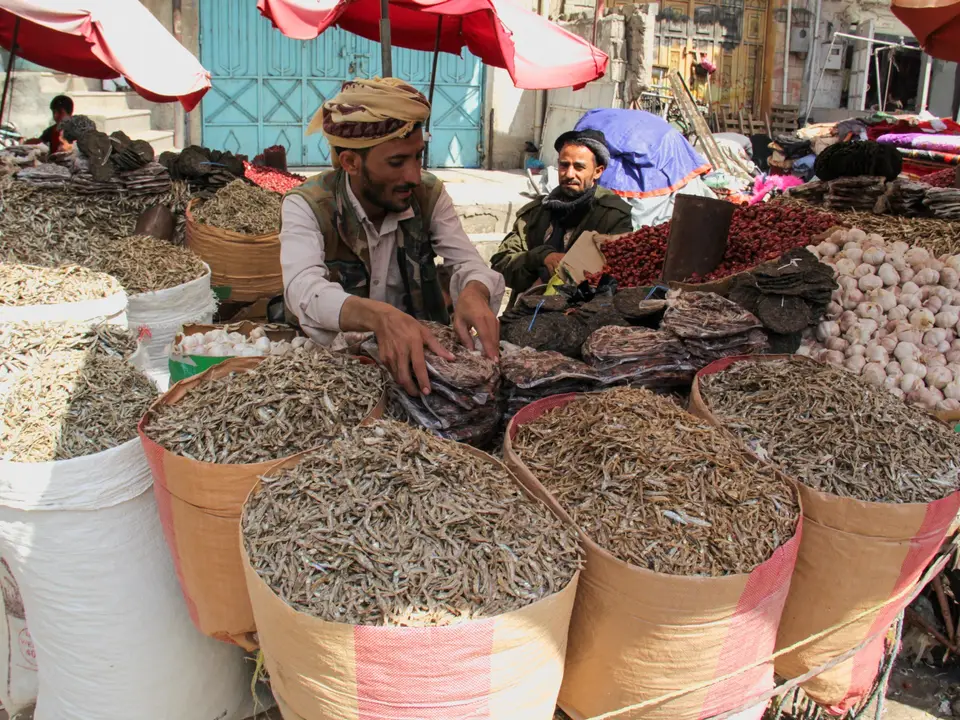
Flour and oil still reach markets in Hodeidah and Sanaa. But high costs and lack of work and aid put it out of reach.
Key points
- Food remains available in northern Yemen markets, but families cannot afford it as prices rise and work is scarce.
- The WFP suspended food assistance in Houthi-held areas in September 2025 after UN staff were detained.
- Fuel imports through northern ports fell about 85 percent year-on-year in August, raising transport and bread costs.
Families in Houthi-controlled northern Yemen are going hungry even though food is still on sale in markets, according to the Yemen Joint Monitoring Report. In September, a basket of basic foods in Houthi-held areas cost about 7 percent, or $91, more than in August, its highest level in a year.
The Famine Early Warning Systems Network (FEWS NET) reported in October that most households in and around northern towns find only five to 10 days of paid work a month. The UN World Food Programme's food assistance in Houthi-held areas has been suspended since September 2025, FEWS NET said.
Wages fail to cover food
Workers in Hodeidah described earnings that no longer stretch to basic needs. Motorcycle taxi driver Ahmed Arjash told Al Jazeera his daily earnings barely cover fuel or the motorcycle rent, and a day labourer named Saleh said some days pass without anyone hiring him.
A fisherman named Salem said fuel, boats and equipment cost more while fewer customers can afford his catch. In Hodeidah's poorest neighbourhoods, many families skip meals or go without meat, fish, milk and fruit, Al Jazeera found.
Even bread has become a burden
— Umm Sami
Imports and aid under strain
Yemen imports about 90 percent of its food, according to WFP. Food imports into Houthi-held areas rose 10 percent between June and August compared with the previous three months, but fuel imports fell about 85 percent year-on-year in August, according to the FAO. Bread prices in Houthi-held areas rose 25 percent in September, FEWS NET said.
The Norwegian Refugee Council said on Thursday that donors had provided just 16 percent of the money sought for food security across Yemen this year. The FAO and WFP named Yemen among their hunger hotspots of highest concern for the six months ending May 2027.