A plastic once thought harmless may be fueling fatty liver disease
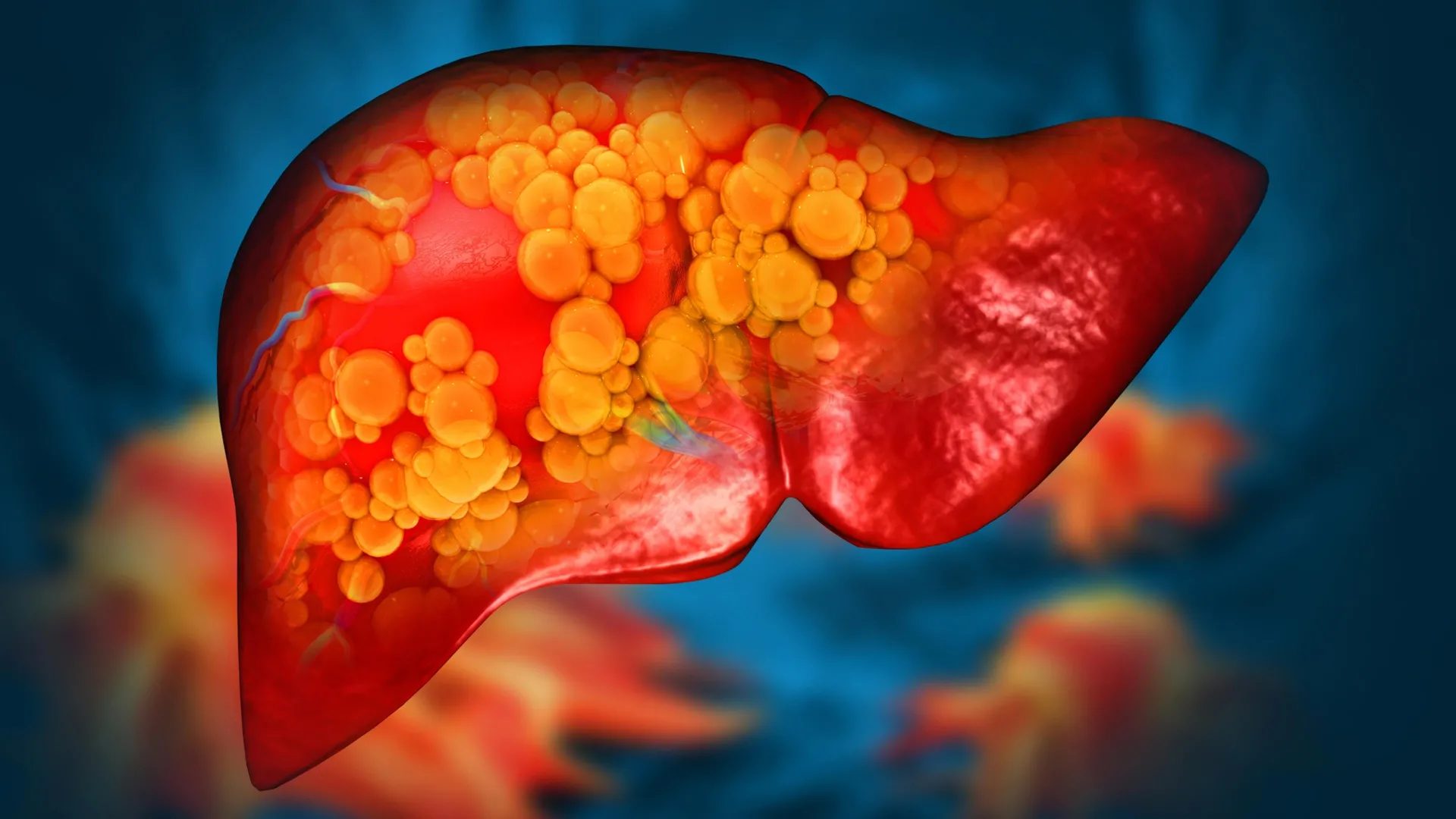
One of the world's most common plastics may pose a hidden threat to liver health. Texas A&M researchers discovered that polyethylene microplastics can contribute to fatty liver disease, with potentially worse effects when combined with an unhealthy diet. Even more surprising, this widely used plastic was previously considered relatively harmless.
Key points
- Texas A&M researchers found that polyethylene microplastics may contribute to fatty liver disease, especially when combined with an unhealthy diet.
- Polyethylene accounts for about one-third of global plastic production but has received relatively little study for liver effects.
- The team used spatial transcriptomics to map liver damage and identified PPAR-alpha and ANXA2 as possible molecular contributors.
Researchers at the Texas A&M College of Veterinary Medicine and Biomedical Sciences (VMBS) have identified a possible link between polyethylene microplastics and fatty liver disease. The findings suggest exposure to the plastic may promote the condition, particularly when it occurs alongside an unhealthy diet.
Polyethylene makes up approximately one-third of plastic production worldwide and is used in food wrappers, storage containers, plastic packaging and the linings of beverage cups. The article states that scientists have given relatively little attention to its potential effects on the liver compared with other microplastics.
What the study found
The team examined whether polyethylene exposure could promote fatty liver disease, a condition in which excess fat accumulates inside liver cells. According to the American Liver Foundation, it affects approximately 25% of people worldwide.
Polyethylene exposure increased indicators of fatty liver disease even without an unhealthy diet, the researchers found. When the plastic was combined with a diet rich in fat, fructose and cholesterol, the signs of liver disease became more severe.
No studies have really looked into polyethylene's effect on liver health, and it's the most widely produced plastic
— Dr. Adi Joshi
How the liver is affected
The Texas A&M team worked with scientists at the University of Oklahoma and used spatial transcriptomics, a technique that studies gene activity while preserving information about where cells are located in a tissue. The approach let them map areas of liver damage linked to polyethylene exposure and identify molecular pathways involved.
One finding involved PPAR-alpha, a protein that helps regulate fat metabolism in the liver; polyethylene activated it. The researchers also identified ANXA2, a gene associated with tissue repair, as another possible contributor.
The team plans to study whether polyethylene exposure could lead to more advanced liver disease, including fibrosis, and whether targeting the PPAR-alpha pathway could protect the liver. The article notes that further research is needed to establish how these experimental observations translate to everyday human exposure.