‘A rare indulgence’: why Black Swan is my feelgood movie
The latest in our series of writers explaining their go-to comfort films is a tribute to Darren Aronofsky’s dark and unusually satisfying ballet nightmare In early 2011, sometime after the film was released on home video, I sat down with mum to watch what she had heard was a “new ballet movie” by Darren Aronofsky. I was 12 years old, spending school nights training to be a professional dancer. Without any warmup…
Key points
- A Guardian Culture writer recalls first watching Black Swan at age 12 with her mother while training as a professional dancer.
- The writer describes the film as strangely soothing and an unexpected comfort despite its dark, disturbing story.
- Black Swan is available to rent digitally in the US and on Disney+ in the UK and Australia.
A writer for Guardian Culture has reflected on why Darren Aronofsky's Black Swan remains her go-to comfort film. She first watched it in early 2011, sometime after its home video release, sitting with her mother at age 12 while training on school nights to become a professional dancer.
The writer says she knew little about the pointe work that earned Natalie Portman her best actress Oscar, and the film left her disturbed but wanting more. She recalls that at that point in her adolescence she thought Jumanji was a scary movie.
An unexpected source of comfort
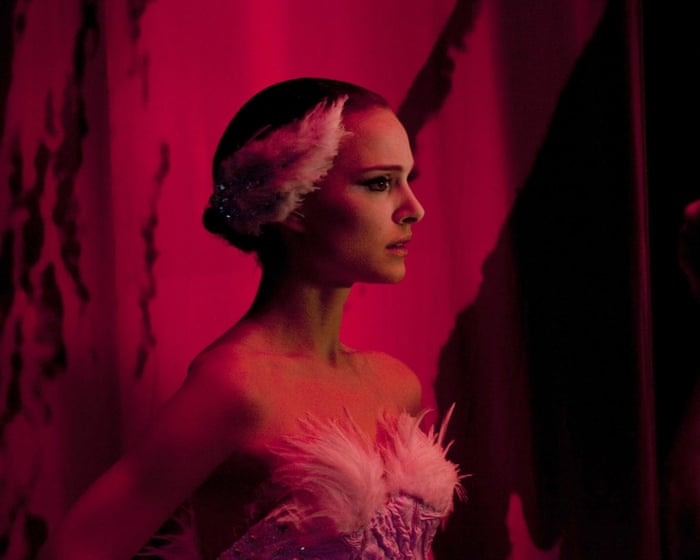
The writer says she has returned to Black Swan many times and her affection for it has deepened with each viewing. She describes the pale pinks and powdery blues, Nina's wrap sweaters and leotards, and even Barbara Hershey's smothering presence as an unexpected comfort.
She calls the film almost hermetically sealed within its own world and strangely soothing, a retreat into the insular private life of an artist committed to one thing. For Nina, she writes, there is only space for ballet, and for the duration of the film she too is consumed.
I felt it, perfect.
— Nina Sayers
Nina's rise and rivalry
The article recounts how Nina, long overlooked in the company's corps de ballet, sets out to replace retiring prima ballerina Beth, played by Winona Ryder. Artistic director Thomas, played by Vincent Cassel, plans a stripped-down, visceral version of Swan Lake, and casts Nina as Swan Queen after a kiss in his office in which she bites his lip.
The writer notes that Nina is virtuosic as the White Swan but lacks edge as the Black Swan, while friendly rival Lily, played by Mila Kunis, has it in abundance. With Lily as her liberated double, the sexually repressed Nina invites darkness into her life, and the writer says she revels in every rewatch because the film still feels dangerous.
Portman's performance and the ending
The writer says Portman's commitment to the role is a reminder of ballet's enigma: a delicateness contingent on the endurance of extreme physical pain. She argues that watching ballet is also a kind of brutality, and that Black Swan knows this to be true.
At the end, Nina is transformed into the Black Swan and falls to her death on stage, diving onto a hidden mattress. Barely able to speak, she says, "I felt it, perfect," and concludes, "It was perfect." The writer says she finds herself agreeing with her.