Being Muslim After 9/11 review – other journalists wouldn’t dare to air this
Mobeen Azhar isn’t afraid to tackle hard topics in a brilliant documentary about the rise of Islamophobia – even when it involves hearing criticism about his own decisions In 2024, the journalist Mobeen Azhar made a documentary called Small Town, Big Riot that ought to have been highly influential, but, in our atomised modern media landscape, wasn’t. He deconstructed how anti-immigrant racists, radicalised by online…
Key points
- Mobeen Azhar's new BBC documentary Being Muslim After 9/11 charts 25 years of rising Islamophobia in Britain.
- Community leaders in Bradford and Luton accuse Azhar of boosting an unrepresentative fringe and fueling Islamophobia.
- A reformed former EDL organiser says far-right recruits were radicalised by media appearances of extremists like Anjem Choudary.
The journalist Mobeen Azhar has made a new documentary, Being Muslim After 9/11, which examines a quarter of a century of rising Islamophobia in Britain. The film follows Azhar as he revisits the period after the 11 September 2001 attacks, when, he says, being British and Muslim had previously been accepted.
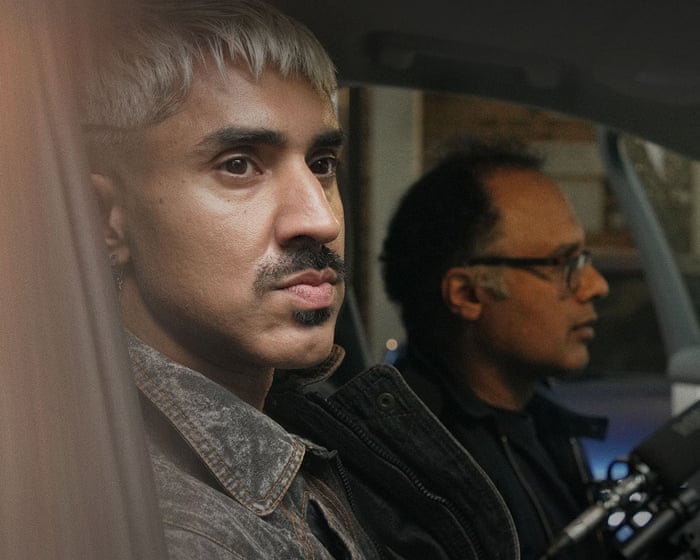
Azhar works with the older documentarist Masood Khan, the programme's co-director, who often films from the passenger seat during driving sequences. The review describes the film as a fascinating discussion that tackles hard topics other journalists would avoid.
Voices from the community
Azhar visits Salma Yaqoob at her Birmingham home. Yaqoob says her political career began after she was spat at in the street soon after 9/11, and in 2003 she helped organise the biggest political demonstration in British history, against the coming invasion of Iraq. She recalls the hope of that day, and when Azhar notes her weary look, she says the fire is still the same.
In Bradford and Luton, community leaders Alyas Karmani and Farasat Latif, who work to deradicalise local Muslim men, accuse Azhar of fanning Islamophobia by helping to boost an unrepresentative fringe. Latif says such people were given a mainstream platform because they fed the post-9/11 and 7/7 narrative of a huge Islamic threat.
The problem is the disproportionate publicity these people got.
— Farasat Latif
Media and radicalisation
In Lowestoft, Azhar meets Ivan, a reformed former organiser for the far-right English Defence League. Ivan says the EDL used the 2007 Dispatches film Undercover Mosque and Stacey Dooley's 2012 BBC documentary My Hometown Fanatics as recruitment videos, and that he was radicalised by media appearances of the preacher Anjem Choudary, now serving a life sentence for running a banned terrorist organisation.
The film's closing scenes show Azhar and Khan debating those choices with sad exhaustion. Azhar says he felt worn down by the events of 2017, when attacks at Westminster Bridge, London Bridge and the Manchester Arena were followed by a retaliatory attack on a north London mosque. In 2026, as Stephen Yaxley-Lennon, also known as Tommy Robinson, agitates against Islam in London, Khan does not go to cover it, to Azhar's angry dismay.