Did Republican efforts to redistrict the House turn into a dummymander?
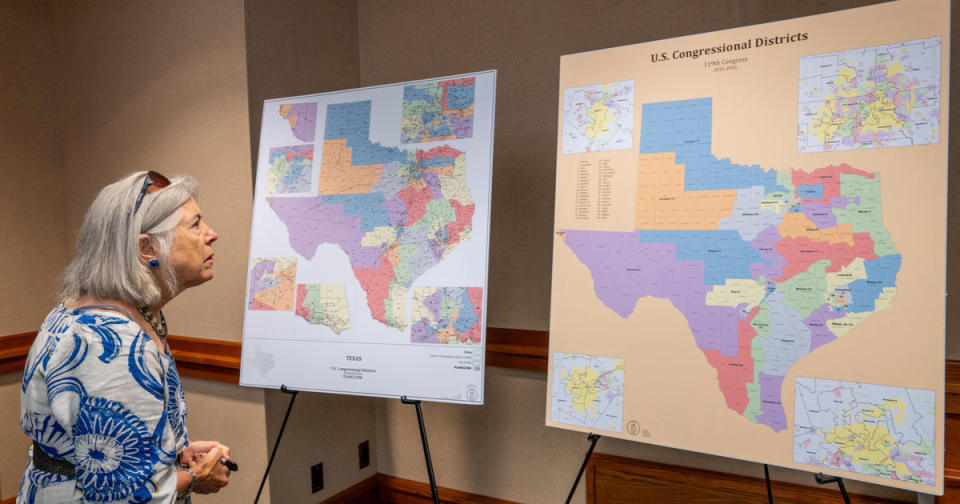
Republicans undertook a historic effort to redraw several states' Congressional districts mid-decade in an attempt to maintain control of the House.
Key points
- Republicans redrew districts in several states mid-decade but were on track to lose every seat they targeted.
- Democrats won House control, with CBS News estimating 251 to 268 seats.
- Analysts call the outcome a possible "dummymander," where gerrymandering benefits the other party.
Republicans launched a historic mid-decade redistricting effort in several states to hold the House, but the push was rebuffed on Tuesday night as the GOP was on track to lose all the districts it tried to gerrymander. Democrats won control of the House, with CBS News estimating they could end up with 251 to 268 seats.
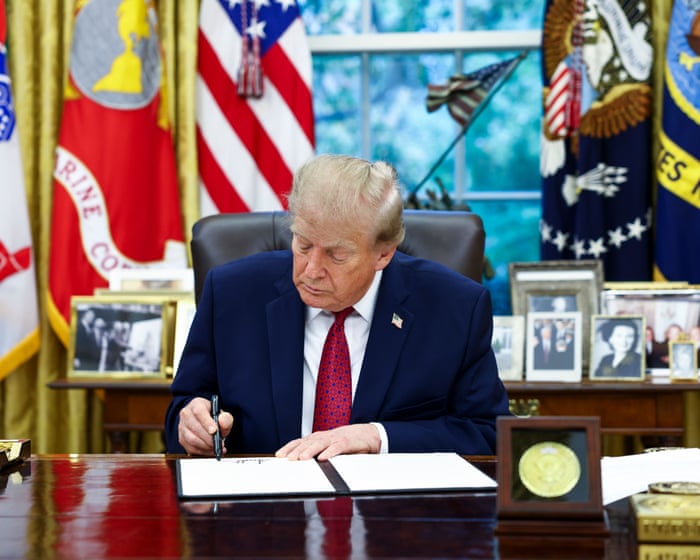
The effort began when President Trump ordered Texas lawmakers to redraw their map to net up to five seats. With Democrats also acting in some states to counter the GOP, Republicans now face the possibility of having created a so-called "dummymander," in which a party tries to gerrymander but ends up benefiting the other party.
Where the maps fell short
In Texas, Republicans sought five more seats but ended with 24 to the Democrats' 14, making it a dummymander. Ohio's Republican-led commission targeted seats held by Reps. Marcy Kaptur and Greg Landsman, but seven Democrats won and Republicans took only seven districts.
North Carolina Republicans tried to oust Rep. Don Davis; four Democrats had won and CBS News estimated five more were likely Democratic, with no Republican wins yet. In Louisiana and Alabama, maps drawn after a June Supreme Court ruling on the Voting Rights Act did not net Republicans seats, and both incumbents in Alabama's majority Black districts won reelection.
dummymander
— CBS News
Other states and Democratic gains
Tennessee, Florida and Missouri saw similar outcomes or unresolved races that could make them dummymanders. In Indiana and South Carolina, redistricting measures failed in state senates, and Rep. Jim Clyburn won reelection.
California's Democratic Gov. Gavin Newsom put forth a ballot measure to gain five seats for Democrats, which voters approved. In Utah, a court-selected map created a Democratic-leaning Salt Lake City district won by Ben McAdams, while Virginia's court-rejected map left 2021 boundaries in place. Maryland voters passed Question 3, which removes compactness and connectivity requirements, likely letting Democrats redraw to target the state's sole GOP representative.