Different ways to win - what Rugby League World Cup success looks like
Some teams have their eyes on a trophy - others are prioritising longer-term gains. BBC Sport assesses a Rugby League World Cup that comes at a pivotal time for the international game.

Key points
- The Rugby League World Cup begins Thursday with Australia vs New Zealand in Sydney.
- England's men aim for a second final since 1995 under new coach Brian McDermott.
- Wales' wheelchair squad raised over £10,000 via crowdfunding after losing a sponsor.
The Rugby League World Cup starts on Thursday with the men's competition, as reigning champions Australia face New Zealand in Sydney. The women's and wheelchair tournaments also begin this week, with Australia hosting most matches and Papua New Guinea and New Zealand staging some games.
England's men, under new head coach Brian McDermott, begin their campaign against Tonga on Saturday. McDermott said, "Do I believe we can win? It's not a no."
England's men and women
England's men are in a combined Pool B-C with Tonga, France and Papua New Guinea, from which the top two reach the semi-finals. McDermott's squad includes 10 NRL-based players, such as Herbie Farnworth and Victor Radley. McDermott emphasized the need for smarter attack, saying, "We have got to do things differently."
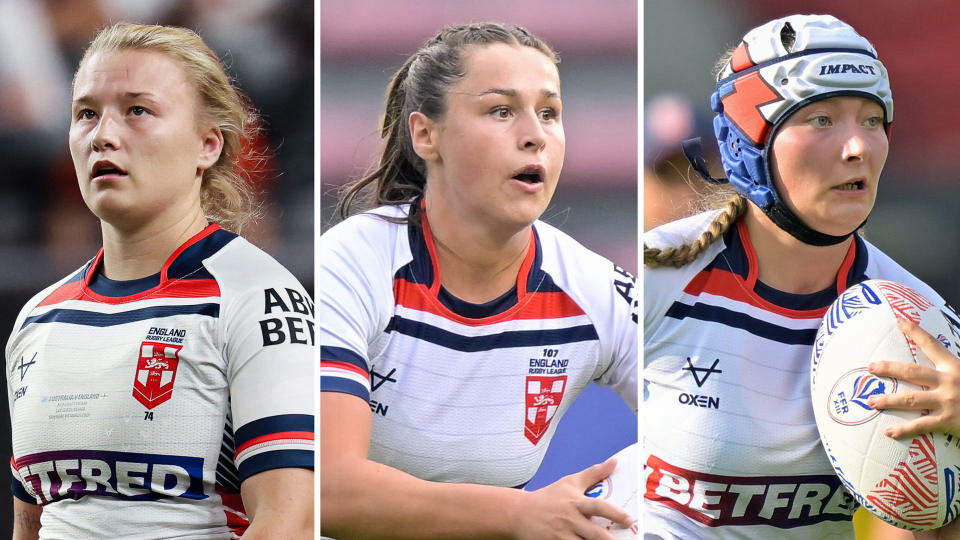
England's women, ranked third, face world champions Australia in Group A, along with Wales and Samoa. Head coach Stuart Barrow has a youthful squad, with only six players remaining from the team that lost 90-4 to Australia in March 2025. Jodie Cunningham, 34, is playing in her fourth and final World Cup.
I don't think the future of the game rests on this World Cup
— Brian McDermott
Wheelchair and home nations
England's wheelchair team, seeking a third title, start against Wales on Friday, 30 October. Head coach Tom Coyd has included five World Cup winners in his 10-player squad. Luis Domingos said, "I'm confident we can win but I'm more excited about creating that memory."
Wales' women make their World Cup debut but are rank outsiders in a group with Australia, Samoa and England. Most of the squad are taking unpaid leave, and the wheelchair team raised over £10,000 via crowdfunding after losing their front-of-shirt sponsor. Ireland and Scotland also compete in the wheelchair tournament.