
Earth’s center is moving, and NASA just measured it
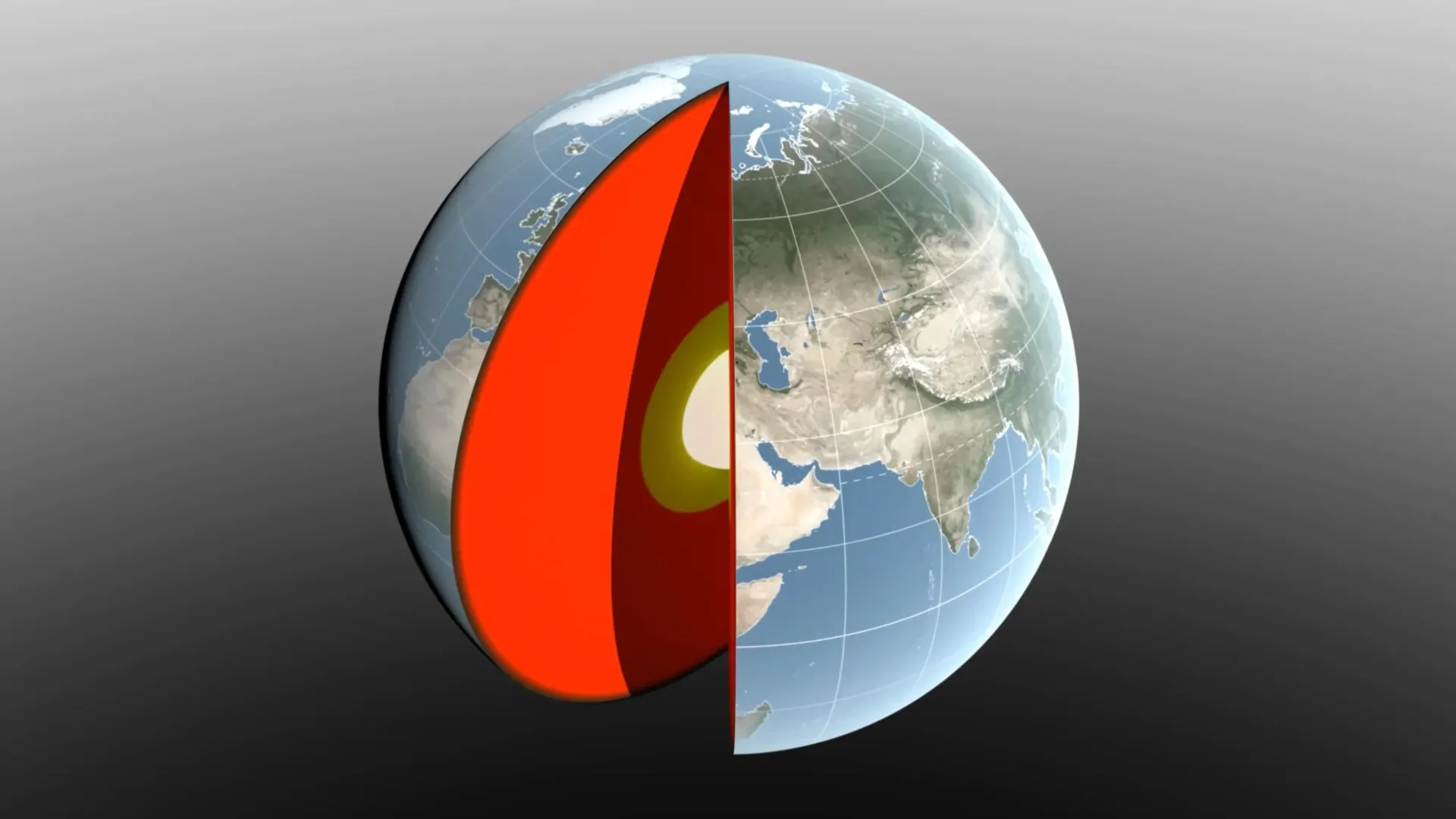
Earth’s center of mass is constantly on the move, shifting by a few millimeters as enormous amounts of water, ice, and even air migrate around the planet with the seasons. NASA scientists have developed a more precise way to track these tiny swings using laser-ranging satellites, GPS data, and measurements of how water and ice deform Earth’s crust.
Key points
- NASA's Jet Propulsion Laboratory led a new study in Geophysical Journal International measuring seasonal shifts in Earth's center of mass.
- The research found the annual movement of Earth's center of mass is about half of what was believed eight years ago.
- The shifts are driven by seasonal changes in oceans, atmosphere, and continental water, including snow, Amazon rainfall, and Southeast Asian monsoon water.
NASA scientists have developed a new method to measure how Earth's center of mass moves with the seasons. The research, led by NASA's Jet Propulsion Laboratory in Southern California, was published in Geophysical Journal International.
Earth's center of mass shifts by fractions of an inch as water, ice, and air redistribute weight around the planet. The new technique uses precise satellite tracking to measure these movements more accurately than before.
What the study found
The study found that the annual movement of Earth's center of mass is about half of what was believed eight years ago. The two most recent international estimates, from 2017 and 2023, differed by 0.27 inches (7 millimeters).
The researchers traced the seasonal movement to three main sources: oceans, the atmosphere, and continental water. Snow accumulation in March shifts the center about 3 millimeters toward the North Pole, while Amazon rainwater in April pulls it 2.2 millimeters toward South America.
We're now estimating the size of the movement of Earth's mass center back and forth each year to be about half of what we believed it to be eight years ago.
— Donald Argus
How the measurement works
The new approach combines laser measurements from the LAGEOS satellites with GPS tracking and orbital data from low Earth orbit satellites. It also accounts for how the changing weight of water and ice bends Earth's crust, moving ground stations slightly.
The mass estimates agree with observations from the GRACE-FO mission, a NASA and German Research Centre for Geosciences partnership launched in 2018. The next mission, GRACE-C, is targeting a launch in late 2028.


