Elice's huge stock swings show AI's spending boom is getting more investor scrutiny
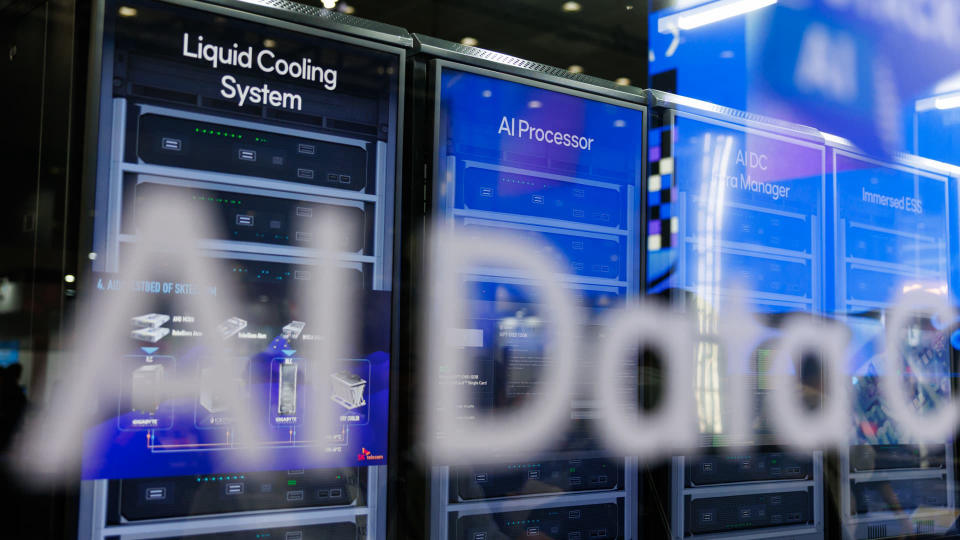
The AI boom is entering a more unforgiving phase, as investors question whether the billions poured into data centers will translate into sustainable profits.
Key points
- Elice shares fell 32% in their Seoul trading debut Tuesday, then rebounded about 30% on Wednesday.
- Analysts say investors now question whether heavy AI spending will produce adequate returns.
- Asian tech markets are seen as more exposed to AI hardware and memory-chip demand.
South Korean AI infrastructure provider Elice fell 32% in its trading debut in Seoul on Tuesday, despite raising 201 billion won ($151 million) in an IPO priced at the top of its marketed range. The stock rebounded by about 30% on Wednesday. Elice is a neocloud company, offering cloud infrastructure dedicated to AI workloads.
The swing is being read as a sign that investors are scrutinizing AI expansion plans and paths to profitability more closely, as spending on data centers grows and borrowing costs rise.
Analysts on the shift
Dan Ives of Yorkville Ives called it "a gut check moment in the tech trade," saying investors are trying to separate winners from losers. He added that patience is wearing thin, especially for companies carrying major debt.
Billy Leung of Global X ETFs said the market has moved from treating large capex announcements as positive to asking who can earn an adequate return on that capital. He said neocloud providers expanding faster than they generate cash, particularly those reliant on external financing, are most vulnerable.
Patience is wearing thin and scrutiny will be elevated especially for those taking on a major debt load like some of the neoclouds
— Dan Ives
Pressure across Asia
John Blank of Zacks Investment Research called CoreWeave "the poster child of this whole thing" and pointed to widening credit spreads as evidence of broad market stress. He said U.S. semiconductor and AI plays are overbuilt, and South Korea even more so.
Leung said Asia is more directly geared to AI hardware and memory, so Korea and other North Asian markets feel doubts about AI capex disproportionately. He said rising earnings estimates in South Korea and Taiwan suggest the selloff reflects weaker sentiment rather than a collapse in demand.
HSBC CEO Georges Elhedery said lenders and investors must judge data-center projects more carefully, citing the quality of tenancy agreements and contract pricing.