
FDA-approved epilepsy drug may help reverse osteoarthritis damage
Researchers at Yale have identified a promising new approach to osteoarthritis that could do more than simply ease pain. The epilepsy drug lacosamide appears to block a protein involved in both pain signaling and cartilage destruction, helping damaged joints shift back toward repair in preclinical studies.
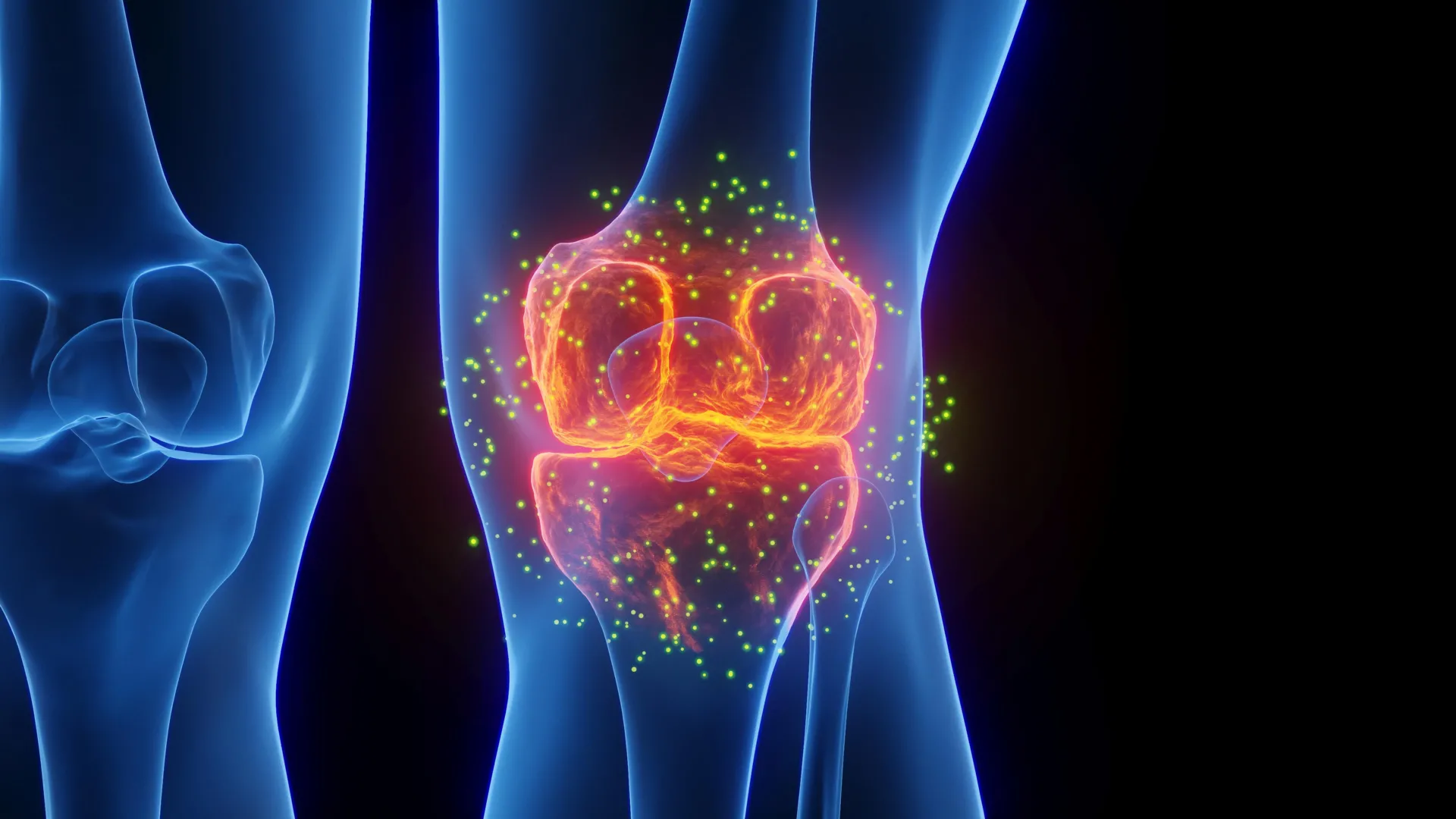
Key points
- Yale researchers found that the epilepsy drug lacosamide can reduce osteoarthritis joint pain and reverse cartilage damage in preclinical studies.
- The drug works by blocking the Nav1.7 sodium channel protein, which becomes overactive in osteoarthritis and drives both pain and cartilage breakdown.
- Delivering lacosamide directly into the joint via a temperature-sensitive Collagen II hydrogel kept it active for a month or longer and worked better than daily oral doses.
New research from Yale suggests that lacosamide, a drug already approved to treat epilepsy, may both relieve osteoarthritis pain and reverse cartilage damage. In a study published in Bioactive Materials, scientists found the medication produced these effects, especially when injected directly into the joint using a specialized hydrogel.
Osteoarthritis disrupts the balance in which chondrocytes, cells that maintain cartilage, replace old tissue. When cartilage breaks down faster than it can be rebuilt, bones can eventually rub against each other, and some patients may need joint reconstruction such as a total knee replacement.
How the drug works
The research centers on Nav1.7, a protein that acts as a sodium channel and helps control electrical signaling in cells. It was long thought to work mainly in nerve cells that transmit pain, but work by Liu's team showed it is also highly active in chondrocytes.
Nav1.7 is relatively quiet in healthy joints but becomes much more active in osteoarthritis, intensifying pain signaling and pushing chondrocytes to break down cartilage. Liu said blocking this single protein could quiet pain nerves and tell cartilage cells to stop breaking down and start repairing.
We need therapies that don't just mask pain but actually change how the disease progresses.
— Chuan-Ju Liu, PhD
Hydrogel delivery approach
Rather than create a new drug, the team tested existing sodium channel inhibitors. Lacosamide produced strong effects at lower concentrations and had a better safety profile than older drugs in its class. Its cartilage effects depended heavily on dose, with an ideal low concentration encouraging cartilage-building proteins while suppressing tissue breakdown.
Because oral drugs circulate throughout the body, the researchers tested intra-articular injection. To stop the knee from clearing the drug within hours, they made a temperature-sensitive hydrogel from Collagen II that stays liquid in a cool syringe and firms up at body temperature, acting as a local reservoir that releases lacosamide over several weeks.
In preclinical studies, one injection of the gel every four weeks prevented cartilage loss more effectively than a daily oral dose. Lacosamide is already approved for use in people and has been tested in humans for certain nerve-related pain conditions caused by Nav1.7 mutations.


