Fridges in French supermarkets hit by cyber attack
Hundreds of stores were targeted by the overnight hack, which spoiled fresh and frozen food estimated to be worth millions of euros.
Key points
- Hackers took control of Danfoss refrigeration software, causing supermarket cold units in France to heat up and stay hot.
- About 400 of France's roughly 15,000 supermarkets were affected, including Coopérative U, Intermarché, Netto, Carrefour, Monoprix and E.Leclerc.
- French prosecutors opened a cyber-crime investigation, and some stores discarded affected food over health risks.
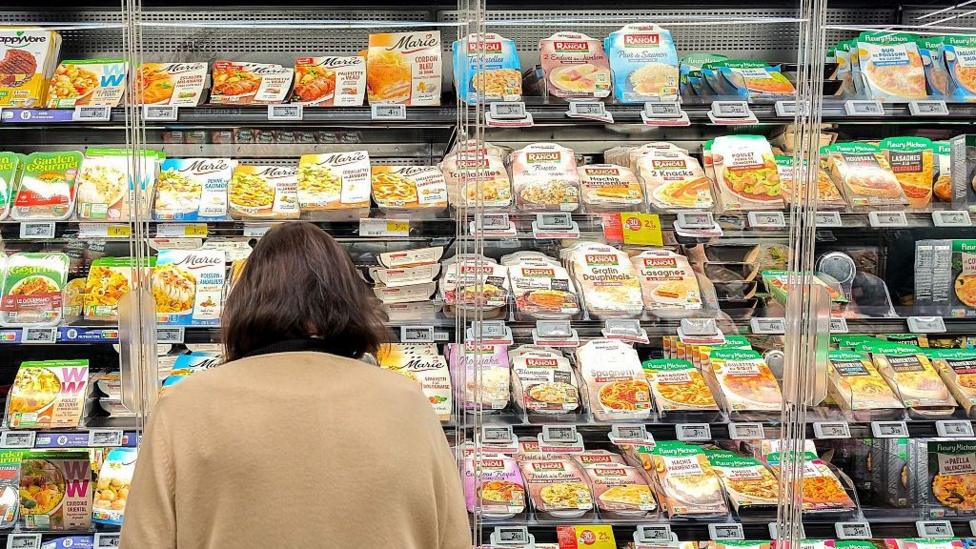
Hackers gained control of the software regulating temperatures in supermarket refrigeration units in France, forcing some to warm up and stay hot, according to affected chains. The attack targeted software provided by Danish engineering firm Danfoss, which lets retailers manage cold units remotely.
More than 100 Coopérative U supermarkets were targeted, along with 180 stores from Intermarché and its Netto brand. A spokesman said another 100 shops were urgently disconnected from the internet to prevent the same thing from happening to them. Carrefour, Monoprix and E.Leclerc were also hit.
What Danfoss said
Danfoss said the affected cold units were older models whose security software could not be updated to ward off a risk the firm had identified. It added that it had "long advised" businesses to keep supported systems up to date.
The company said reliable refrigeration is critical to its customers' operations and that it remains committed to supporting them in maintaining secure and reliable systems.
Food security requires more attention at all levels. Because the weaponisation of food has become a reality.
— European Food Commissioner Christophe Hansen
Impact and investigation
The full scale of the attack is unclear, but figures from individual chains suggest about 400 stores were affected out of roughly 15,000 in France. Carrefour said fridges in 80 of its 6,000 stores were hacked, while Monoprix said 5% of its 400-plus stores were hit, with food removed from sale if its condition could not be guaranteed.
Intermarché said its fridges heated to 50C for six hours overnight into Monday and that all affected food was thrown away to avoid health risks. French prosecutors have opened a cyber-crime investigation, and European Food Commissioner Christophe Hansen said food security needs more attention because the weaponisation of food has become a reality.