How oil-rich Alberta's economy might fare if it broke away from Canada
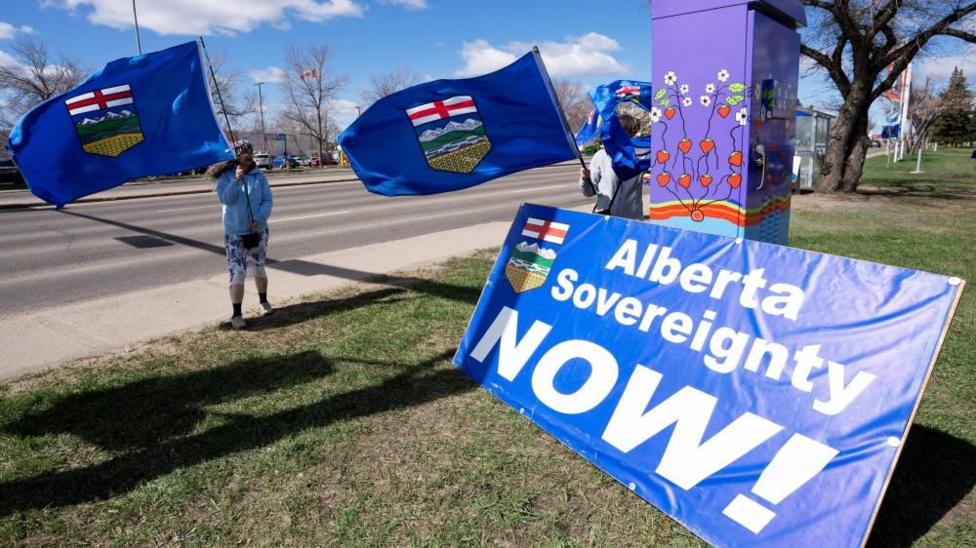
Albertans vote this month on staying in Canada or moving ahead to a binding independence referendum.
Key points
- Alberta will hold a referendum on 19 October asking whether to stay in Canada or move toward independence.
- Separatists say an independent Alberta could save up to C$47bn annually in federal payments and run surpluses of C$24bn to C$46bn.
- Premier Danielle Smith, who opposes independence, warns of C$400bn in transition costs and a possible 5.8% drop in disposable income.
Alberta will hold a referendum on 19 October asking residents whether to remain in Canada or take steps toward a binding independence vote later. The result is seen as a major test of Canadian unity, with the central question being whether an independent Alberta would be economically better off.
The province has the world's fourth-largest oil reserves, the highest GDP per capita in Canada, and has not received federal equalisation payments since 1965. Independence supporters say Alberta has been short-changed by Ottawa and could keep more oil and gas wealth at home.
What supporters project
The Alberta Prosperity Project, a leading pro-independence group, estimates in its fiscal plan that Alberta could save up to C$47bn a year by ending federal tax payments. It acknowledges new costs for defence and diplomacy of up to C$31.6bn annually, plus existing provincial expenses like healthcare and education of about C$75bn.
After those costs, the group projects an annual surplus of C$24bn to C$46bn. It says the money could fund personal tax cuts of more than C$10,000 a year, infrastructure, or the provincial wealth fund. Independence supporter Keith Wilson argues Alberta has a unique resource economy with products the world wants.
We're a resource economy. We have leverage. We have products the world wants. That's why investment comes here, despite the constraints imposed by Ottawa.
— Keith Wilson
Warnings from opponents
Premier Danielle Smith, who opposes independence, says separation could cost C$400bn in transition costs alone and lead to lost investment and trade. A government-commissioned report this month put separation costs at C$50bn to C$170bn over five years, with a highly unpredictable long-term outlook.
The report says a new country would need to create tax and security agencies, a constitution, legal and court systems, and pension plans, and negotiate the division of federal assets such as national parks and military bases. Former Alberta finance official Lennie Kaplan notes that Alberta would also take on a share of Canada's national debt.
The CanadaWest Foundation estimates additional debt of C$258bn to C$333bn. With projected GDP losses, it says separation could reduce Albertans' disposable income by 5.8% on average. Polling shows around 20% to 25% of Albertans support moving ahead with a binding separation referendum.