In Michigan, consumer sentiment is pessimistic before midterms
Due to high fuel and housing costs, and wages that aren't keeping pace with inflation, consumer sentiment is lower than at almost any other time in modern history. CBS News spoke with Michiganders to find out how the economy is playing on the minds of voters.
Key points
- Consumer sentiment in Michigan is lower than almost any time in modern history, a University of Michigan survey shows.
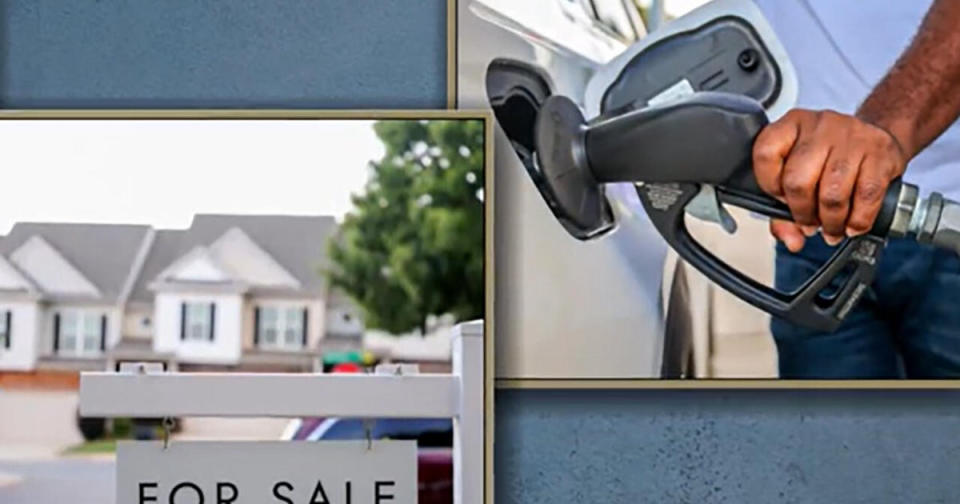
- Grocery prices rose more than 4% in two years, gas is up 35%, and 30-year mortgage rates are projected above 7%.
- The share of consumers expecting wages to outpace inflation fell from 18% to 11% in September.
Voters in Michigan are feeling downbeat about the economy three weeks before Election Day, according to interviews at the Franklin Cider Mill in suburban Detroit and a long-running University of Michigan survey. Several visitors described financial strain, with high school principal Jeffrey Robinson saying of the economy, "It sucks."
Joanne Hsu, who runs the university's consumer sentiment survey, which dates back to 1946, said sentiment is lower than almost any other time in modern history. She said that includes the mid-1970s stagflation era, the 2008 financial crisis and the post-COVID price spikes under the Biden administration.
Prices outpace wages
Hsu said sentiment has declined across all walks of life since the start of the Iran conflict, and that Democrats, Independents and Republicans all feel worse about the economy than in the first Trump administration. She said people feel bad despite a strong stock market and rising wages because wages are not keeping up with inflation. The share of consumers expecting their wages to grow faster than inflation fell from 18% a year-and-a-half ago to 11% in September.
Hsu said sentiment rose when Trump was reelected two years ago, but he has not delivered on his promise to quickly defeat inflation. Grocery prices rose more than four percent in the past two years, according to the Bureau of Labor Statistics; gas prices are up 35 percent, according to AAA; and 30-year fixed mortgage rates are projected to stay above seven percent through next year, according to Freddie Mac.
The average public is paying a price.
— Jeffrey Robinson
Housing and voter mood
Real estate agent Michael Perna said a Northville house that normally would have sold in a week has been listed for more than a month. He said rates rose from about 6.5 percent to 7.5 percent, cutting what buyers can afford by $50,000. Perna said many people, himself included, have a bad attitude about the economy.
At the cider mill, views were mixed. One woman criticized Trump's tariffs for raising prices but said she thinks they are needed long term to bring manufacturing jobs to the U.S. Another man said Trump did not keep his promise on the economy.