It’s not just you: Durable goods are getting less reliable, from sputtering cars to glitching smart TVs
A wide swath of consumer products are becoming less reliable and durable, even as their prices rise, research shows.
Key points
- Owners of 3-year-old cars reported 204 problems per 100 vehicles as of Feb. 12, the highest since 2022.
- Dishwashers and front-load washers averaged 92 and 91 problems per 100 units as of Oct. 29.
- Just over three-quarters of Americans believe companies often sell lower-quality products at higher prices, a May 2025 poll found.
Durable goods such as cars, appliances and electronics are becoming less reliable across the United States, according to J.D. Power reports cited by CNBC. Owners of 3-year-old vehicles reported an average of 204 problems per 100 vehicles as of Feb. 12, the highest level since 2022. Dishwashers and front-load washers also averaged 92 and 91 problems per 100 units respectively as of Oct. 29.
Consumers have noticed the decline. Just over three-quarters of Americans say they believe companies often sell lower-quality products and services at higher prices, according to an Axios and Harris Poll survey published in May 2025.
Price and quality trade-offs
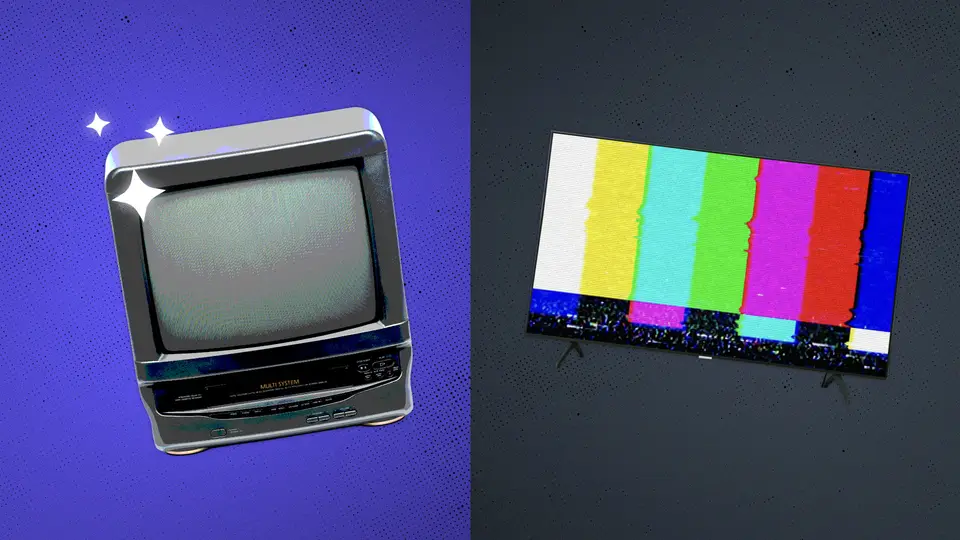
Reliability and durability are not the only measures of quality, as aesthetics and performance also matter to consumers. Justin Sirotin, an industrial design professor at the Rhode Island School of Design, said a television today may not last as long as older models but is probably larger, thinner and has better picture definition, and likely costs much less when adjusted for inflation. The average price of a television was roughly $622 in 1996 adjusted for inflation, while a 55-inch LCD model now costs $232 on average.
A 2025 Deloitte report found that penny-pinched consumers are focusing more on high-value products that perform consistently and reliably than on price. Some products may have a "planned obsolescence," where businesses intentionally give goods a certain lifespan so customers need to buy replacements within a predictable timeframe, though Sapp says it is hard to prove any individual company does this purposefully. In 1924, major light bulb manufacturers formed an international coalition and agreed to standardize the lifespan of incandescent bulbs to 1,000 hours; the cartel broke up during World War II.
It takes a lot of intentionality by the consumer to say, 'OK, well, is this chair really a chair that I want to have for 25 years?'
— Justin Sirotin
Repair challenges and advice
Consumers can try extending the longevity of products by paying to repair them, but devices like vacuum cleaners and headphones require increasingly specialized tools and labor, says Shahram Mokhtari, lead teardown technician at iFixit. The Federal Trade Commission reported in May 2021 that specialized screws, glued components and limited access to repair information can make some products difficult or impossible to fix. Europe has right-to-repair regulations requiring manufacturers of certain products to provide access to replacement parts, tools and information, while only nine U.S. states have similar legislation for consumer electronics.
Mokhtari recommends looking up reviews or researching whether a product is complicated to fix before buying. Sirotin notes that consumers with the budget can prioritize higher-priced products that might bring both initial quality and long-term longevity, which may require intentional long-term planning even as online shopping makes impulse buying easier.