
NASA is searching for hidden caves to build its first Moon base
NASA is preparing for humanity’s first Moon base with three investigations that will hunt for underground shelters, uncover hidden ice, and track dangerous conditions on the lunar surface. The findings could reveal how astronauts can survive and thrive on the Moon while laying the groundwork for future journeys to Mars.
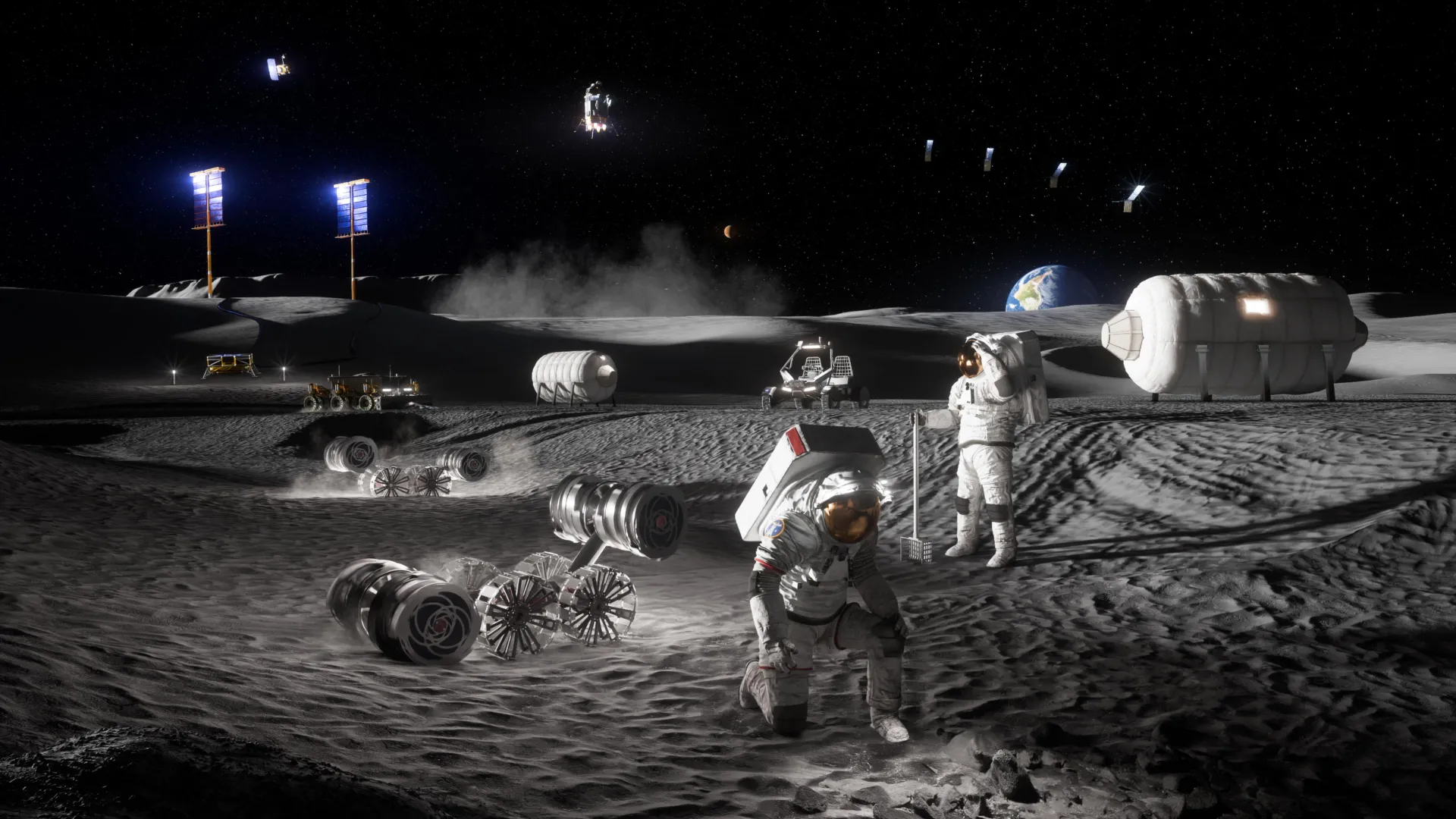
Key points
- NASA has selected three scientific investigations through its PRISM program to support its first Moon base.
- The investigations will search for underground caves, hidden lunar ice and environmental hazards.
- The payloads will be delivered to the lunar surface through NASA's CLPS initiative.
NASA has chosen three scientific investigations to help prepare for humanity's first Moon base. The selections were made through the agency's Payloads and Research Investigations on the Surface of the Moon (PRISM) program, and the instruments will reach the lunar surface through the CLPS (Commercial Lunar Payload Services) initiative as part of NASA's Moon Base Program.
Each investigation targets a different obstacle to living on the Moon: natural underground shelter, hidden ice deposits and environmental dangers. NASA says the findings will support its Artemis and Moon Base programs and its longer-term goal of sending humans to Mars.
What officials said
Nicky Fox, associate administrator of NASA's Science Mission Directorate, said the selections would help the agency minimize risks to astronauts while pursuing its goals. Brad Bailey, director of the Exploration Science Strategy Integration Office in the same directorate, said each PRISM selection strengthens the ability to deliver ambitious science to the lunar surface.
NASA Science is building the ultimate interplanetary survival guide to ensure that science goes first to the lunar surface
— Nicky Fox


