
NASA spots a giant patch of Moon-like rock on Earth
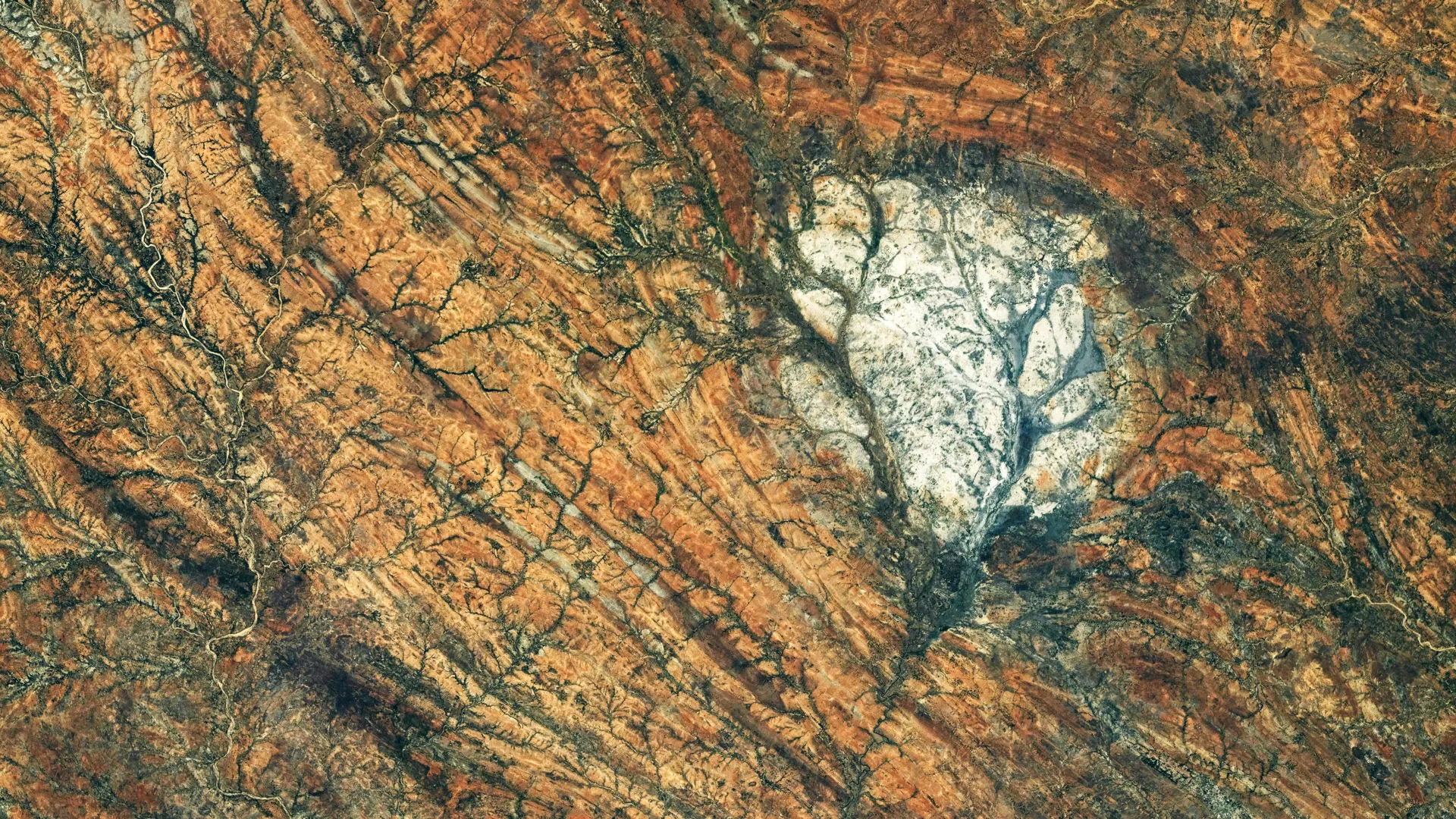
An astronaut aboard the International Space Station photographed a remarkable formation in Madagascar that looks surprisingly similar to the Moon’s bright highlands. Made of anorthosite, a rock abundant on the lunar surface, the formation dates back at least 600 million years and bears the scars of ancient continental collisions.
Key points
- An astronaut photographed the Saririaky anorthosite massif in southern Madagascar on August 28, 2026.
- The formation covers about 100 square kilometers and dates to at least 600 million years ago.
- Anorthosite is common on the Moon and helps scientists study lunar history.
A bright, unusual patch of rock in southern Madagascar has a surprising connection to the Moon. The formation, known as the Saririaky anorthosite massif, stands out against the surrounding dry landscape when viewed from space. An astronaut aboard the International Space Station photographed it on August 28, 2026.
Anorthosite is an igneous rock that makes up much of the Moon's bright, reflective highlands. These light-colored regions are visible to the naked eye from Earth. The rock is not exclusive to the Moon and also occurs in eastern Canada, Scandinavia, southern India, and Madagascar.
Formation and geological history
The Saririaky massif is an intrusive igneous rock, formed when molten material cooled and solidified beneath Earth's surface. This slow cooling allowed large crystals to develop. Research suggests the formation originated during the late Precambrian, at least 600 million years ago. Today, the exposed rock covers approximately 100 square kilometers.
The massif lies within a ductile shear zone, where rocks underwent intense deformation under high temperatures and pressures. Long, roughly parallel geological features extending north to south record this deformation. Scientists believe much of it occurred as ancient landmasses collided during the formation of the supercontinent Gondwana.
The Saririaky formation offers another striking example of the geological similarities between Earth and its nearest celestial neighbor.
— NASA Earth Observatory
Possible connection to nearby massif
Some researchers have suggested that a second anorthosite massif, located about 60 kilometers north of Saririaky within the same shear zone, was once connected to it. According to this interpretation, the original rock body was stretched and separated by tectonic forces, a process known as boudinage.
If correct, the two formations preserve evidence of the tremendous forces involved in assembling one of Earth's ancient supercontinents.
Importance for lunar research
The Moon's anorthosite-rich highlands are more than 4 billion years old. Scientists believe these rocks formed early in lunar history, when much of the young Moon was covered by an enormous ocean of molten rock. As this magma ocean cooled, certain minerals crystallized and accumulated near the surface, helping form the Moon's early outer crust.
Apollo astronauts returned samples of lunar anorthosite to Earth. However, the quantity of available lunar rock is limited, making similar geological formations on Earth especially useful for comparison. One particularly close match occurs in Montana's Beartooth Mountains.


