
Neanderthals may have used prehistoric glue as an ancient antibiotic
Neanderthals may have used a sticky substance made from birch bark to treat wounds thousands of years before antibiotics existed. Researchers recreated ancient birch tar production techniques and discovered that every sample could inhibit the growth of bacteria responsible for dangerous wound infections. Previously known mainly as a prehistoric glue, birch tar may have doubled as a surprisingly effective natural…
Key points
- Birch tar made by Neanderthal methods inhibited Staphylococcus aureus growth in lab tests.
- Researchers recreated prehistoric tar production using underground pits and surface burning.
- The study suggests birch tar may have served as an ancient antibiotic for wounds.
Neanderthals may have used birch tar, a sticky substance made from tree bark, not only for toolmaking but also to treat wounds and fight bacterial infections. Scientists found that birch tar has antibacterial properties that could have made it useful as an ancient medicine.
The study was conducted by researchers at the University of Cologne, the University of Oxford, the University of Liège, and Cape Breton University in Canada. It was published in PLOS One under the title "Antibacterial properties of experimentally produced birch tar and its medicinal affordances in the Pleistocene."
Recreating ancient production methods
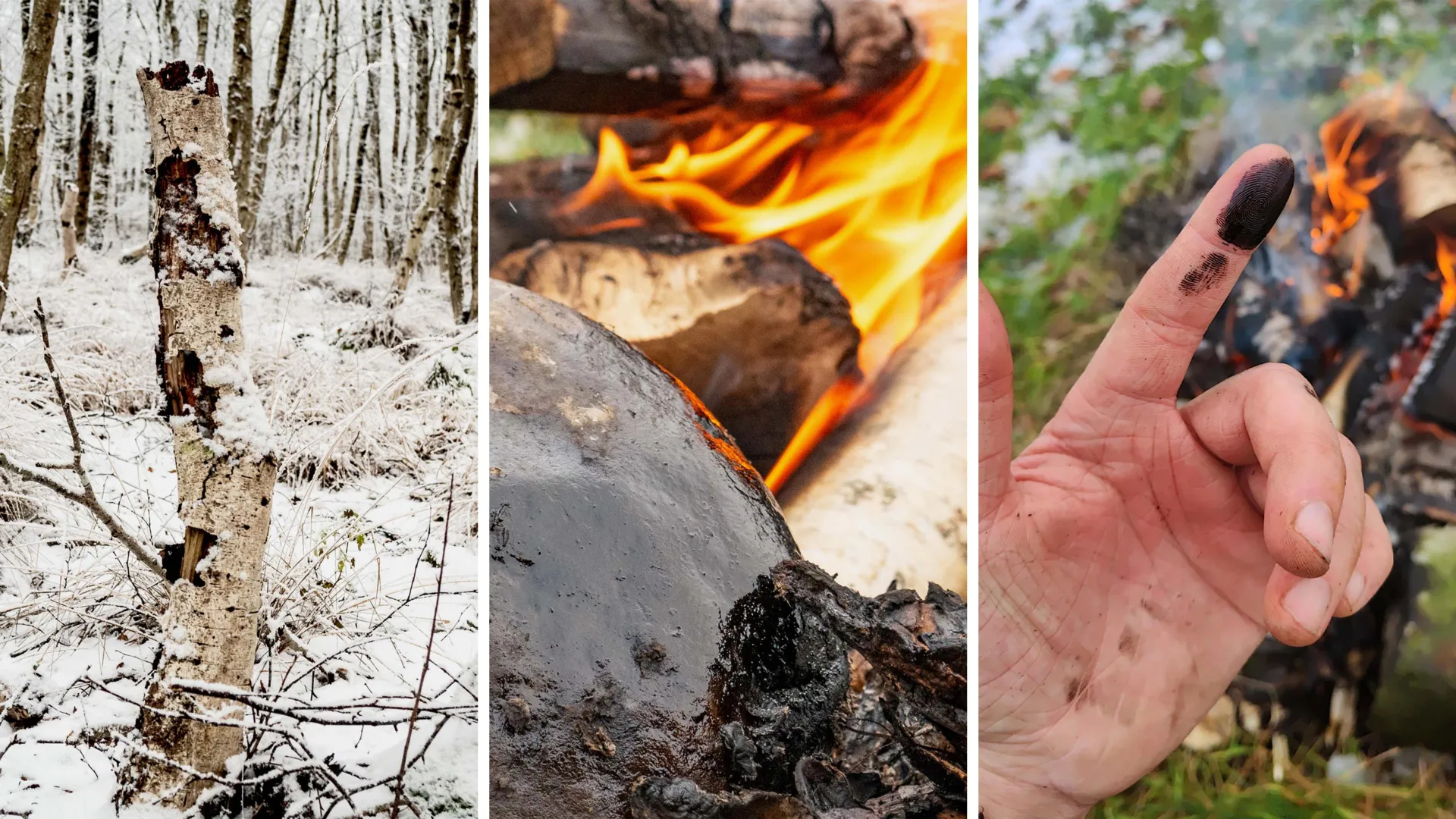
The team produced birch tar using tree species present during the Neanderthal era and techniques reconstructed from archaeological evidence. One method involved heating birch bark in a sealed underground pit with little or no oxygen, a process called dry distillation. Another involved burning bark near a stone surface so that tar vapors condensed as a sticky residue.
The findings suggest that antimicrobial properties played a role as far back as the time of the early Neanderthals and could have been used in a targeted manner.
— Tjaark Siemssen
Antibacterial activity and implications
All birch tar samples inhibited the growth of Staphylococcus aureus, a bacterium commonly linked to wound infections. The antibacterial effect appeared regardless of which prehistoric extraction technique was used. The researchers note that the experiments do not prove Neanderthals applied birch tar to wounds, but they show the material had properties useful for medical care.
The findings may also have implications for modern medicine, as antibiotic resistance grows. However, further research is needed to evaluate any potential medical applications.


