Not all trans fats are bad, major review finds
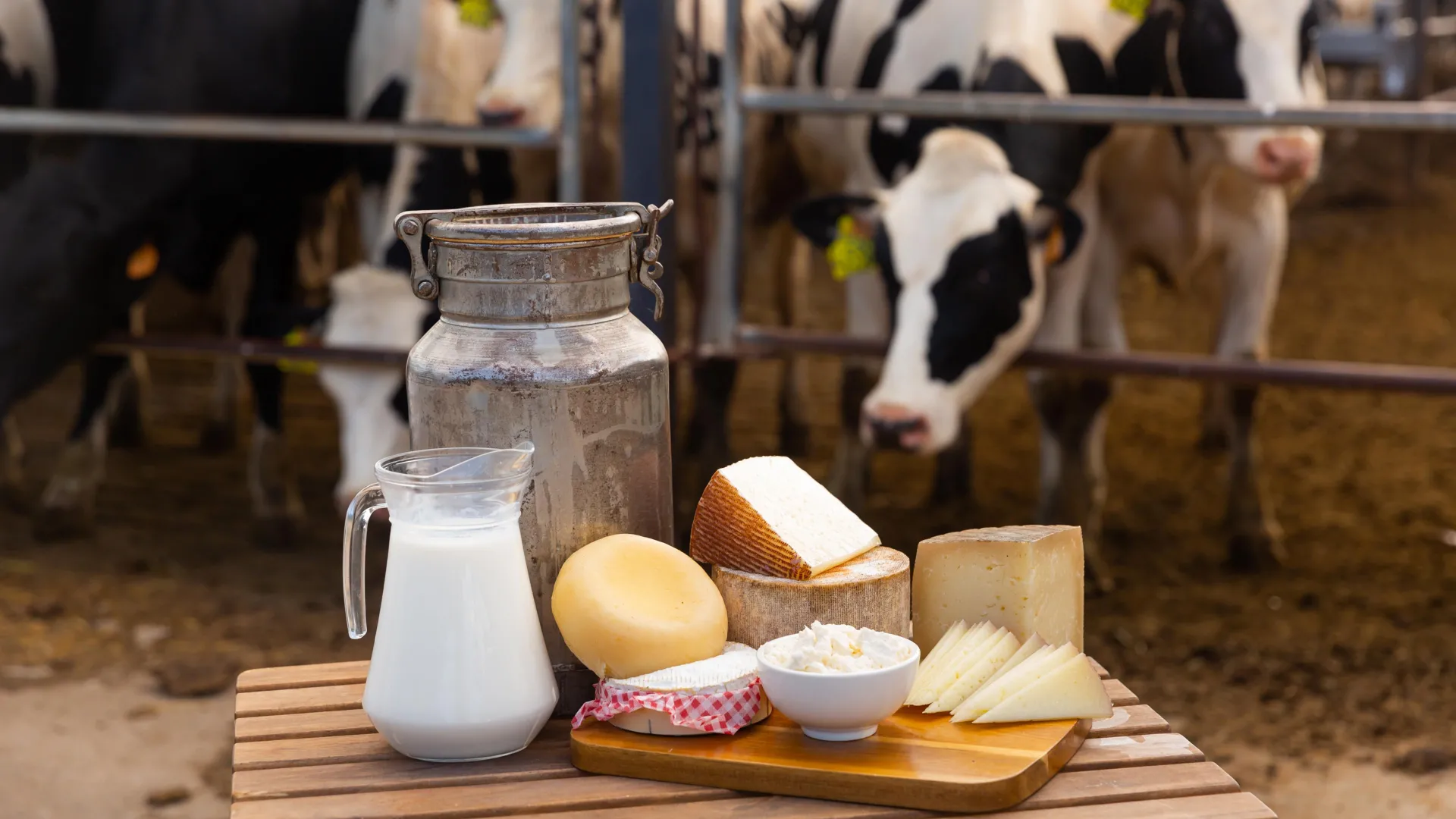
A large analysis of 22 studies found that the trans fats naturally present in dairy foods such as milk, butter, yogurt, and cheese do not appear to raise the risk of heart disease or type 2 diabetes. Unlike industrial trans fats from partially hydrogenated oils, dairy trans fats showed no meaningful harmful effects on blood fats in controlled trials and were not linked to higher rates of heart disease, stroke…
Key points
- A review of 22 studies found that naturally occurring trans fats in dairy foods do not raise the risk of heart disease or type 2 diabetes.
- Ten controlled trials showed no meaningful differences in blood lipid levels between people eating dairy with higher natural trans fats and those eating regular dairy.
- Twelve long-term cohort studies found no link between higher dairy trans fat levels and heart disease, stroke, cardiovascular death or type 2 diabetes.
A new review suggests that trans fats naturally present in dairy foods such as milk, butter and cheese do not increase the risk of heart disease or type 2 diabetes. The research, described as first-of-its-kind and published in the journal Nutrition Research, examined evidence from 22 studies involving thousands of participants in Europe, Canada and the United States.
The findings indicate that naturally occurring dairy trans fats behave differently in the body from industrial trans fats. Industrial trans fats, which can be found in some processed and fried foods, are strongly associated with heart disease, while the naturally occurring dairy forms did not appear to carry the same risk.
What the evidence showed
Researchers looked at two main types of evidence. Ten controlled dietary trials compared participants who ate dairy foods with naturally enhanced trans fat levels against those who ate regular dairy products, with intake ranging from 1.3 to 13.2 grams of trans fat per day. Blood lipid biomarkers used to assess heart disease risk showed no meaningful differences between the groups.
Twelve long-term cohort studies followed thousands of people for many years, some for more than two decades. Higher levels of dairy trans fats in participants' blood were not associated with increased risk of heart disease, stroke or cardiovascular death, nor with a greater risk of type 2 diabetes.
This research should give people reassurance that dairy, eaten as part of a balanced diet, is not something to worry about for your heart.
— Professor Ian Givens
What the authors said
Professor Ian Givens, a lead author from the University of Reading, said people hear the words trans fats and assume the worst, but the trans fats in milk, yogurt, butter or cheese are not the same as those from industrial partially hydrogenated fats. He said the research should give people reassurance that dairy, eaten as part of a balanced diet, is not something to worry about for the heart.
The study could also help consumers understand the distinction between different types of trans fats and provide clarity around labeling policies that may contribute to confusion.