Only connect: two composers who put humans at the heart of their music, and the conductor who didn’t
This week, from Reich to Kendall and Celibidache, three musicians who prove there is no such thing as “pure music”, whether we’re talking about a technique, a mode of musical expression or a musician’s legacy. Steve Reich turned 90 on Saturday, and I’ve been thinking about his early tape pieces from the mid-1960s, It’s Gonna Rain and Come Out. They’re such vital works not only because they opened his imagination to…

Key points
- Steve Reich turned 90 on Saturday, and his 1960s tape pieces set human voices like Brother Walter and Daniel Hamm.
- Hannah Kendall 'creolises' the orchestra, using items like walkie-talkies and kettles to explore slavery and capitalism.
- A new biopic of conductor Sergiu Celibidache opens in UK cinemas, while trombonist Abbie Conant's discrimination story is also highlighted.
Composer Steve Reich celebrated his 90th birthday on Saturday. His early tape works from the mid-1960s, It's Gonna Rain and Come Out, used recordings of human voices, including Pentecostal preacher Brother Walter and Daniel Hamm of the Harlem Six, to create music that was both political and emotional.
The article contrasts Reich and composer Hannah Kendall, who put human experience at the center of their music, with conductor Sergiu Celibidache, whose pursuit of musical purity came at a human cost.
Kendall's orchestral reworking
Hannah Kendall is inspired by the 'plantation machine', a phrase from Cuban writer Antonio Benítez-Rojo that describes the dehumanizing networks of the slave trade and their echoes in modern capitalism. She 'creolises' the orchestra by attaching dreadlock cuffs to string instruments and incorporating unconventional sound sources like walkie-talkies, music boxes, harmonicas and kettles.
Her works, including Shouting Forever Into the Receiver and Building a Burning House, will feature at the Barbican's Always, Already There festival this month. The world premiere of her I Have Discovered the Secret of Death with the London Symphony Orchestra follows a few days later, also at the Barbican.
We need a man for the solo trombone
— Sergiu Celibidache
Celibidache and Conant
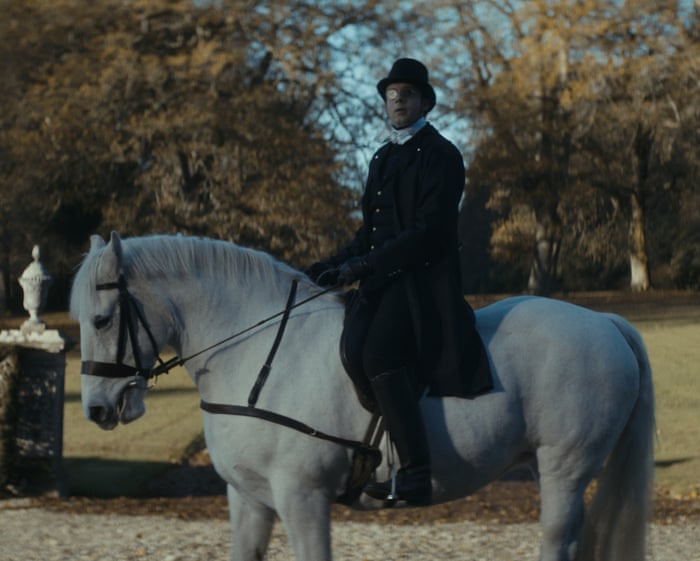
A biopic of conductor Sergiu Celibidache, The Yellow Tie, opens in UK cinemas this week. The film depicts his early career and his belief that audio recordings could not capture live performance. Celibidache died in 1996.
Trombonist Abbie Conant was appointed principal trombone of the Munich Philharmonic in 1980 after a blind audition, but was never allowed to take up the role. Celibidache, the orchestra's principal conductor, told her: 'We need a man for the solo trombone'. She was demoted, paid less than male colleagues, and bullied. After over 12 years, she won a discrimination case against the City of Munich and left the orchestra in 1993.