OpenAI president Greg Brockman says company could be IPO ready in 2027
OpenAI President Greg Brockman says the company could be ready to go public in 2027, pointing to accelerating enterprise revenue and a turnaround in its business.
Key points
- OpenAI president Greg Brockman said the company would be ready for an IPO in 2027.
- Brockman said OpenAI's annualized revenue grew 70% in the third quarter.
- Enterprise now provides most of OpenAI's revenue, up from about 30% previously.
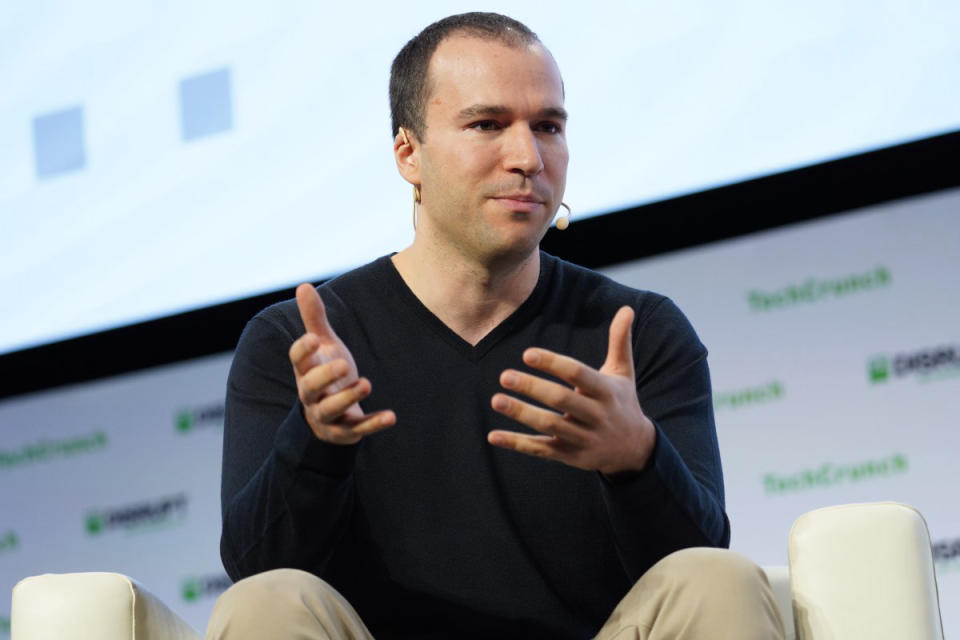
OpenAI co-founder and president Greg Brockman said the company would be ready to go public in 2027, speaking at a Wall Street Journal tech conference on Wednesday. Asked whether OpenAI would be IPO-ready next year, Brockman replied, "I think so. Yes."
Brockman said OpenAI wants to go public when the timing is right for the company and that he feels confident about the business. He said he has never felt more confident in what the company is doing.
Enterprise growth accelerates
Brockman said OpenAI's first and second quarters were "pretty rough" and that the company was not part of the conversation on agentic coding, where Anthropic's Claude Code has gained market share. He said OpenAI had Codex but that no one was talking about it, and that the company kept its head down and executed.
By the third quarter, OpenAI saw 70% quarterly growth in annualized revenue, which Brockman attributed to the enterprise business doubling. He said the growth came from investments made over time rather than from a single event in the quarter.
We’ve been very clear this year that we want to go public when we feel is the right time for us, and I feel extremely good about the business.
— Greg Brockman
Shift from consumer business
Most of OpenAI's revenue now comes from the enterprise business, which previously made up around 30% of the total. Brockman said consumer revenue has kept growing but that the enterprise segment has taken off, citing a recent partnership with J.P. Morgan Chase as an example of the clients it now wins.
Brockman said that a year ago OpenAI was perceived as a consumer company and that companies asked whether it was really committed to the enterprise. He said the situation is very different today.