Ozempic and Wegovy linked to rare risk of sudden vision loss
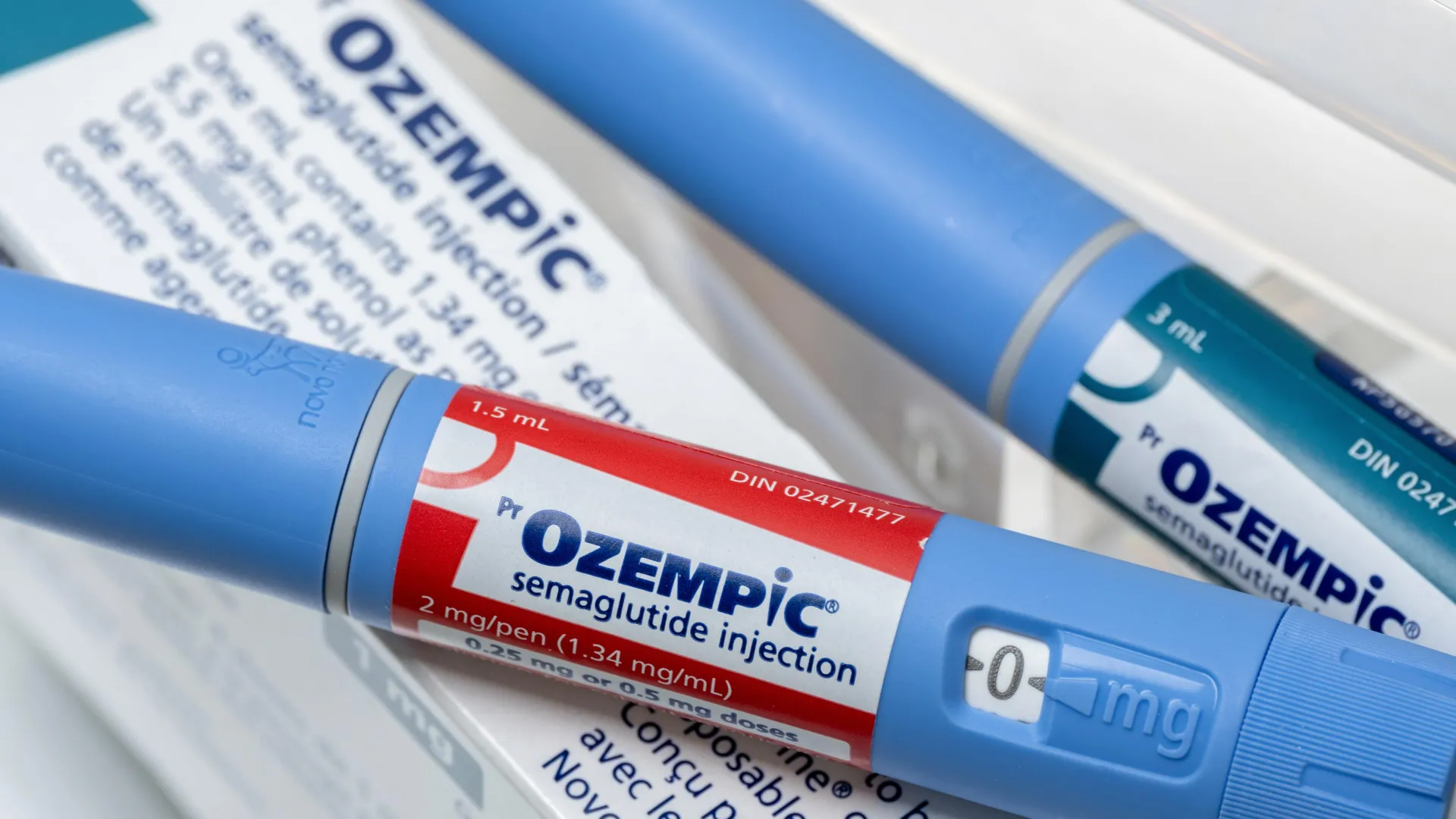
Popular diabetes and weight loss drugs such as Ozempic and Wegovy have been linked to a slightly increased risk of a rare condition that can cause sudden, potentially permanent vision loss. Although the risk remains very low, Rutgers researchers say the findings warrant attention as millions of people turn to GLP-1 medications.
Key points
- A Rutgers-led study links GLP-1 drugs including Ozempic and Wegovy to a small increase in the rare eye condition ischemic optic neuropathy.
- The risk was about three to four additional cases per 10,000 patients over 18 months, with cases more common in men and adults aged 50 to 65.
- Researchers say the findings do not prove the drugs cause the condition and call for continued safety monitoring.
A large study led by Rutgers researchers has found a possible link between widely used diabetes and weight loss drugs, including Ozempic and Wegovy, and a rare condition that can cause sudden, potentially permanent vision loss. The condition, ischemic optic neuropathy, occurs when blood flow to the optic nerve is reduced, damaging the nerve that carries visual information to the brain.
The study, published in Annals of Internal Medicine, analyzed data from a large database of US adults ages 18 to 65 with Type 2 diabetes. It focused on patients who had recently started taking glucagon-like peptide-1 receptor agonists, or GLP-1s, including semaglutide (Ozempic and Wegovy) and tirzepatide (Mounjaro and Zepbound).
What the study found
GLP-1 use was associated with a modest increase in the likelihood of ischemic optic neuropathy. Although the condition was uncommon, its potential consequences make the finding important. Cases were more common among men and adults in the older portion of the study population, ages 50 to 65.
More than 80% of cases are estimated to involve the non-arteritic anterior form, in which blood supply to the front of the optic nerve becomes insufficient. The resulting vision loss is often permanent, though about one-third of affected patients experience some recovery, usually within the first six months. The condition typically affects part of the vision in one eye, causing sudden blurriness, dimming or missing areas.
Although ischemic optic neuropathy was rare, it is clinically important because it can involve sudden vision loss.
— Chintan Dave
What researchers say
Chintan Dave, lead author and a Rutgers faculty member, said the increase in risk was small, about three to four additional cases per 10,000 patients treated with GLP-1s over 18 months, but that clinicians and patients should be aware of the potential association. He noted that most patients who developed the condition were men or men and women aged 50 to 65, and that early recognition and prompt ophthalmologic evaluation may be especially important for those at higher baseline risk.
The researchers caution that their findings do not establish that GLP-1 medications directly cause optic nerve damage. Other factors, such as differences in patients' underlying health conditions, could explain the increased risk, and more research is needed. They say the growing popularity of GLP-1 drugs makes continued safety monitoring especially important.