Pakistan has locked down Imran Khan's stronghold - but it could backfire
Some fear the government's standoff with the former PM's supporters could bring more instability, not less.
Key points
- Pakistan imposed a state of emergency in Khyber Pakhtunkhwa and suspended Imran Khan's PTI provincial government.
- The federal government said the move was needed to protect the province from terrorism.
- Analysts warned the crackdown could increase instability and backfire.
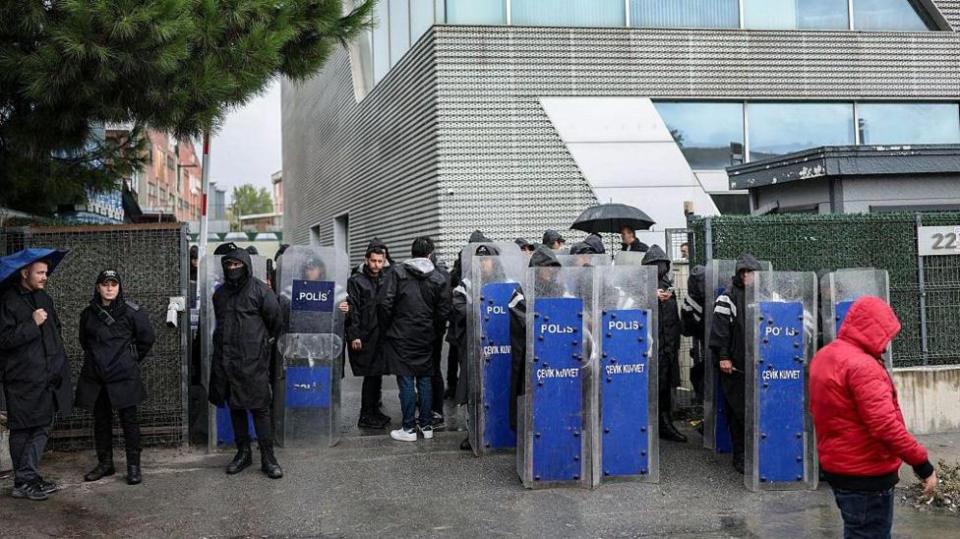
Pakistan has imposed a state of emergency in Khyber Pakhtunkhwa, the stronghold of imprisoned former prime minister Imran Khan's party, and suspended the provincial government. Schools were closed, internet services partially shut, roads blocked with shipping containers, and the army deployed to the area.
The federal government said the step, permitted by the constitution, was needed to protect the province's population from the threat of terrorism. Information Minister Attah Tarrar told journalists on Sunday that the PTI provincial government was "hand in glove with the terrorists," without providing evidence. Two days later, schools had reopened in Peshawar and most of the province, and internet services were restored.
Crackdown and protests
Police would not confirm any detentions, but a crackdown to prevent protests is clearly under way. Most PTI leaders in the province have gone into hiding. On Tuesday, dozens of PTI supporters took to the streets in Bara, Khyber district, hometown of provincial Chief Minister Sohail Afridi, with reports of tear gas shelling.
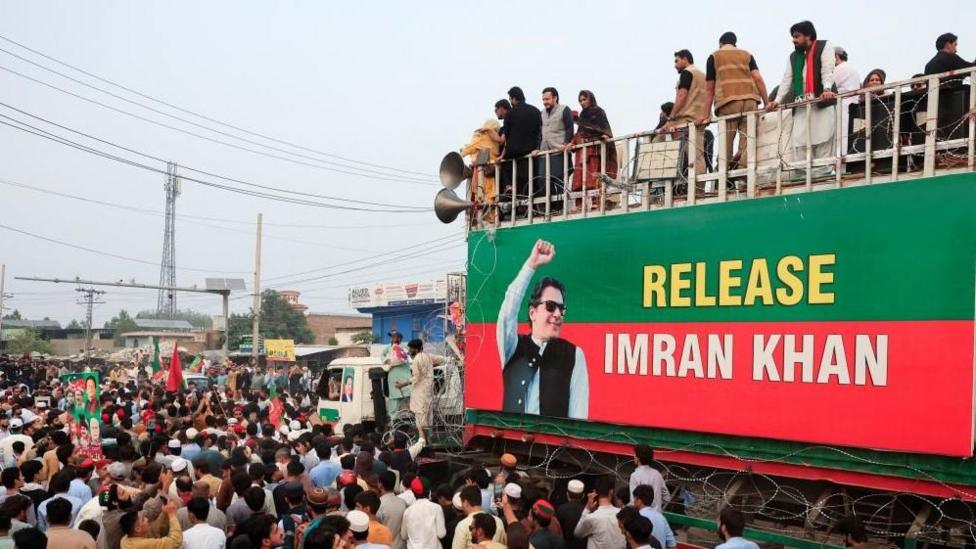
For the last week, thousands of Khan's supporters had marched through Khyber Pakhtunkhwa, where the PTI has been in power for 13 years, demanding Khan's release. The protests were led by Chief Minister Afridi, whose whereabouts remain a mystery. His party says he has been arrested; the government says he is in protective custody.
I would argue that this could actually backfire. You're playing with fire
— Michael Kugelman, senior South Asia fellow at the Atlantic Council
Analysts warn of risks
Analysts questioned the timing of the emergency. Farzana Sheikh of Chatham House said the charitable response would be to call it disingenuous, while journalist Arifa Noor said she did not see the link with terrorism. Michael Kugelman of the Atlantic Council said the PTI rank and file had become increasingly restless amid concerns about Khan's health, and that the move could backfire.
Zahid Hussain, an Islamabad-based author and defence analyst, said the balance of power has completely shifted to the military establishment. He called the move reckless given the country's multiple challenges. Khan has been imprisoned since August 2023 and is convicted in several corruption cases he says are politically motivated.