Popular weight loss drugs linked to a surprising fingernail problem
Popular GLP-1 weight loss drugs, such as Ozempic and Wegovy, have been linked to unexpectedly high rates of nail detachment, hair loss, and scalp inflammation, with some problems occurring several times more frequently among users. Researchers found that weight loss alone could not fully explain the differences, suggesting there may be more to these overlooked symptoms.
Key points
- A study of 575 GLP-1 users and 1,329 nonusers found nail detachment in 39% of users versus 9% of nonusers.
- Two-thirds of GLP-1 users reported at least one nail disorder, and nail discoloration affected 46% of users versus 17% of nonusers.
- Researchers say the findings show an association but do not prove that GLP-1 drugs cause nail, hair or scalp problems.
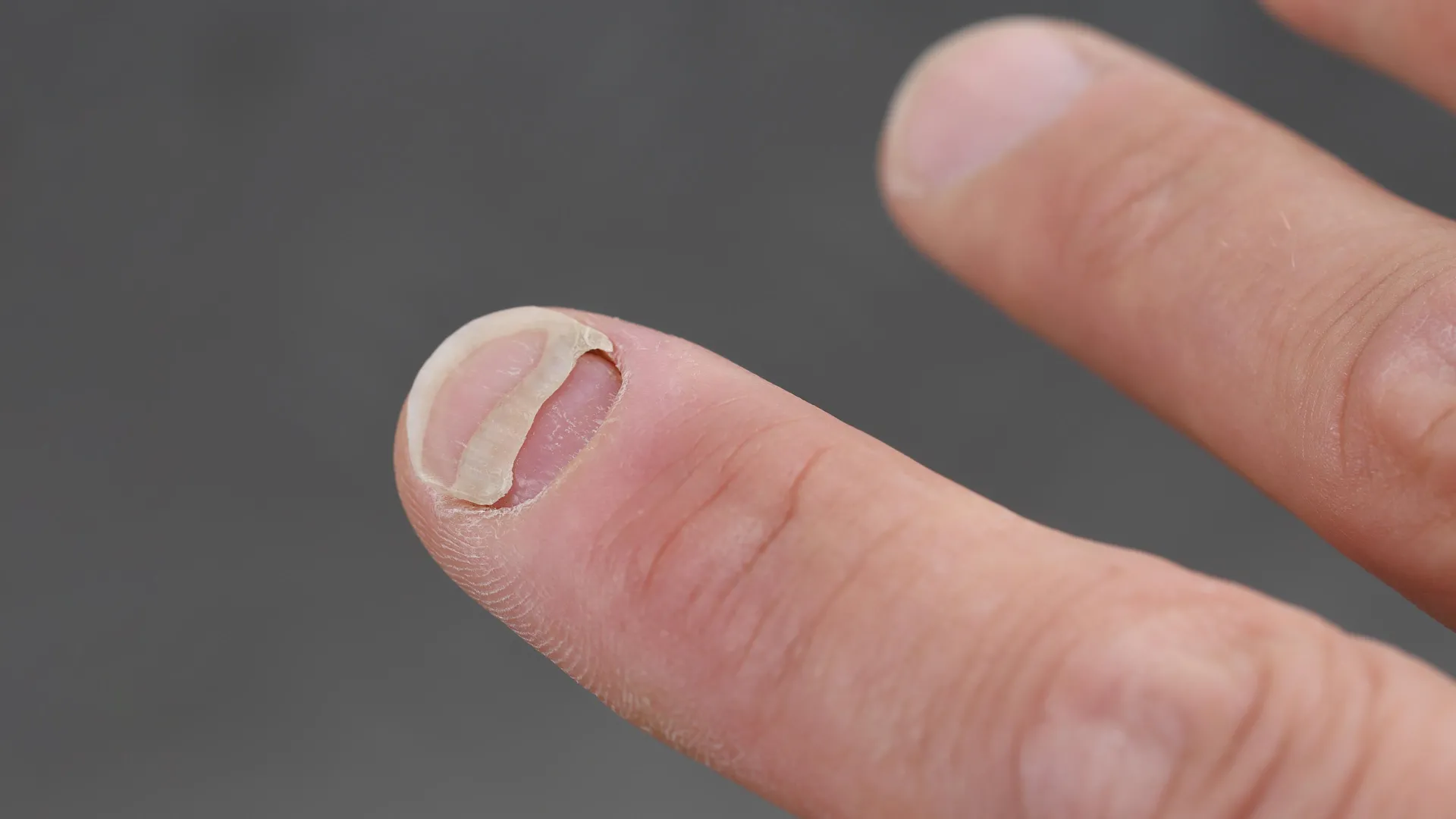
A multinational study has linked popular GLP-1 medications used for weight loss and type 2 diabetes to fingernail problems. The drugs include Ozempic, Wegovy, Mounjaro, Zepbound, Victoza and Trulicity. Researchers found that users were more than four times as likely to report nail detachment, where the nail separates from the skin underneath.
The findings were presented at the European Academy of Dermatology and Venereology Congress 2026. The study compared 575 people taking GLP-1 medications with 1,329 people who had type 2 diabetes and/or obesity but had never used the drugs. Participants were recruited from France, the United States, Brazil and Mexico.
Nail problems reported
Overall, 39% of GLP-1 users experienced nail detachment, compared with 9% of nonusers. Nail discoloration affected 46% of users versus 17% of nonusers. Two-thirds of users, or 66%, reported at least one nail disorder, compared with 53% of the control group.
The researchers found that weight loss did not fully explain the differences. Even when the analysis was limited to participants who had lost weight, GLP-1 users still reported significantly more nail problems. After accounting for existing skin conditions and nutritional deficiencies, nail detachment and discoloration remained about two to three times more common among users.
These changes are frequent, usually benign, and are not a reason to stop an effective treatment on one's own initiative.
— Dr. Charles Taïeb
Hair and scalp findings
A companion study of the same participants found higher rates of hair and scalp problems among GLP-1 users. Half of users reported unusual hair loss, compared with 34% of nonusers. Reduced hair volume or density affected 42% of users versus 19% of the control group.
Hair loss that began after treatment started was reported by 26% of users and 12% of nonusers. Scalp redness was about three times more frequent among users. Most users who reported shedding also had other scalp symptoms such as itching, redness or flaking.
What researchers advise
The researchers stressed that the findings should encourage awareness rather than alarm. They noted that the changes are frequent and usually benign, and said people should not stop an effective treatment on their own. Anyone who notices hair shedding, an itchy or red scalp or nail changes should mention it to their doctor.
The studies were cross-sectional and relied on participant-reported symptoms rather than clinical examinations. They can show patterns and associations but cannot determine whether GLP-1 medications directly caused the reported problems. The team plans prospective studies that follow patients from the start of treatment with standardized skin, hair and nail exams.