Scientists discover signs of a hidden extinction crisis deep beneath the ocean
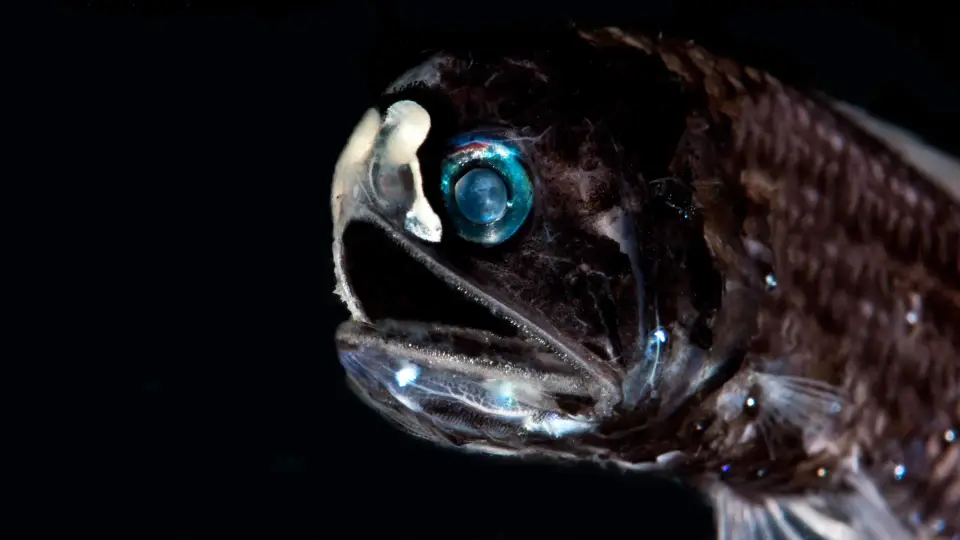
The deep sea has long been considered a safe haven for marine life, but new genetic research suggests a hidden biodiversity crisis may be unfolding far beneath the waves. Scientists analyzing more than a decade of genetic data from five species of deep-sea fish and shrimp in the Gulf discovered troubling signs of extinction risk in every species examined.
Key points
- Researchers found genetic signs of extinction risk in five deep-sea species in the Gulf.
- One lanternfish species lost about 8% of its genetic diversity in 12 years.
- Climate models project habitat losses of up to 70% for four of the five species.
New genetic research led by scientists at Florida International University suggests that marine animals living deep in the Gulf may face a greater extinction risk than previously believed. The deep ocean has largely been treated as a sanctuary for marine life, but the study challenges that assumption.
Drawing on 12 years of genetic data, researchers found signs of extinction risk in five species living hundreds of meters below the surface. The work covered three species of lanternfish and two species of deep-sea shrimp collected between 2011 and 2023, with DNA from 486 specimens examined.
Genetic diversity losses
Every species studied showed genetic traits linked to a higher extinction risk, according to lead researcher Pedro A. Peres of the Bracken-Grissom Lab. One lanternfish, Diaphus dumerilii, lost roughly 8% of its genetic diversity in just 12 years, a decline matching or exceeding losses seen in some threatened animals over much longer periods.
All five species also had relatively small effective population sizes, meaning only a limited share of individuals pass their genetic information to later generations. Co-author Heather Bracken-Grissom said genetic diversity lets populations adapt, resist disease and recover from disturbances.
This challenges the idea that deep-sea species are naturally more resilient because they occupy such vast environments.
— Pedro A. Peres
Projected habitat losses
Climate models used by the team estimate that four of the five species could lose up to 70% of suitable deep-sea habitat by 2050 and 2100. The findings also raise questions about the long-term effects of the 2010 Deepwater Horizon oil spill, though no direct link was established.
Peres said the results suggest some deep-sea populations may have been genetically vulnerable before the spill. The authors call for genetic monitoring to be included in biodiversity assessments.