
Scientists discover vanilla’s hidden healing potential
Scientists have discovered that vanillin, the compound that gives vanilla its distinctive flavor, has powerful properties that could help fight infections, reduce inflammation, and promote wound healing. The inexpensive, widely available ingredient could one day become an important component of advanced wound treatments and regenerative medicine.
Key points
- Scientists at Flinders University have identified antioxidant, anti-inflammatory and antibacterial properties in vanillin, the compound behind vanilla's flavor and aroma.
- The researchers suggest vanillin-based formulations could aid chronic wounds and ulcers, which are hard to treat due to inflammation, bacteria and oxidative stress.
- Vanillin-based wound treatments would still need further development and clinical testing before their effectiveness and safety in patients could be established.
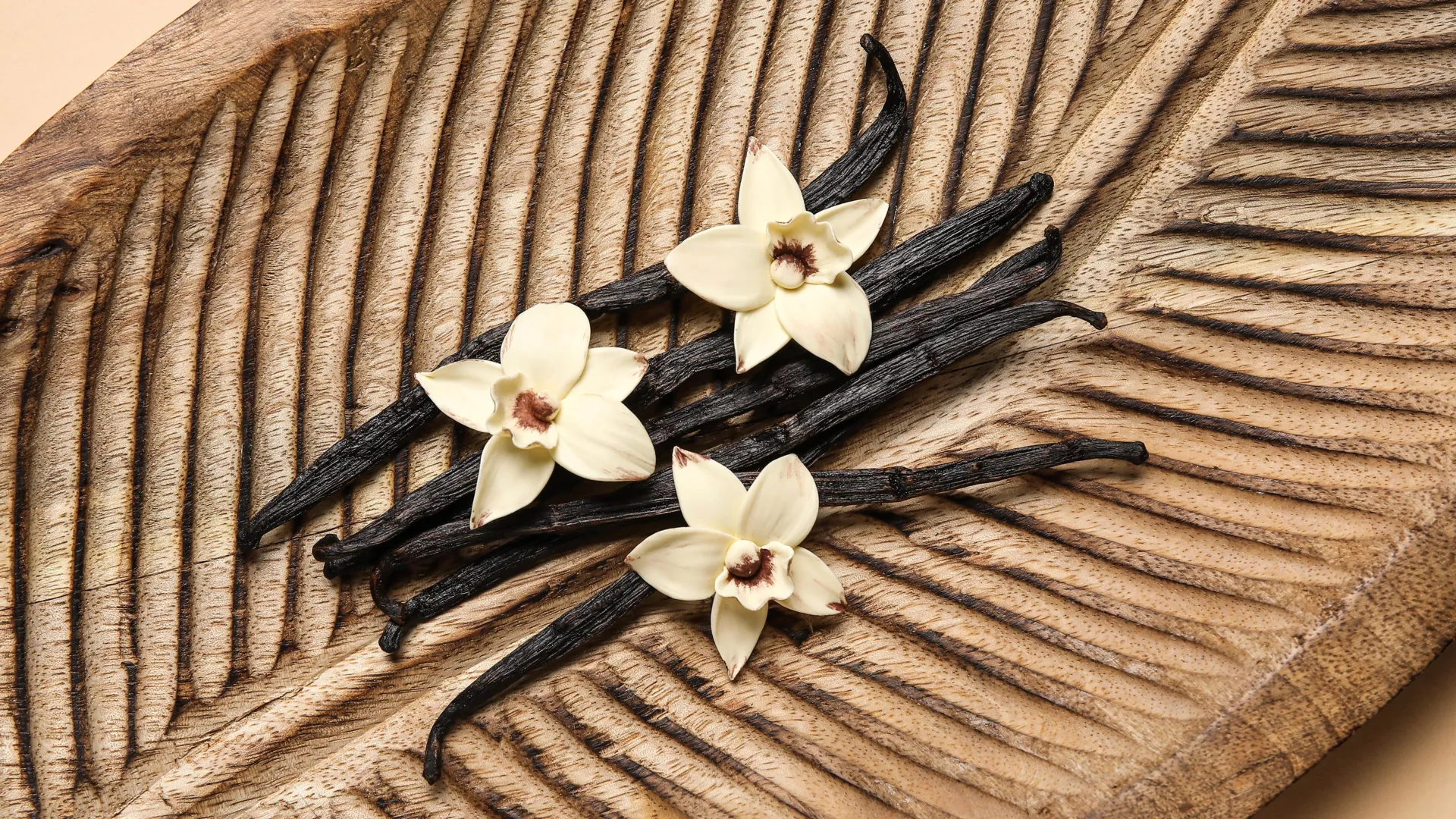
Scientists at Flinders University have identified properties in vanillin, the compound responsible for vanilla's sweet flavor and aroma, that could make it a promising ingredient in treatments for chronic wounds, infections and damaged tissue. The university's Biomedical Nanoengineering Laboratory found that vanillin has notable antioxidant, anti-inflammatory and antibacterial properties.
Vanillin is the main flavor and fragrance compound in natural vanilla pods and can also be made synthetically from materials such as clove oil or rice. The researchers examined it through a framework linking familiar food ingredients with practical medical applications.
Potential use in chronic wounds
The work points to chronic wounds and ulcers, which the article says can be difficult to treat because of persistent inflammation, bacterial contamination and damage from oxidative stress. Oxidative stress occurs when harmful reactive molecules overwhelm the body's protective defenses, potentially damaging cells and interfering with tissue repair.
The researchers say vanillin can act as a dynamic crosslinker, helping connect components within a material, which could support specialized medical formulations such as drug-carrying materials and tissue-repair support. Its amphiphilic molecular structure lets it interact with reactive oxygen species, cellular membranes and polymeric matrices, according to the article.
Vanillin is among the most widely used flavor compounds in the global food system, valued for its sensory attributes, chemical stability and long history of safety - and that can be transferred to other areas, such as medical uses
— Professor Krasimir Vasilev
Cost and availability
The article states that vanillin is inexpensive and readily available, since synthetic vanillin can be produced in large quantities. The researchers believe this could make it easier to incorporate into commercially manufactured medical products than some more expensive or hard-to-source compounds.
The team envisions vanillin eventually becoming an ingredient in advanced wound dressings, ulcer treatments, targeted drug delivery systems and therapies to support tissue regeneration. The study, by Borislav Stoilov, Vi Khanh Truong, Christopher Delaney and Krasimir Vasilev, was published in the International Journal of Pharmaceutics.


