
Scientists discover why a 100-year-old mushroom disease won't go away
Scientists have uncovered a surprising secret behind a mushroom disease that has frustrated growers for more than a century: It involves more than 17 species of harmful bacteria, not just one. The discovery could explain why treatments have struggled to stop the disease and open the door to more effective, eco-friendly solutions.
Key points
- University of Florida researchers found bacterial blotch involves more than 17 pathogenic bacterial species, not a single pathogen.
- The disease causes brown or yellow discoloration, lowers yields and shelf life, and costs white button mushroom growers financially.
- A follow-up study will test essential oils and beneficial microbes as sustainable treatments.
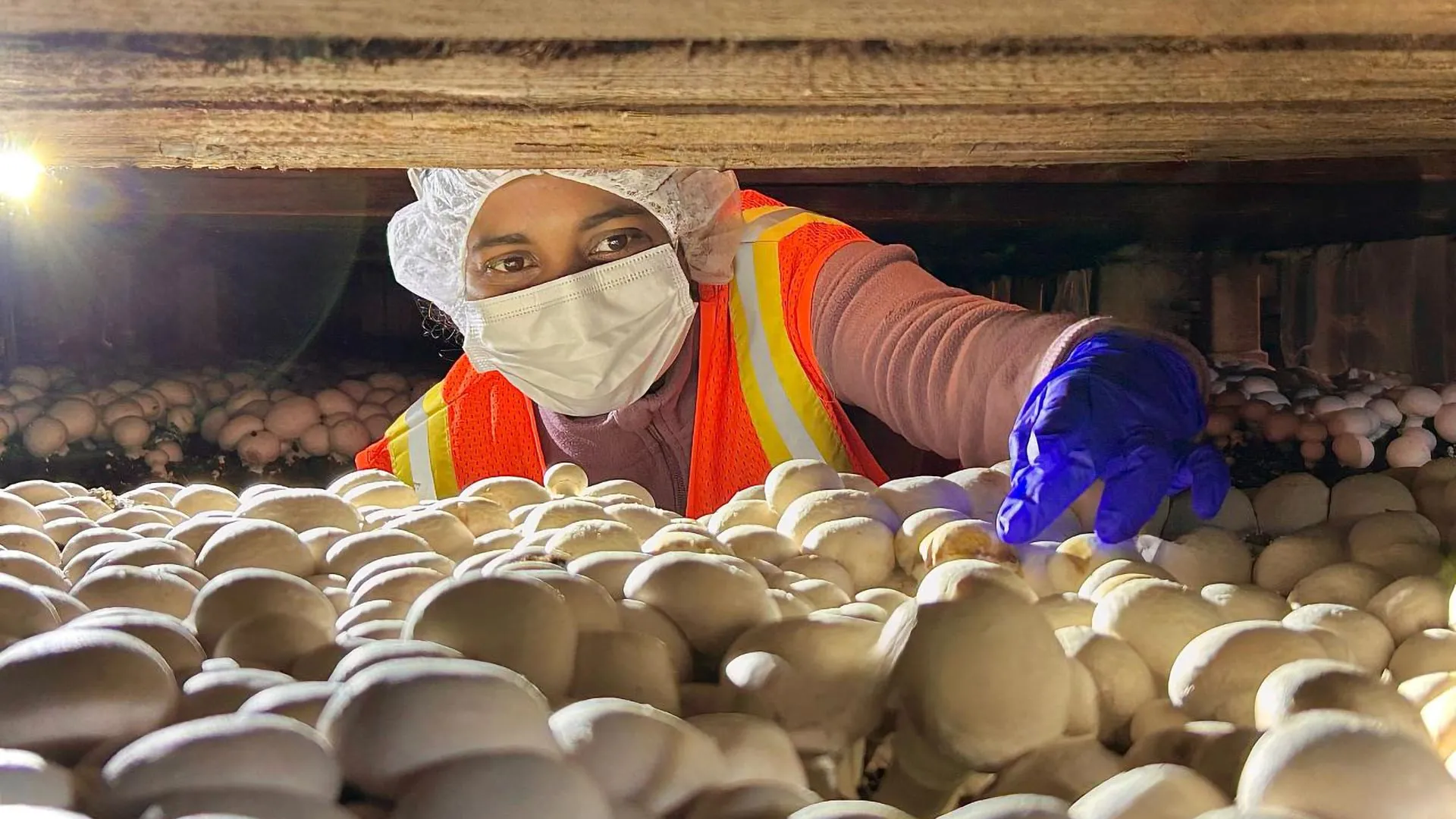
University of Florida researchers have discovered that bacterial blotch, a disease affecting white button mushroom growers for more than 100 years, is caused by a far more diverse group of harmful bacteria than previously believed. The study found more than 17 species of pathogenic bacteria associated with the disease, rather than a single pathogen.
Bacterial blotch causes brown or yellow discoloration on mushrooms, reducing their commercial value and causing significant financial losses for growers. Symptoms can appear only after mushrooms reach grocery stores or consumers, making the disease especially difficult to manage.
What the researchers found
The team collected affected mushrooms from production facilities across the southern United States and used DNA sequencing, chemical profiling and conventional lab tests to identify the bacteria. They found that while two well-known pathogens dominated the disease profile, another group of bacteria not previously linked to the disease was also present at high levels.
Sameerika Mudiyanselage, the study's lead author and a doctoral student at UF/IFAS, said, "We found more than 17 different species of pathogenic bacteria associated with the disease." The complexity may explain why bacterial blotch has persisted despite efforts to control it.
We found more than 17 different species of pathogenic bacteria associated with the disease.
— Sameerika Mudiyanselage
Toward sustainable solutions
The researchers are now conducting a follow-up study on more sustainable management methods. They are testing plant-based essential oils, beneficial microorganisms and other biological products as alternatives to conventional chemical treatments.
Samuel Martins, co-author and assistant professor at UF/IFAS, said the team's goal is to provide growers with "practical, science-based solutions." He noted that understanding the disease's complexity can lead to better eco-friendly practices that reduce losses and improve sustainability.


