Scientists discover why some people still can’t taste food after COVID-19
Scientists have uncovered a possible explanation for why some people struggle to taste food more than a year after recovering from COVID-19. By examining taste buds from patients with lingering symptoms, researchers discovered molecular abnormalities that weaken the signals responsible for detecting sweet, bitter, and savory flavors.
Key points
- Researchers found reduced mRNA for the protein PLCβ2 in taste bud tissue from people with long-lasting COVID-19 taste problems.
- Eight of 28 participants had clearly abnormal taste scores, with sweet, bitter and umami most affected.
- Some participants also showed structural disorganization in their taste bud cells.
Scientists have found biological changes inside taste buds that may explain why some people still have trouble tasting food more than a year after recovering from COVID-19. The study, published in Chemical Senses, links persistent taste problems to disrupted molecular signals and physical abnormalities in taste bud structure.
Researchers from the University of Colorado Anschutz and two Swedish universities examined 28 people who had taste disturbances for over a year after infection. None had been hospitalized for COVID-19.
What the testing showed
Eight of the 28 participants had clearly abnormal taste scores. Eleven reported difficulty detecting specific flavors, particularly sweet, bitter and umami, while their ability to detect salty and sour flavors was largely unaffected.
Tissue samples from 20 participants showed reduced amounts of messenger RNA involved in producing a protein called PLCβ2, which amplifies taste signals to the brain. Cells that detect salty and sour tastes use different signaling mechanisms that do not depend on PLCβ2.
PLCβ2 acts like a molecular amplifier inside taste cells
— Thomas Finger
Structural changes in taste buds
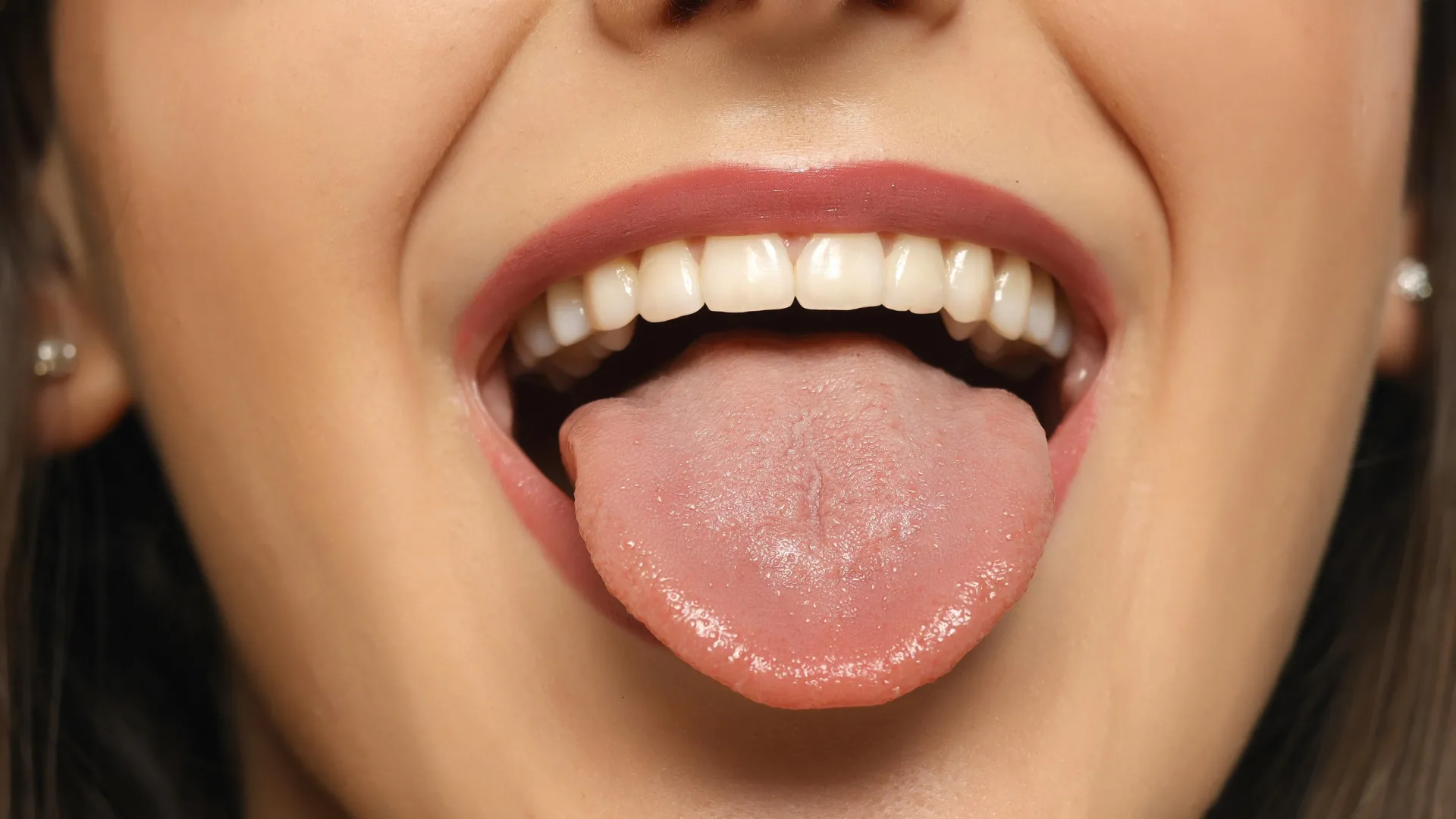
Under the microscope, some participants had changes in the physical arrangement of their taste cells. Thomas Finger, the study's corresponding author, said some subjects had normal-looking taste buds while others showed structural disorganization.
Taste bud cells are normally renewed every two to four weeks, but the researchers found signs that the molecular processes needed for normal taste signaling may stay disrupted for much longer in some people. The authors said questions remain about whether these abnormalities can return to normal and whether treatments could help.