Scientists find hidden driver of aging and a simple amino acid that fights memory loss in mice
Scientists discovered that declining levels of a protein called Menin may help drive aging, and restoring it in older mice reversed several age-related changes in just 30 days. Even more surprisingly, supplementing with a simple amino acid called D-serine improved memory and learning, offering a potential new approach to age-related cognitive decline.
Key points
- Restoring the Menin protein in older mice improved memory, balance, bone mass and skin thickness within 30 days.
- D-serine supplementation improved learning and memory in older mice after three weeks but did not restore bone or skin.
- Researchers say human evidence for D-serine remains limited and it should be considered experimental.
Scientists led by Lige Leng of Xiamen University in China found that levels of a protein called Menin decline in certain hypothalamic neurons as mice age. When the team restored Menin in 20-month-old mice, the animals showed thicker skin, greater bone mass and better learning, memory and balance within 30 days. The findings were originally published in March 2023 in PLOS Biology.
The researchers also linked Menin loss to lower levels of D-serine, an amino acid involved in brain signaling. Giving older mice D-serine in their drinking water for three weeks improved learning and memory, but did not restore age-related losses in bone mass or skin thickness.
How the discovery was made
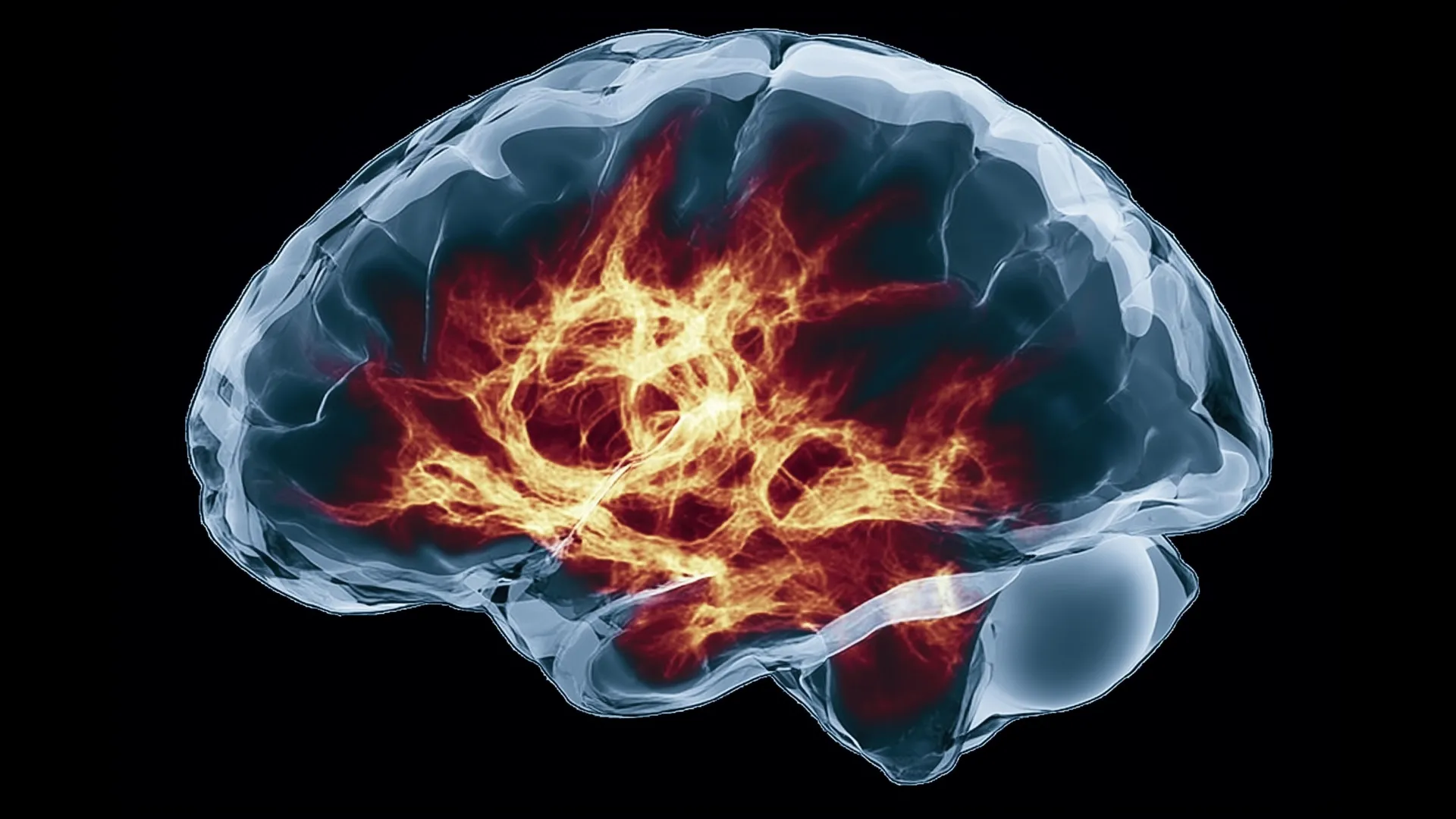
The hypothalamus, a small region near the base of the brain, helps regulate body temperature, hunger, metabolism, sleep and hormone production. Earlier work by Leng and colleagues identified Menin as a protein that restrains inflammation there and regulates gene activity.
Mice with reduced Menin activity developed greater hypothalamic inflammation, thinner skin, reduced bone mass and worsening cognition, and their lifespans were modestly shortened. Restoring Menin in the ventromedial hypothalamus reversed several of these changes, and treated mice lived longer than untreated controls in a separate survival analysis.
We speculate that the decline of Menin expression in the hypothalamus with age may be one of the driving factors of aging, and Menin may be the key protein connecting the genetic, inflammatory, and metabolic factors of aging. D-serine is a potentially promising therapeutic for cognitive decline.
— Lige Leng
What later research shows
Subsequent studies have added evidence that the hypothalamus helps coordinate aging across the body. A 2024 study in Cell Metabolism identified different hypothalamic neurons that communicate with fat tissue and extended lifespan in mice when stimulated.
A January 2025 analysis in Nature of about 1.2 million mouse brain cells found that cells most sensitive to aging were concentrated around the third ventricle in the hypothalamus. Other 2026 studies in Cell and Cell Metabolism linked hypothalamic rhythms and a protein called Mimecan to aging measures and lifespan in mice.
Uncertainty for human use
Evidence that D-serine can reverse age-related cognitive decline in humans remains limited. A 2016 randomized trial in 50 healthy older adults found better performance on one spatial learning and problem-solving assessment, but no significant improvements on other cognitive tests or mood measures.
An April 2025 study in Cellular and Molecular Life Sciences found that in mice engineered to develop Alzheimer's-like features, an early increase in D-serine accompanied disrupted brain signaling. High doses of D-serine have raised kidney safety concerns in animal experiments, and researchers have not established whether long-term supplementation is safe or effective for preventing memory loss in healthy people.