Scientists may have finally solved the mystery of the Moon’s two faces
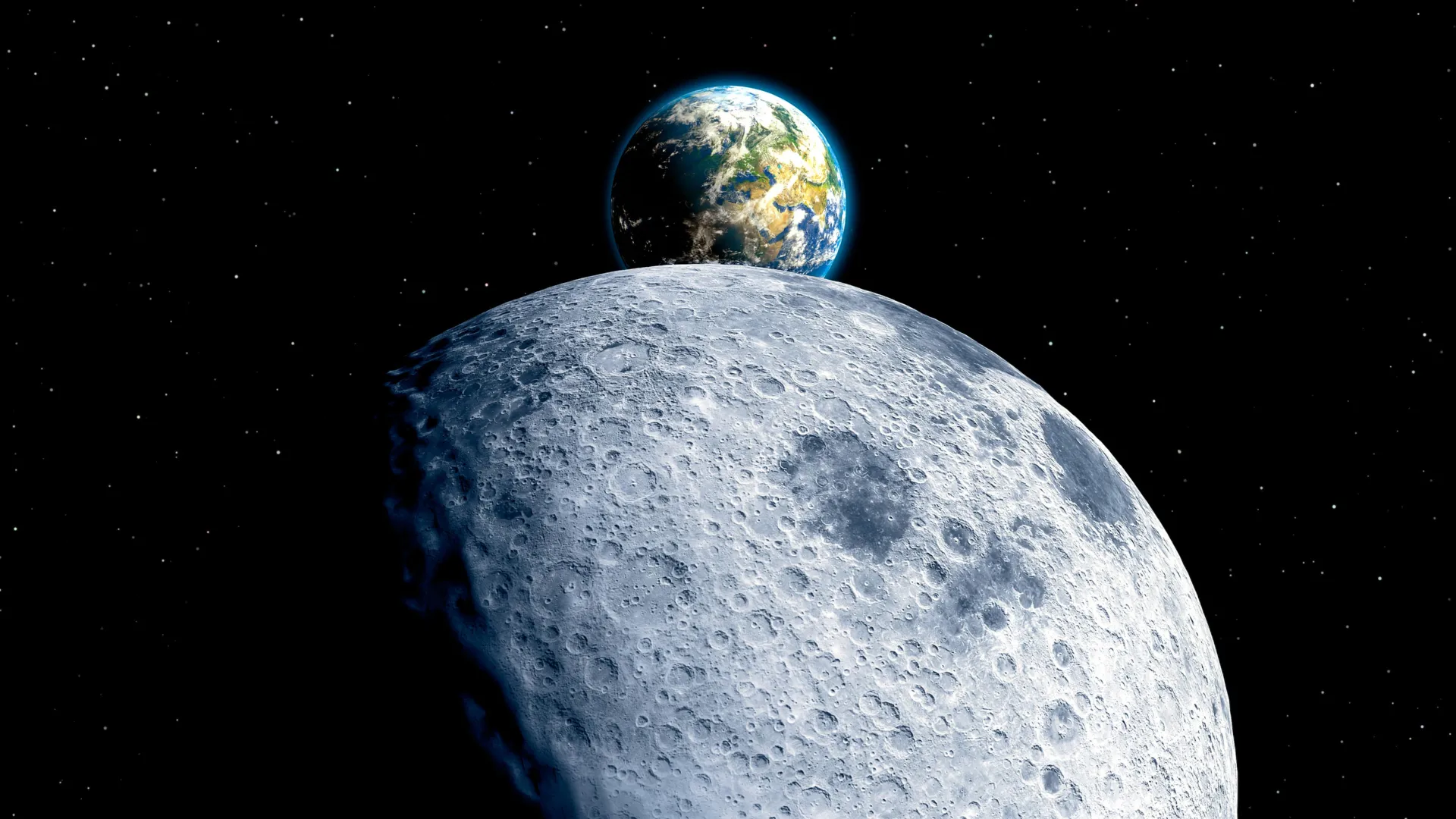
Scientists may have solved a long-standing mystery about why the Moon’s two sides are so different, using samples collected from its farside for the first time. Their findings suggest that uneven heating from Earth's gravitational pull drove enormous flows of ancient magma, creating the dramatically different lunar landscapes we see today.
Key points
- Scientists compared Chang'e-6 far-side rocks with Apollo and Chang'e-5 near-side samples.
- The lunar mantle appears chemically similar on both sides, but the crust differs.
- A model suggests tidal heating drove magma flow that thickened the far-side crust.
A research team led by Professor Hejiu Hui of Nanjing University has found new evidence that may explain why the Moon's near side and far side look so different. The team analyzed lunar rocks collected by China's Chang'e-6 mission, the first mission to return samples from the Moon's far side in 2024, and compared them with material from the Apollo and Chang'e-5 missions.
The near side has dark volcanic plains and high levels of potassium, rare earth elements and phosphorus, while the far side is dominated by cratered highlands with a thicker crust and few volcanic plains. Scientists have debated the cause of this uneven structure for decades.
Similar mantle, different crust
The analysis found that basalts from Chang'e-6 came from depleted mantle material, much like low-Ti basalts returned by Apollo astronauts. Mg-suite rocks from both missions also had similar magnesium number values, suggesting the mantle cumulates beneath both hemispheres are broadly similar in composition.
The crust showed clearer differences. Anorthosite samples from Chang'e-6 had higher peak magnesium number values than Apollo samples, indicating more magnesium-rich material on the far side. Chang'e-6 Mg-suite rocks also had extremely low rare earth element concentrations and lower thorium-to-samarium ratios than their Apollo counterparts.
A possible explanation
The researchers propose that the Moon's magma ocean first cooled and crystallized fairly uniformly, before the Moon became tidally locked to Earth. Once it was locked, tidal forces from a much closer Earth generated more heat on the near side, creating a temperature difference that drove large-scale circulation of molten rock.
In this scenario, hot magma carried magnesium-rich anorthosite material toward the far side, building a thicker, more magnesium-rich crust there, while KREEP and ilmenite-bearing cumulates concentrated on the near side. The model links the newly analyzed Chang'e-6 samples to the Moon's early thermal history.