Scientists reveal why some workout recovery tricks can backfire
Ice baths, massages, compression garments, and recovery supplements promise faster muscle recovery, but research suggests their benefits are often overstated, and some techniques may even undermine long-term gains. Scientists say the most effective recovery methods are far simpler and cheaper: getting enough sleep, eating well, and giving muscles time to rebuild.
Key points
- Ice baths can reduce soreness but may limit long-term muscle gains from training.
- Compression garments improve blood flow but evidence for better muscle recovery is weak.
- Massage and some supplements offer modest benefits, but basics remain the strongest recovery evidence.
Scientists have examined popular workout recovery techniques and found that some may backfire by reducing the long-term benefits of training. The review, written by Max Davis at the University of Bath, looked at ice baths, compression garments, massage and supplements such as whey protein, BCAAs, tart cherry juice and omega-3.
The article notes that social media and professional sport have popularized these methods among recreational gym-goers, but the science behind them is often more nuanced than the marketing suggests.
Ice baths and compression
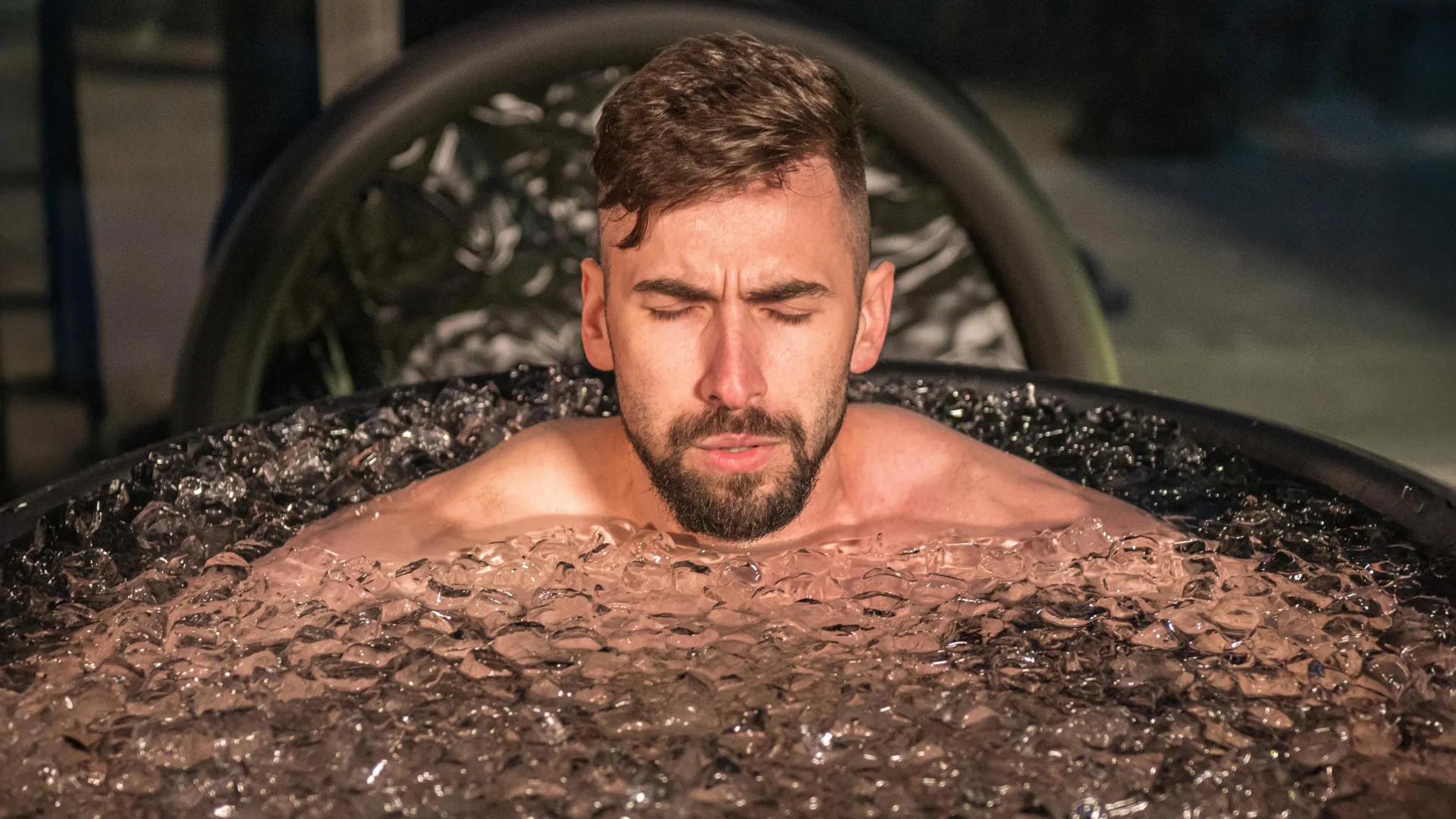
Ice baths, which involve water below 15°C, can ease inflammation and reduce soreness within 24 hours. However, inflammation also triggers muscle-building adaptations, so regular ice baths may limit long-term training gains. The article advises using them only when rapid recovery is vital.
Compression garments apply pressure to support circulation and reduce swelling. A 2022 study found they improved blood flow, but evidence that they meaningfully restore muscle function is less convincing. They may mainly help because they make users feel better recovered.
recovery cannot be bottled and sold
— Max Davis
Massage and supplements
Massage has relatively consistent scientific support for reducing soreness and improving perceived recovery, though objective measures of performance are modest and inconsistent. Whey protein has small-to-moderate benefits for muscle recovery, but evidence for soreness relief is inconsistent.
BCAAs appear less effective than complete proteins because muscle repair requires all essential amino acids. Tart cherry juice may have small-to-moderate effects on soreness and strength, while omega-3 results are far from consistent. The article notes that whole foods are better than expensive supplements.