Scientists may have overlooked a hidden Alzheimer's culprit for decades
For decades, scientists have focused on amyloid beta as a major culprit behind Alzheimer’s disease, spending billions of dollars developing treatments that have often delivered disappointing results. Now, researchers at UC Santa Cruz are drawing attention to a largely overlooked peptide called P3 that could also play a role in the disease. Previously believed to be harmless, P3 can form harmful-looking protein…
Key points
- A UC Santa Cruz biochemist says the P3 peptide may contribute to Alzheimer's disease.
- P3 can form amyloid deposits and fibrils, and may be neurotoxic, according to research.
- Some papers misrepresented the team's findings as showing P3 was harmless.
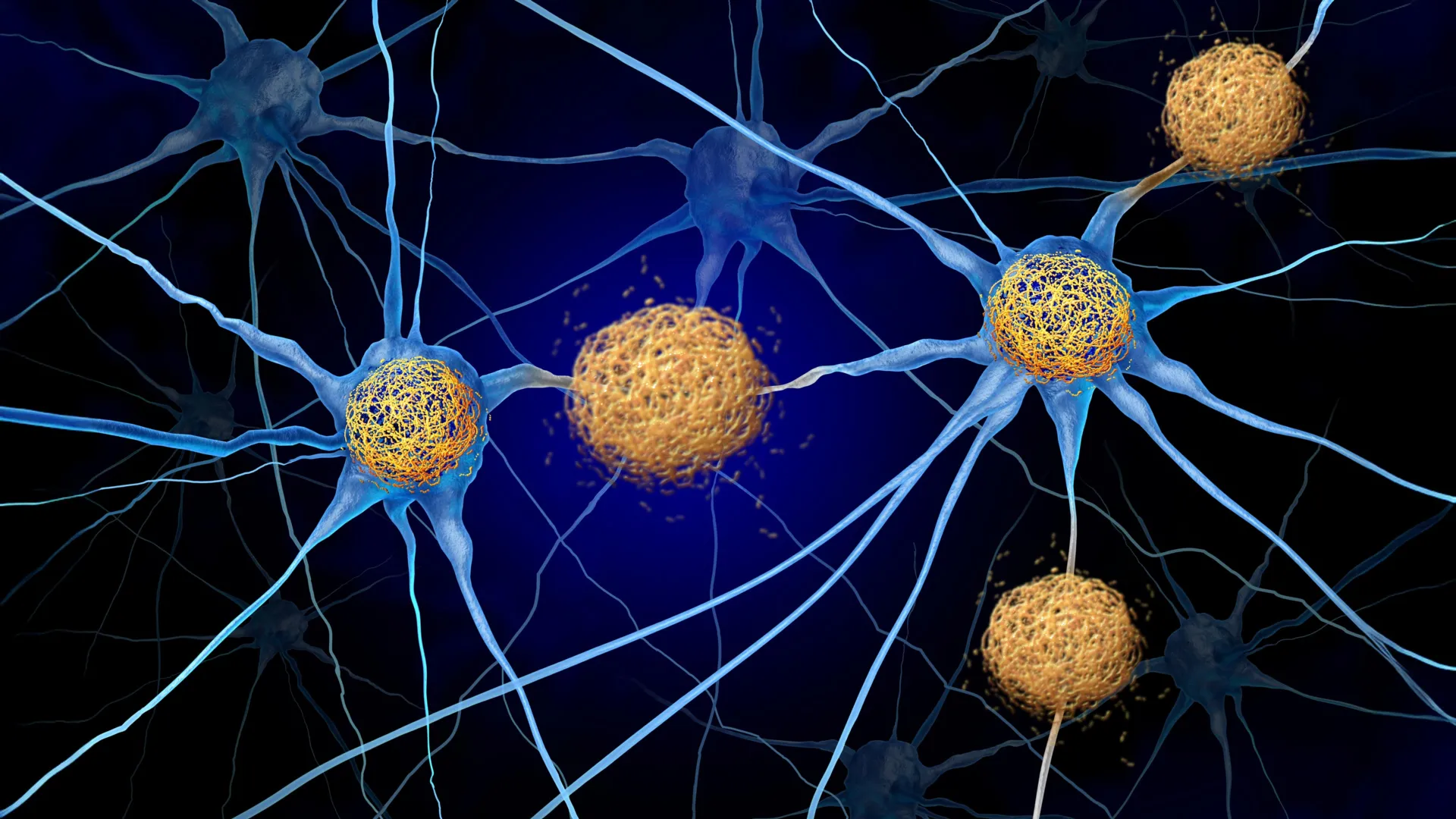
A biochemist at the University of California, Santa Cruz, argues that scientists may have overlooked a smaller, related peptide called P3 as a potential contributor to Alzheimer's disease. In a commentary published in ChemBioChem, professor Jevgenij Raskatov points to research showing P3 can form microscopic clumps and threadlike fibrils, and may interact with amyloid beta.
The findings challenge the long-held view that P3 is harmless and irrelevant to Alzheimer's, a disease affecting about 35 million people worldwide with annual costs exceeding $800 billion.
What the research found
Over five years, Raskatov's lab published three major studies showing P3 can form amyloid deposits at least as readily as amyloid beta, and more rapidly. The researchers also found evidence that P3 itself may be harmful to neurons, though its toxicity appears lower than amyloid beta's.
An independent group in the United Kingdom confirmed and expanded on the findings. Other labs are now investigating how P3 and amyloid beta interact, including whether their relationship affects accumulation and toxicity.
The P3 peptide is, most likely, not the innocent bystander it was commonly thought to be.
— Jevgenij Raskatov
Concerns about misread findings
Raskatov identified at least four peer-reviewed papers that cited his lab's research as evidence P3 was harmless and unable to form amyloid deposits, the opposite of what the experiments showed. He said it remains unclear how the confusion arose.
David Teplow, an emeritus professor of neurology at UCLA, said the reevaluation has far-reaching consequences for basic science and clinical research into Alzheimer's causes and treatment.