Scientists tested 5 natural compounds on cancer cells. One stood out
Five natural compounds, including curcumin and berberine, were tested for their effects on cancer cells and healthy muscle cells. All disrupted cancer cell energy production and pushed many of the cells into a non-dividing state, with curcumin producing the strongest overall effect. Curcumin also showed a relatively favorable safety profile, while some other compounds caused more toxicity.
Key points
- Curcumin showed the strongest anticancer effect and the most balanced safety profile among five natural compounds tested.
- All five compounds pushed fibrosarcoma cells into senescence, with curcumin raising the share above 75%.
- The compounds cut ATP levels far more in cancer cells than in healthy muscle cells.
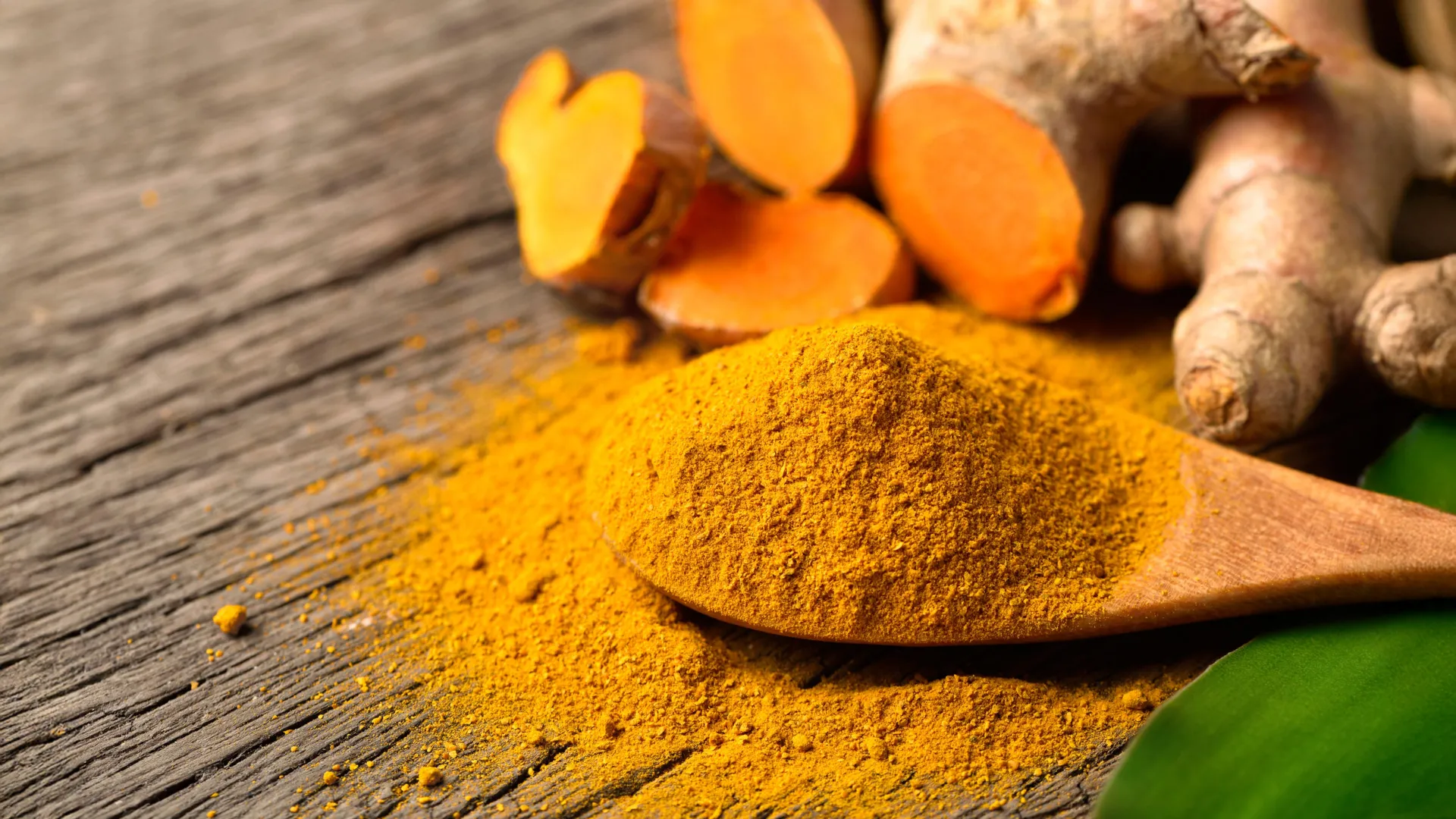
Researchers at Wroclaw Medical University and the University of Wroclaw compared five plant-derived compounds against fibrosarcoma cells and healthy muscle cells. The compounds were curcumin, berberine, biochanin A, cucurbitacin E, and CAPE, a component of propolis.
The study focused on the NF-kB signaling pathway, which regulates inflammation, metabolism, cell survival, and cellular aging. The researchers also examined how the compounds affected mitochondrial function and energy production.
Effects on cancer cells
All five compounds triggered signs of cellular senescence in fibrosarcoma cells, meaning the cells stayed alive but permanently lost the ability to divide. Curcumin produced the strongest effect, raising the share of senescent cancer cells from about 16.5% to more than 75%. The other compounds each pushed the percentage above 66%.
ATP levels in fibrosarcoma cells fell by roughly 83-92%, while healthy muscle cells saw decreases of about 23-73%. Berberine, cucurbitacin E and CAPE enhanced PINK1/PARKIN-dependent mitophagy in the cancer cells.
Among the compounds tested, curcumin demonstrated the most balanced profile
— Prof. Julita Kulbacka
Safety and next steps
Cell viability tests showed curcumin and CAPE were the most selective against fibrosarcoma cells. Curcumin stood out for combining strong anticancer activity with a comparatively favorable safety profile, and berberine was also well tolerated. In greater wax moth larvae, curcumin and berberine were best tolerated, while biochanin A was the most toxic.
The researchers note the findings come from laboratory experiments and preliminary tests in wax moth larvae. They say the next step is to evaluate the compounds in more advanced in vivo models and to better understand their mechanisms, dosing and delivery methods.